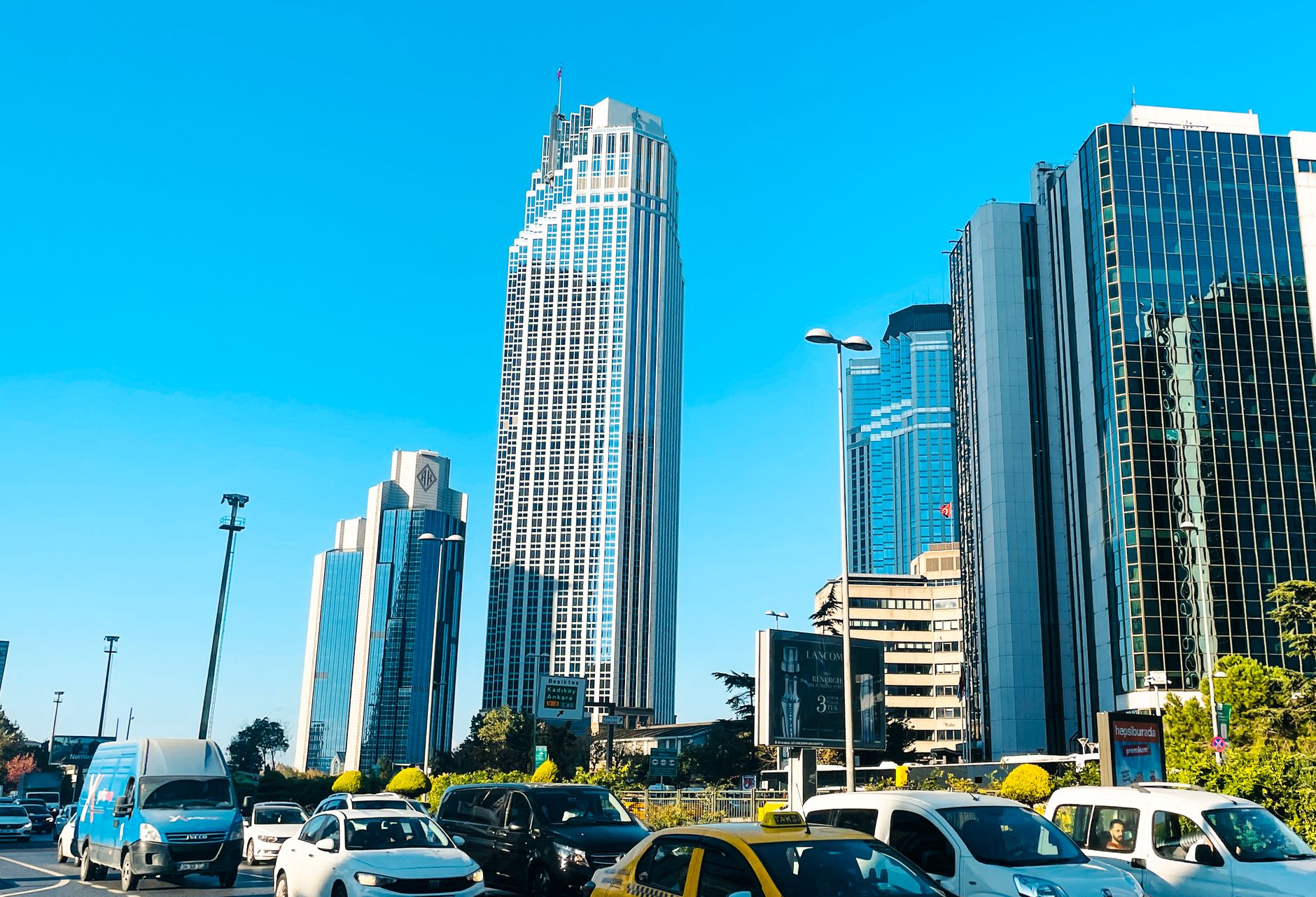
Istanbul's startup ecosystem is at an inflection point. The past two years saw explosive growth in innovation hubs clustered around Levent, Beşiktaş, and Kadıköy's waterfront districts, but market fundamentals are shifting in ways that demand immediate attention from entrepreneurs and investors alike.
Real estate pressures are the most visible strain. Office space in Levent's prime tech corridors now commands 800-1,000 Turkish Lira per square metre monthly—a 35 percent increase since early 2024. Co-working operators who packed startup hubs into converted warehouses along the Galata Bridge and around Microsoft's Reactor space in Beyoğlu are facing higher landlord demands and thinner margins. Several early-stage accelerators have quietly downsized their physical footprints, pivoting to hybrid models to preserve capital.
Yet the narrative isn't simply contraction. Funding patterns reveal where opportunity actually lies. Institutional investors scanning Turkey's landscape increasingly favour deeptech and enterprise software over consumer-facing applications—a marked departure from the "growth at all costs" mentality that dominated 2023-2024. Founders building B2B solutions for manufacturing, logistics, and financial services report stronger term-sheet interest than their consumer app peers.
Istanbul Chamber of Commerce data indicates that 312 startups registered in the metropolitan area during the first half of 2026, down from 487 in the equivalent period last year. But the quality metric tells a different story: average seed funding sizes have climbed, suggesting investors are concentrating capital on fewer, more mature candidates rather than spray-and-pray seeding.
The talent landscape reflects these adjustments too. Mid-level engineering salaries in Istanbul's tech sector have stabilized around $45,000-$65,000 annually—a relief to founders reeling from 2024's wage inflation spiral. Recruitment agencies report that skilled developers are remaining in-market rather than relocating to Europe, partly due to rising Western European housing costs.
What's crucial for founders navigating this moment: operational discipline matters more than ever. Venture capital scarcity is forcing authentic unit economics conversations earlier in the lifecycle. The bootstrap-and-pivot playbook that worked in 2022-2023 no longer flies with sophisticated investors. Teams need demonstrable traction, clear differentiation, and paths to profitability—not just compelling pitch decks.
Istanbul's position as a transcontinental hub connecting MENA, Central Asia, and Europe remains a durable advantage. But that advantage only translates to capital and growth if founders acknowledge that the free-spending phase has ended. The next cycle belongs to disciplined builders with proven market insight.
This article was compiled by AI from the sources linked above and screened before publishing. See our editorial standards.