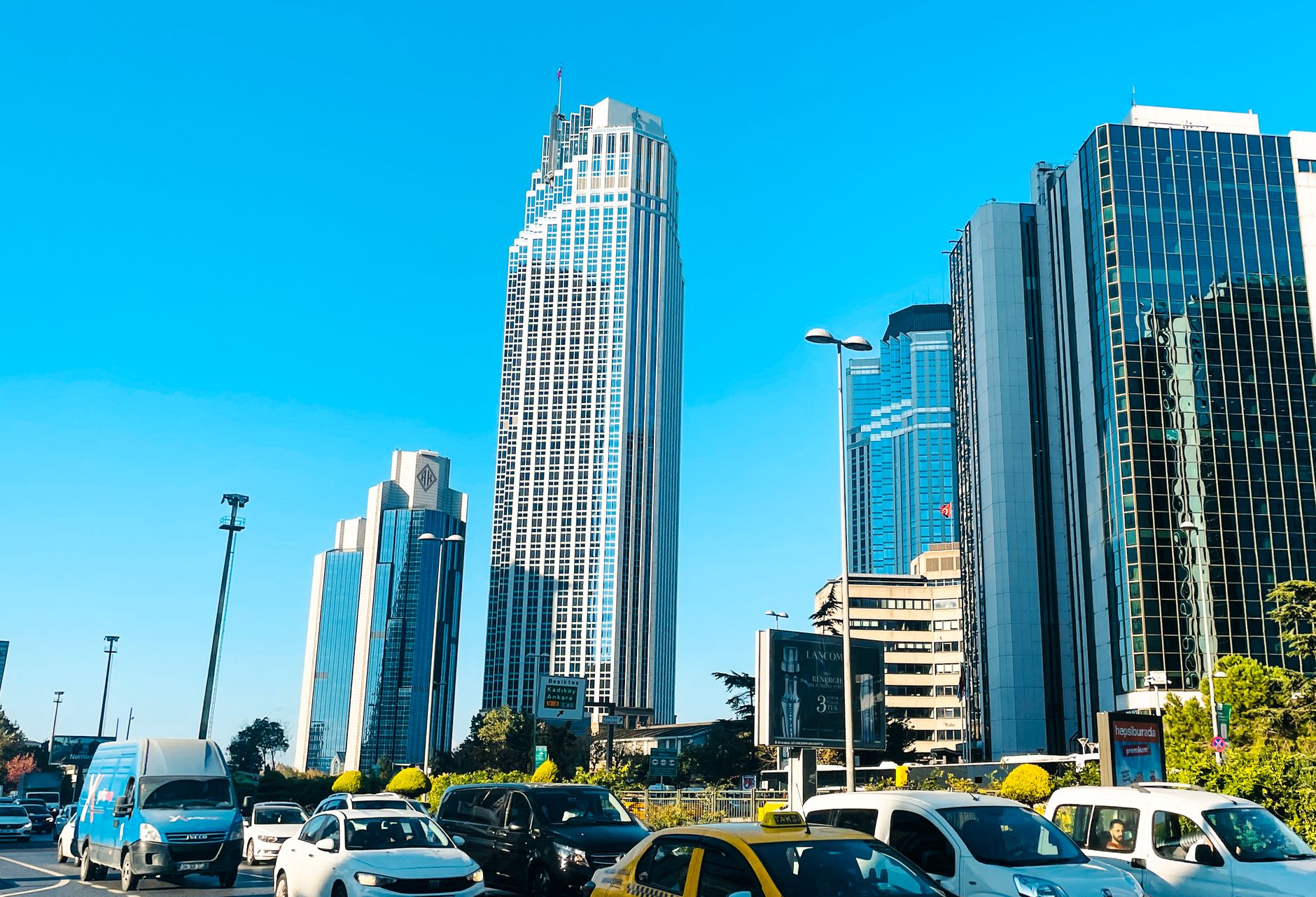
Istanbul's employment landscape, long buoyed by the city's position as a bridge between Europe and Asia, is confronting a convergence of structural challenges that are reshaping hiring practices and wage expectations across the metropolitan area.
The pressures are most acute in Levent and Maslak, the financial districts that anchor Turkey's banking and corporate services sector. Human resources professionals report that operational costs have surged 28% since early 2025, driven by inflation in office leasing, utilities and administrative overhead. A three-bedroom apartment in Besiktas now averages 85,000 lira monthly—a 19% jump year-on-year—making talent retention increasingly difficult as companies struggle to offer competitive compensation packages.
"We're seeing a bifurcation in the market," explains one recruitment consultant specialising in the financial services sector. "Multinational firms can absorb costs; mid-market Turkish companies cannot." Several mid-sized consulting firms have either relocated operations to secondary cities or reduced headcount, particularly among junior and mid-level positions.
The tourism and hospitality sector around the Grand Bazaar and Sultanahmet district faces distinct pressures. While visitor numbers remain robust, the mix of tourism has shifted towards budget-conscious travellers, compressing margins at hotels and restaurants. Employment agencies report that boutique hotels in Galata have cut staff by 12-15% since January, shifting towards seasonal hiring models rather than permanent positions. Wage growth in this sector has stalled entirely.
Technology startups, traditionally concentrated in areas like Beyoglu and around Teknopark Istanbul, are adopting a more cautious stance. Venture funding for Turkish startups declined 34% in the first half of 2026 compared to the same period last year, triggering hiring freezes and, in some cases, redundancies. Several promising startups have deferred expansion plans.
Currency volatility compounds these challenges. The lira's fluctuations create budgeting uncertainty for employers paying suppliers in foreign currency while managing local salary obligations. This unpredictability has made long-term hiring commitments riskier.
Yet the picture is not uniformly bleak. Energy sector employment in Pendik and industrial manufacturing zones continue hiring. Logistics and supply chain roles remain in demand. Professional services firms report steady recruitment in compliance and regulatory roles, reflecting increased scrutiny from both Turkish authorities and international clients.
Still, for jobseekers across Istanbul's broader employment market, 2026 represents a year of consolidation rather than expansion—one requiring heightened competition for roles and more pragmatic salary expectations than the optimistic hiring climate of 2024 and early 2025.
This article was compiled by AI from the sources linked above and screened before publishing. See our editorial standards.