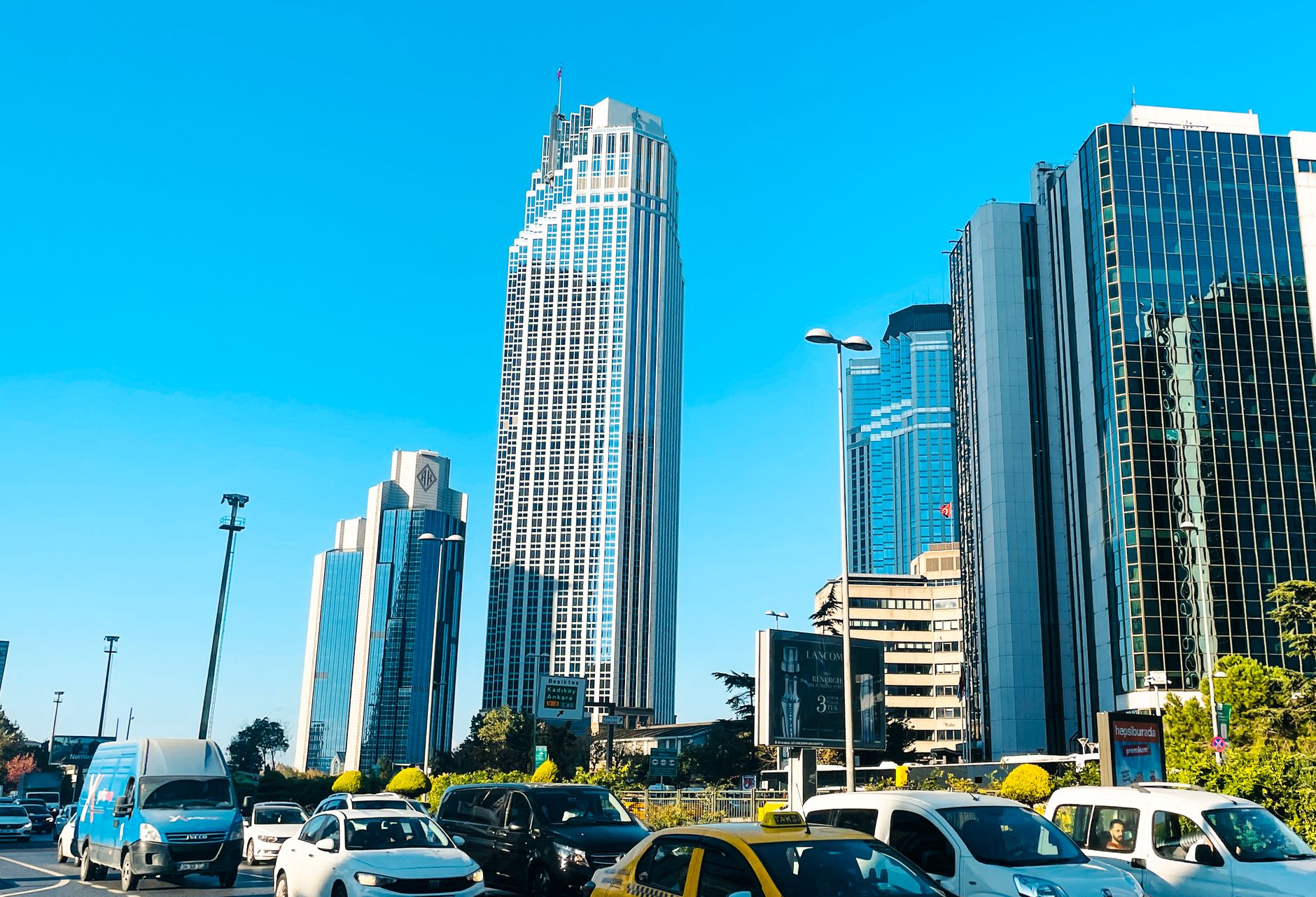
Walk through Levent's gleaming corporate corridors on a Tuesday afternoon, and the silence is striking. Glass-walled offices that once buzzed with activity now operate at 40-50% capacity, according to preliminary data from Istanbul's commercial real estate sector. The shift is unmistakable: the post-pandemic hybrid work model has fundamentally altered how companies think about physical space—and more critically, how they compete for talent in a city where ambitious professionals now hold unprecedented leverage.
Istanbul's premium office market, traditionally dominated by the Levent-Maslak corridor and increasingly by Pendik's growing tech hubs, is undergoing a profound reset. Class A office spaces that commanded 25-30 Turkish Lira per square meter annually are now seeing landlords offer incentives: flexible lease terms, rent reductions, and built-to-suit renovations designed to lure occupants back. Major corporate headquarters along Büyükdere Caddesi have consolidated operations, moving away from sprawling multi-floor arrangements toward more intimate, amenity-rich environments.
This reshaping is creating unexpected opportunities and challenges for Istanbul's talent acquisition landscape. Companies can now recruit specialists from across Anatolia and beyond without requiring daily office presence, effectively expanding their talent pool exponentially. Yet paradoxically, top-tier professionals—particularly in tech, finance, and creative sectors—are increasingly selective about which offices they'll actually visit. The premium now goes to employers offering flexibility, not square footage.
Emerging neighbourhoods like Beşiktaş and Eyüp are capitalizing on this shift, attracting smaller agencies, startups, and creative firms that prioritize collaborative spaces over traditional corporate density. Co-working operators report strong demand for membership-based arrangements that allow companies to maintain a physical presence without long-term commitments.
The talent market implications are significant. Istanbul's younger professionals—particularly those with English fluency and international experience—are no longer geographically bound to Levent or Maslak. Employers must now compete on purpose, culture, and genuine flexibility rather than prestige address alone. Compensation expectations have also shifted; a junior professional in Ankara or Izmir, once considered a flight risk if recruited to Istanbul, can now negotiate remote-friendly arrangements that eliminate relocation costs.
For property owners and developers, the message is clear: the era of quantity-driven office development has ended. The companies attracting Istanbul's best talent are those reimagining workspace as community hub rather than desk farm—investing in quality, sustainability, and genuine work-life integration rather than building bigger boxes on the same tired corridors.
This article was compiled by AI and screened before publishing. See our editorial standards.