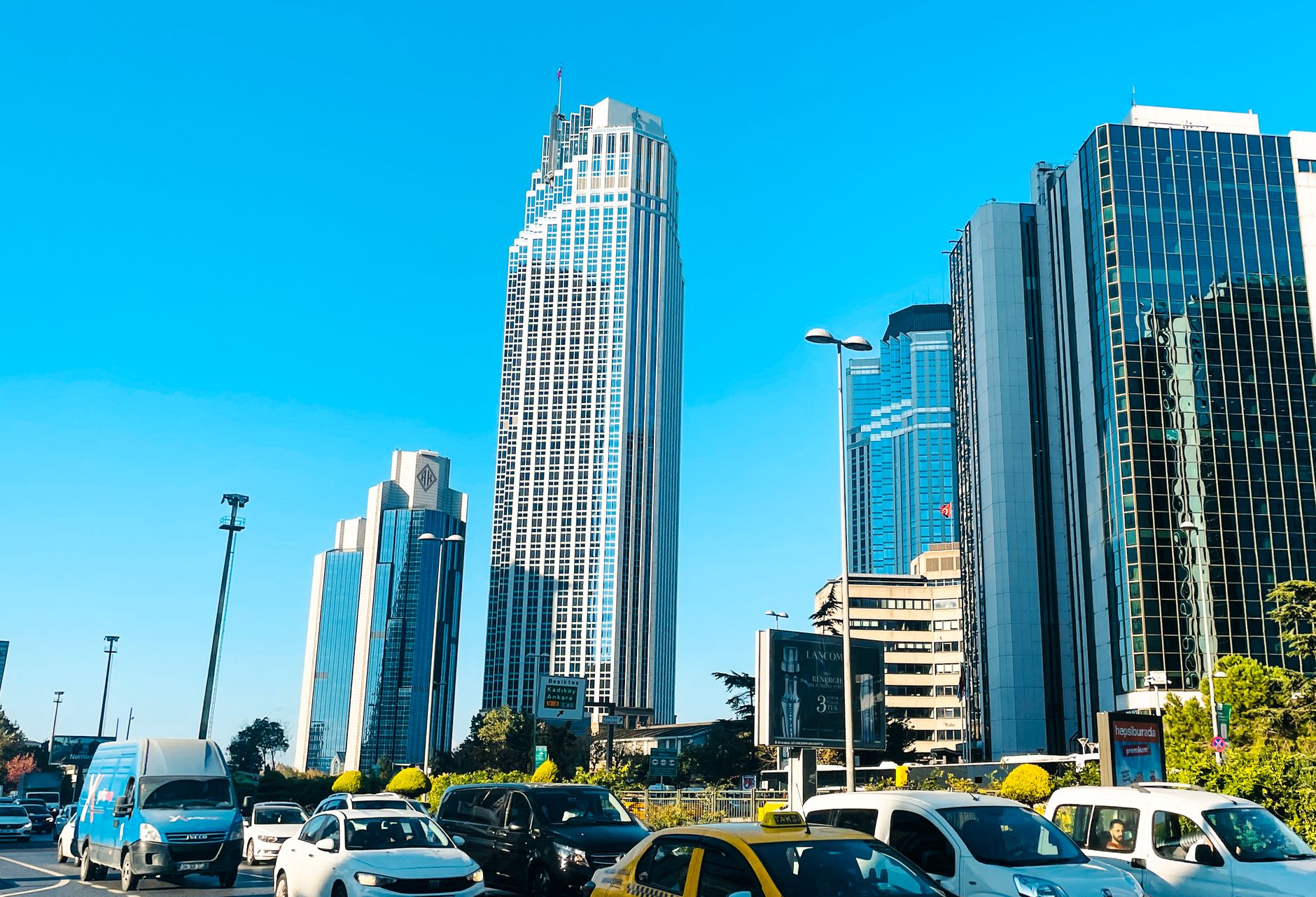
Istanbul's tourism sector is experiencing unprecedented growth, with visitor numbers reaching 16.4 million in 2025—a 23 per cent increase from five years prior. But beneath the celebration of record bookings and full hotel occupancy rates, a quieter crisis is unfolding: the city's hospitality and tourism industries are struggling to find enough qualified workers to meet demand, fundamentally reshaping labour dynamics across multiple neighbourhoods.
The pressure is most acute in Sultanahmet and Beyoğlu, where boutique hotels, rooftop restaurants, and cultural venues cluster densely. Staff turnover at mid-range hotels has climbed to 35 per cent annually, according to preliminary data from the Istanbul Chamber of Commerce, as workers migrate toward better-paying positions or burnout from extended shifts. A sous chef position at an established restaurant in Galata now commands monthly salaries approaching 85,000 Turkish lira—roughly 40 per cent higher than in 2022.
This talent squeeze is triggering significant operational changes. Several hotel chains along Istiklal Avenue have begun offering subsidised housing in outer districts like Fatih and Eyüp, effectively expanding their recruitment radius to less affluent neighbourhoods where housing costs remain manageable. International hospitality chains are partnering with vocational schools in Bakırköy to establish pipeline programmes, guaranteeing entry-level positions to graduates in exchange for structured training commitments.
The ripple effects extend beyond wages. Restaurants in Cihangir and Ortaköy report offering flexible scheduling and mental health benefits—uncommon perks in Istanbul's service sector just three years ago. Some boutique hotels have begun hiring remote workers for administrative roles, allowing them to recruit skilled professionals from Ankara and Izmir without relocation costs.
Yet challenges remain acute. Language proficiency gaps persist despite demand, with English-speaking front-of-house staff particularly scarce. The Turkish Hotel Association has called for faster vocational certification programmes and suggested temporary visa incentives to attract hospitality workers from Central Asia.
For Istanbul's broader economy, this represents a critical inflection point. The city's tourism engine is finally generating sustained employment—particularly crucial as manufacturing sectors face global headwinds. But unless education and immigration policies adapt quickly, the sector risks hitting a growth ceiling within 18 months. Hotels and restaurants are already scouting talent in secondary cities; if that trend continues, Istanbul risks exporting both opportunity and revenue to rival destinations.
The real test will come during the 2027 tourist season, when booking forecasts suggest visitor numbers could exceed 18 million—potentially exposing whether the city's labour market can genuinely sustain this trajectory.
This article was compiled by AI from the sources linked above and screened before publishing. See our editorial standards.