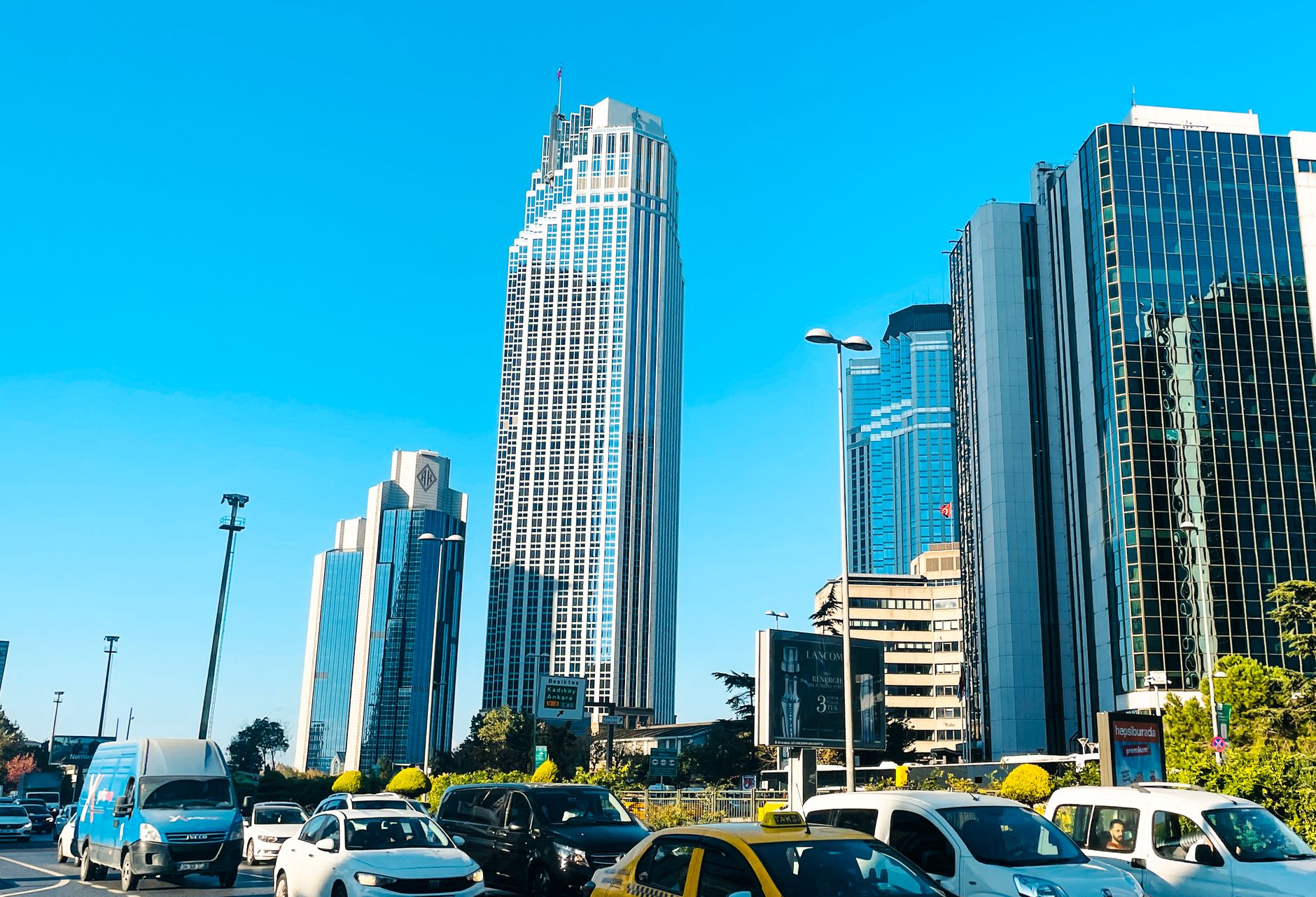
Walk through the bustling corridors of Istanbul's business districts—from the gleaming towers of Maslak to the startup-filled lanes of Beyoğlu—and you'll sense a job market in flux. For ordinary residents managing household expenses across neighbourhoods like Kadıköy, Şişli, and Bakırköy, these shifts matter deeply, affecting everything from rent negotiations to career planning.
The past eighteen months have seen notable employment volatility in Istanbul's labour market. Tech and fintech sectors, historically concentrated around the Levent-Maslak axis, have moderated hiring after aggressive expansion periods. Meanwhile, hospitality and tourism—vital to Istanbul's economy as visitor numbers stabilise post-pandemic—are reporting stronger recruitment activity, though wage growth hasn't kept pace with inflation that has eroded purchasing power across the metropolitan area.
For residents in working-age demographics, the practical implications are significant. Entry-level positions in administrative and customer service roles, traditionally accessed through employment agencies along Halaskargazi Caddesi in Şişli, are increasingly competitive. Professional-level opportunities in finance, logistics, and international trade remain relatively robust—Istanbul's position as a transcontinental hub hasn't diminished—but employers are demanding broader skill sets and language proficiencies.
Perhaps most relevant to everyday households: wage-to-rent ratios have deteriorated noticeably. A modest two-bedroom apartment in family-friendly areas like Acibadem or Caddebostan now consumes 40–50 percent of middle-income household earnings, up from historical norms. This pressure has prompted qualified workers to explore remote arrangements or roles in adjacent regions, creating commuting patterns that affect daily life across the city's transport networks.
The informal economy, which sustains significant portions of Istanbul's working population, remains resilient but faces its own pressures. Street vendors, tradespeople, and service providers across Sultanahmet and the Grand Bazaar district report fluctuating demand tied directly to tourist flows and local consumer confidence—both currently subdued.
For residents evaluating career moves or household finances, several realities stand out: skills in digital tools, English proficiency, and flexibility remain premium assets. Professional retraining programmes offered through Istanbul's vocational institutions and private providers are seeing increased enrolment, suggesting workers are actively adapting. Additionally, coupled-income households increasingly outnumber single-earner models as economic necessity reshapes family employment strategies.
The takeaway for ordinary Istanbullus is straightforward: labour market conditions are shifting away from the rapid-growth optimism of recent years toward more selective, skill-focused hiring. That affects job security, wage prospects, and the calculations that shape household budgeting across this city of 16 million people.
This article was compiled by AI from the sources linked above and screened before publishing. See our editorial standards.