Why Your Galata Groceries Cost More Now: A Resident's Guide to Global Trade Shifts
As supply chains reshape across Europe and Asia, Istanbul consumers face higher prices and fewer choices—here's what's actually happening to your wallet.
As supply chains reshape across Europe and Asia, Istanbul consumers face higher prices and fewer choices—here's what's actually happening to your wallet.
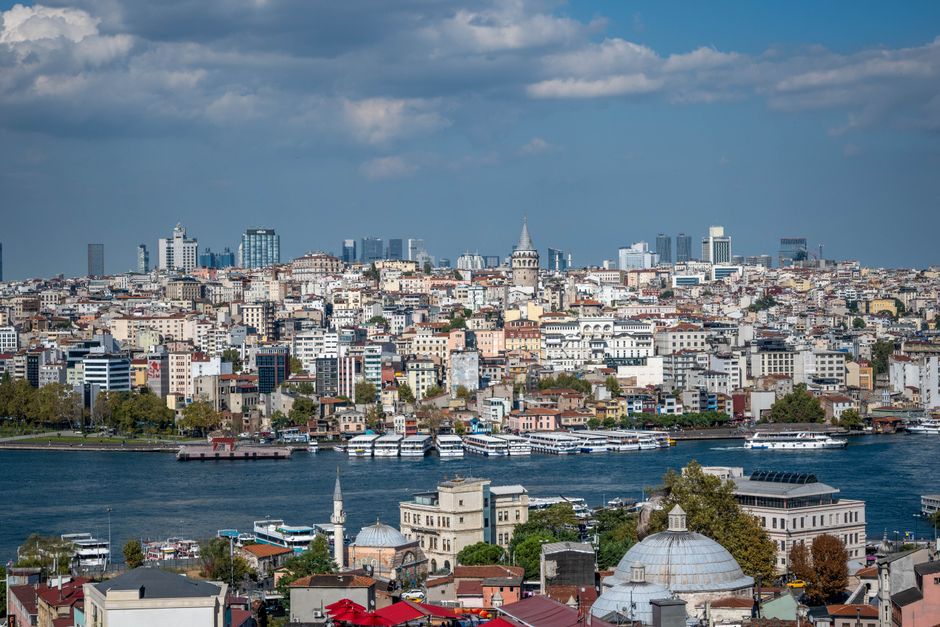
Walk through the weekend markets of Balat or the supermarket aisles near Taksim Square, and you'll notice something your grandmother probably didn't: the price of everyday goods climbing faster than the ferries up the Golden Horn. This isn't random. The changes rippling through Istanbul's consumer economy reflect fundamental shifts in how the world trades, and understanding them matters for your household budget.
Over the past eighteen months, supply chain disruptions—from geopolitical tensions affecting Middle Eastern shipping routes to evolving trade agreements between Europe and Asia—have directly impacted what Istanbul residents pay at the checkout. Fresh fruit at the Kadıköy waterfront markets, for instance, now arrives through more circuitous routes. Tomatoes and peppers that once came directly from Anatolia's interior now compete with imports from further afield, driving up logistics costs passed directly to you.
The story isn't uniform. Some imported goods—particularly electronics and textiles from East Asia—have actually stabilized or dropped slightly in price as manufacturers adjust to new trade corridors that bypass previously congested routes. Yet simultaneously, European imports have become pricier. A resident buying German machinery parts for a small business in Şişli, or Italian fashion goods in Nişantaşı, faces steeper tariffs and longer wait times than two years ago.
For daily consumers, three practical realities have emerged. First, seasonal eating makes financial sense now more than ever: locally grown seasonal vegetables cost substantially less than out-of-season imports. Second, the euro's fluctuations directly affect prices in Turkish lira—when the euro strengthens, European imports become more expensive almost immediately. Third, subscription services, delivery apps, and international shopping now carry hidden currency conversion costs that weren't evident in fixed-price physical stores.
Istanbul's business community—from the traders around the Grand Bazaar to the logistics firms operating out of the port—are adapting by diversifying suppliers and shortening supply lines where possible. But these adjustments take time. The real story for residents is that inflation in consumer goods won't disappear overnight, even as global trade reshuffles itself.
Understanding these connections matters because your purchasing power isn't determined solely by Turkish wage growth or domestic policy anymore. It's entangled with port capacities in Singapore, trade agreements negotiated in Brussels, and geopolitical decisions made thousands of kilometers away. Being an informed consumer in Istanbul in 2026 means grasping that your morning coffee's price reflects global complexity, not just local supply.
This article was compiled by AI from the sources linked above and screened before publishing. See our editorial standards.
How does this story make you feel?
Spread the word
About this article
Published by The Daily Istanbul
Daily brief
Free, in your inbox before 7am. Weekdays.
More in Business