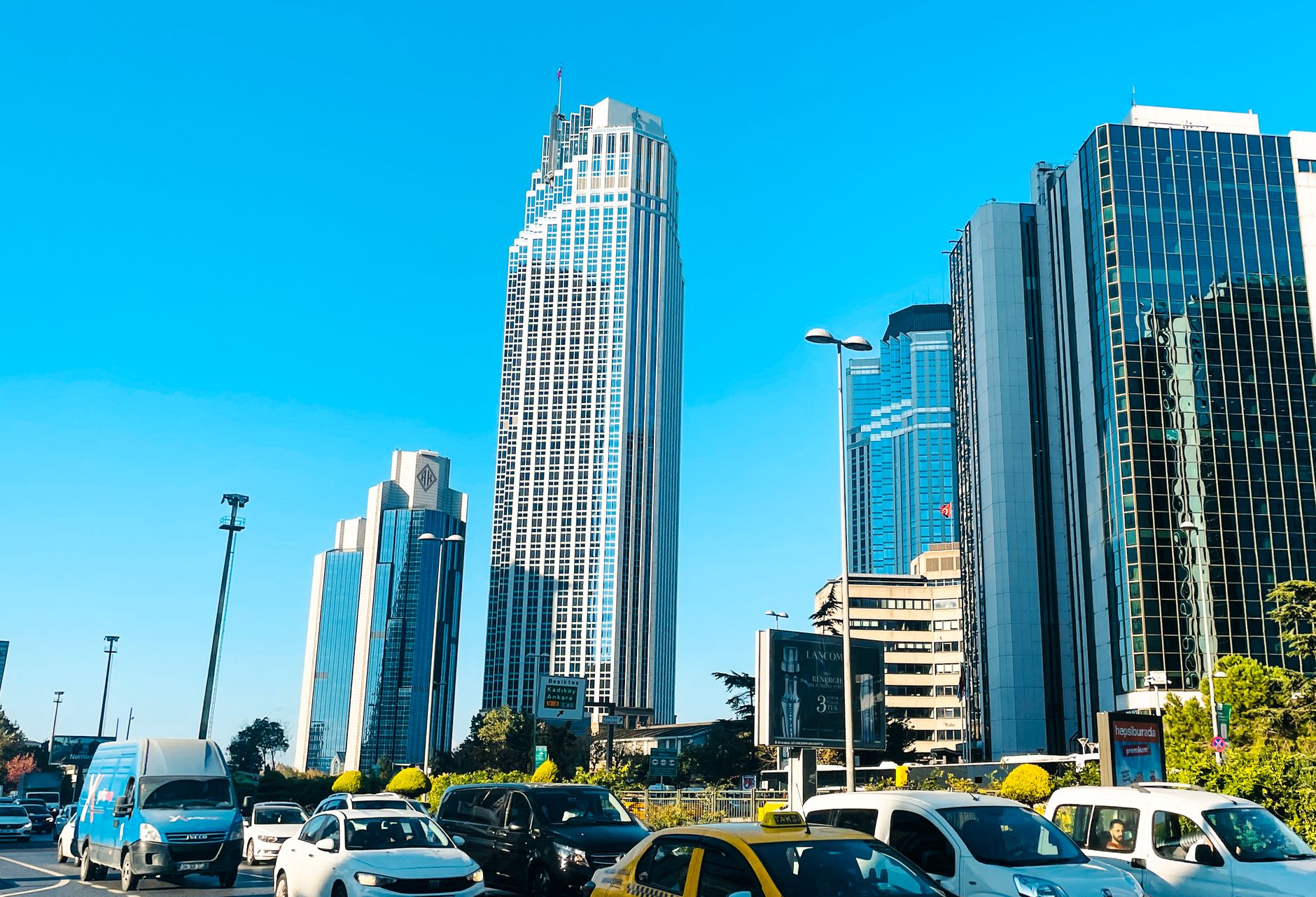
Istanbul's employment landscape is undergoing a quiet but profound transformation. What began as pandemic-era flexibility has crystallized into a structural shift: major tech firms, consulting houses, and creative agencies across the city are abandoning rigid office-first cultures in favour of distributed workforces. The ripple effects are reshaping salary expectations, neighbourhood demographics, and talent acquisition strategies across Turkey's largest economic hub.
The data tells a compelling story. According to recent LinkedIn labour market analysis for Turkey, positions offering flexible arrangements in Istanbul now account for approximately 34% of professional vacancies, up from 12% in 2022. This shift has immediate consequences for traditional business districts. The Golden Horn office corridor around Karaköy and Eminönü—long Istanbul's premier commercial address—is experiencing unexpected softening in premium real estate demand, with some firms consolidating their Mecidiyeköy headquarters to skeleton crews.
But opportunity is migrating, not disappearing. Neighbourhoods like Kadıköy, Cihangir, and even outlying areas around Sarıyer are seeing explosive growth in co-working spaces, café-based workspaces, and residential areas attracting high-earning professionals. Property agents report a 22% spike in rental inquiries for two-bedroom apartments in Kadıköy's professional quartile, where professionals can afford more spacious homes while maintaining commute flexibility to occasional office days.
The talent market itself is becoming more fluid and, paradoxically, more competitive. Istanbul-based recruitment firms report that remote eligibility has widened their candidate pools significantly—firms can now recruit experienced talent from Ankara, Izmir, and beyond, eroding wage premiums that Istanbul traditionally commanded. A mid-level marketing professional in Nişantaşı might now compete for the same role with an equally qualified peer in Alsancak, Izmir, fundamentally altering salary negotiations.
Yet this has created unexpected advantages for the city. Companies previously constrained by Istanbul's high office costs are expanding their local headcount, knowing they needn't furnish expensive central desks for every hire. Startups in the Beyoğlu tech cluster report that remote-first operations have actually accelerated hiring, with total employment in Istanbul's tech sector growing 18% year-over-year, despite office footprint remaining flat.
The reshaping isn't without friction. Traditional sectors—banking, insurance, law—remain office-centric, creating a two-tier employment market. And neighbourhoods dependent on office worker foot traffic are adjusting to new commercial rhythms. But for Istanbul's professionals and employers alike, the flexibility genie appears firmly out of the bottle, permanently rewriting the rules of where and how work happens in the city.
This article was compiled by AI from the sources linked above and screened before publishing. See our editorial standards.