Walk through the bustling corridors of the Grand Bazaar on any given morning, and you'll hear it in hushed conversations between carpet merchants and textile traders: the world's instability is hitting Istanbul's pocketbooks harder than ever.
The past months have seen a cascade of geopolitical pressures—from Pakistan-Afghanistan border clashes to escalating U.S.-Iran negotiations—that ripple directly through Turkey's business ecosystem. For Istanbul's traders, who depend heavily on regional supply chains and currency stability, these global tremors translate into concrete financial headaches.
Ferhan Demir, who manages a textile import business operating between Fatih and the port of Haydarpasa, represents a common struggle. Turkish lira volatility—currently hovering around 33-35 against the dollar—has made forward purchasing a nightmare. Import costs that were predictable six months ago now fluctuate daily, squeezing margins for businesses already operating on 10-15% profit rates. The anxiety around Middle East negotiations particularly affects those with Iranian supply relationships; any sign of renewed sanctions sends tremors through Beyoglu's trading houses.
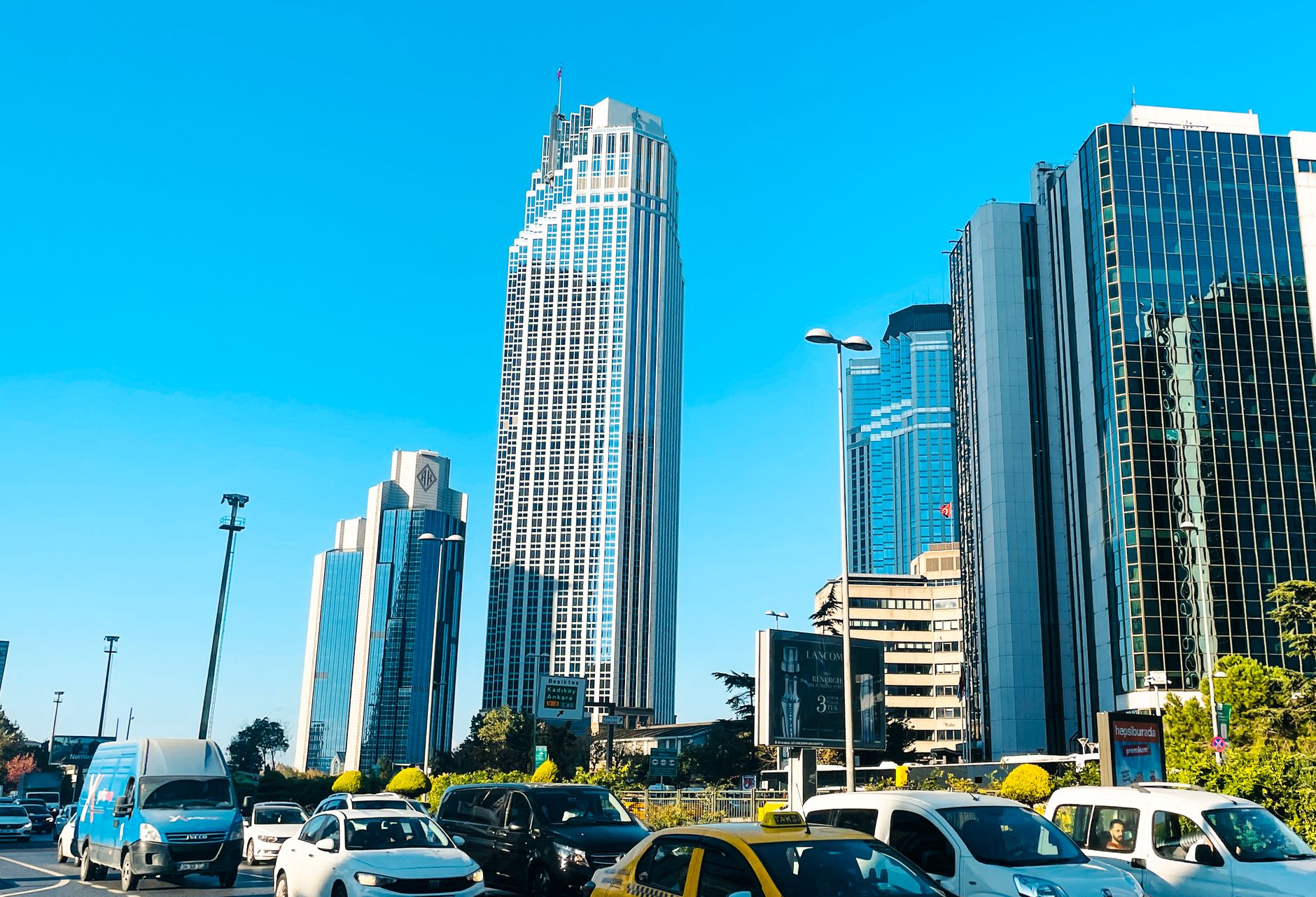
Commercial real estate reflects the tension. Office space in Maslak, Istanbul's financial hub, saw asking rents rise 18% year-over-year, driven by companies hedging against further currency depreciation by securing long-term leases now. Meanwhile, retail foot traffic in Nisantasi and Cihangir—traditionally stable middle-to-upper-class shopping districts—dropped 12% in Q2 as consumer confidence wavered.
The port situation amplifies concerns. Haydarpasa and the newer container terminals at Kumport face unpredictable shipping schedules due to regional tensions affecting Mediterranean routes. Delays that once measured days now stretch to weeks, forcing small and medium enterprises to carry excess inventory they can't afford.
Yet adaptation is underway. Some Istanbul business owners are diversifying supply chains away from Iran and Pakistan toward Southeast Asian alternatives, absorbing short-term costs for long-term resilience. Others are accelerating digital transformation—moving transactions to cryptocurrency or hedging instruments—to insulate themselves from lira swings.
The Chamber of Commerce and Industry Istanbul (ICCI) reports that 67% of surveyed businesses plan to increase cash reserves rather than reinvest in expansion, a conservative posture born of uncertainty. This pullback threatens job creation in a city where employment growth has traditionally absorbed rural migration.
For Istanbul's entrepreneurs, the lesson is stark: global chaos is no longer a distant headline. It's a daily calculation affecting rent, inventory, and payroll decisions right here on the Bosphorus.
This article was compiled by AI from the sources linked above and screened before publishing. See our editorial standards.