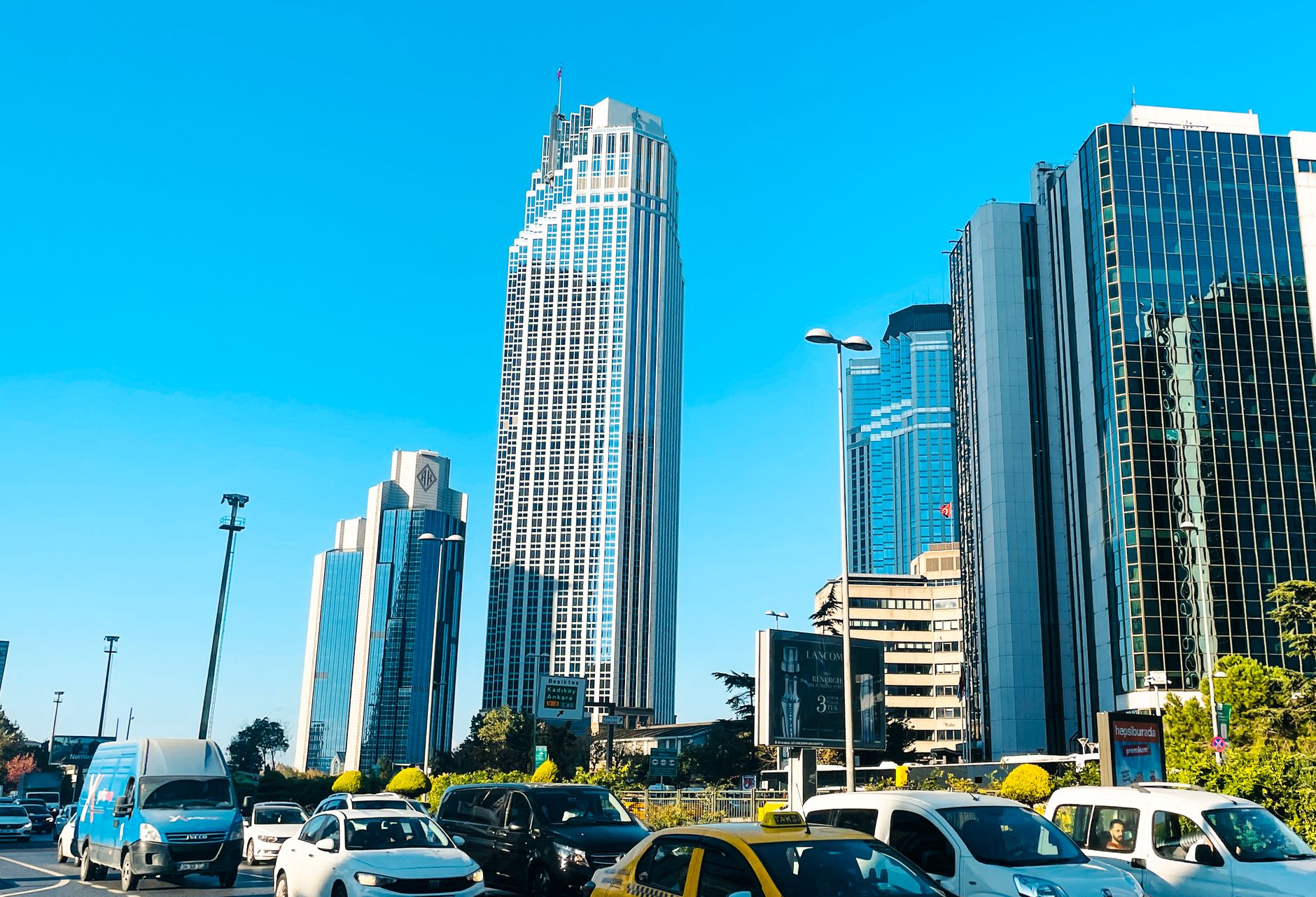
The numbers tell a story of recovery and growth: Istanbul welcomed 15.4 million visitors last year, marking a 22 percent jump from 2024. But amid the surge of corporate tour operators and standardized itineraries, one entrepreneur in Galata is quietly reshaping how visitors encounter the city's culinary soul.
Mehmet Özkan operates a series of intimate food walking tours from a modest storefront on Serdar-i Ekrem Street, steps from the Galata Tower's perpetual tourist crowds. Yet his operation stands apart. Where competitors herd groups of 30 toward predetermined checkpoints, Özkan caps his tours at eight participants. His itineraries shift weekly based on market availability and seasonal ingredients, avoiding the stale repetition that increasingly defines mass tourism in Istanbul's old quarters.
"The visitor economy was built around volume," explains one local hospitality consultant. "What Özkan understands is that the demographic has changed. People want experiences that feel unavailable to everyone else."
Starting as a street-level spice vendor in Eminönü in 2008, Özkan spent over a decade building relationships with family-run restaurants, fishmongers, and baklava makers across Beyoğlu and Balat. By 2019, he pivoted those connections into structured tours, initially operating from a corner near the Spice Bazaar's northern exit. The pandemic forced adaptation—he shifted to private group bookings and online cooking classes, reaching diaspora communities across Europe and North America.
Today, his operation runs approximately 450 tours annually, with per-person rates hovering around 185 Turkish lira (roughly $6 USD). That undercuts major competitors by 40 percent while maintaining margins through high repeat bookings and referrals—approximately 60 percent of his clientele arrives through word-of-mouth rather than platform algorithms.
The model has attracted attention from the Istanbul Chamber of Commerce and the Ministry of Culture and Tourism, which cited his operation in a recent report on sustainable tourism practices. Yet Özkan remains hesitant about scaling. He's rejected acquisition offers and partnership proposals that would require standardizing his offerings.
"Istanbul is becoming a different city every two years," he noted in a recent interview with a local business publication. "If you freeze your experience, you're already extinct." His willingness to evolve—adding neighborhood-specific themes, incorporating contemporary food trends—suggests that in an era of mass tourism, the competitive advantage belongs to those refusing to industrialize their craft.
This article was compiled by AI from the sources linked above and screened before publishing. See our editorial standards.