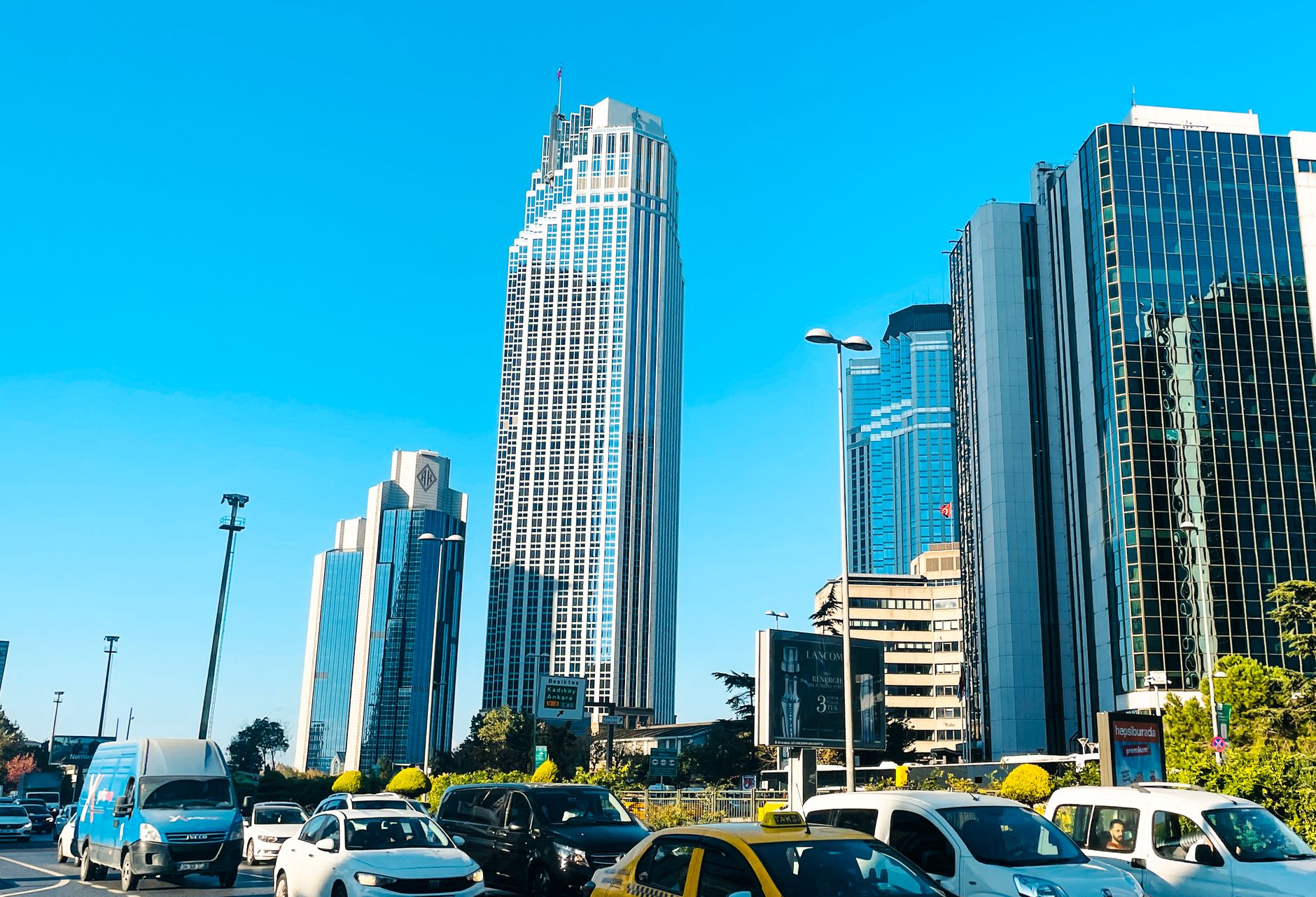
The Levent district has long been synonymous with Istanbul's corporate identity, but the past eighteen months have witnessed a notable shift in how premium office space is being conceived and marketed. At the centre of this evolution is a developer whose innovative approach to mixed-use commercial properties is redefining what tenants expect from their working environment.
Located along the spine of Nispetiye Caddesi, the neighbourhood that serves as Istanbul's unofficial financial corridor, rental yields for Grade-A office space have climbed to approximately $35-40 per square metre annually—a marked increase from pre-pandemic benchmarks. Yet supply remains constrained. Vacancy rates in prime Levent locations hover below 8%, creating intense competition for the best addresses.
This supply-demand imbalance has sparked renewed interest in adaptive reuse projects and vertical mixed-use developments. One entrepreneur in particular has gained prominence by converting underperforming mid-rise structures in the Levent-Etiler border zone into hybrid spaces that blend corporate offices, co-working facilities, and premium retail on a single campus. The approach mirrors global trends seen in London's King's Cross or Singapore's emerging office districts, but with distinctly local sensibility.
The strategy involves acquiring properties that command lower per-metre acquisition costs, then repositioning them with modern amenities—high-speed connectivity, wellness centres, and flexible lease terms that appeal to startups and multinationals alike. This developer has reportedly acquired three such sites in the past two years, with total redevelopment value exceeding $200 million.
The impact ripples beyond individual projects. Other investors and developers across Istanbul's secondary office nodes—Maslak to the north, Atasehir's emerging tech corridor to the east—are now revisiting their strategies. The message is clear: in a market where foreign direct investment remains sensitive to geopolitical currents, and domestic companies are increasingly selective about overhead costs, flexibility and experience matter.
Real estate consultancies tracking the Istanbul market report growing interest from European firms seeking alternatives to more expensive Western European hubs. Turkish technology firms, meanwhile, are consolidating operations into fewer, better-designed spaces. Both trends favour developers who understand not just construction, but the evolving psychology of how businesses want to work.
As June 2026 moves toward the summer months, when real estate deals traditionally slow, several major transactions are reportedly in final stages. The developer at the centre of this story is now regarded as a bellwether for where Istanbul's office market is heading—a position that underscores how individual vision, well-timed investment, and responsiveness to market signals can reshape an entire commercial district.
This article was compiled by AI from the sources linked above and screened before publishing. See our editorial standards.