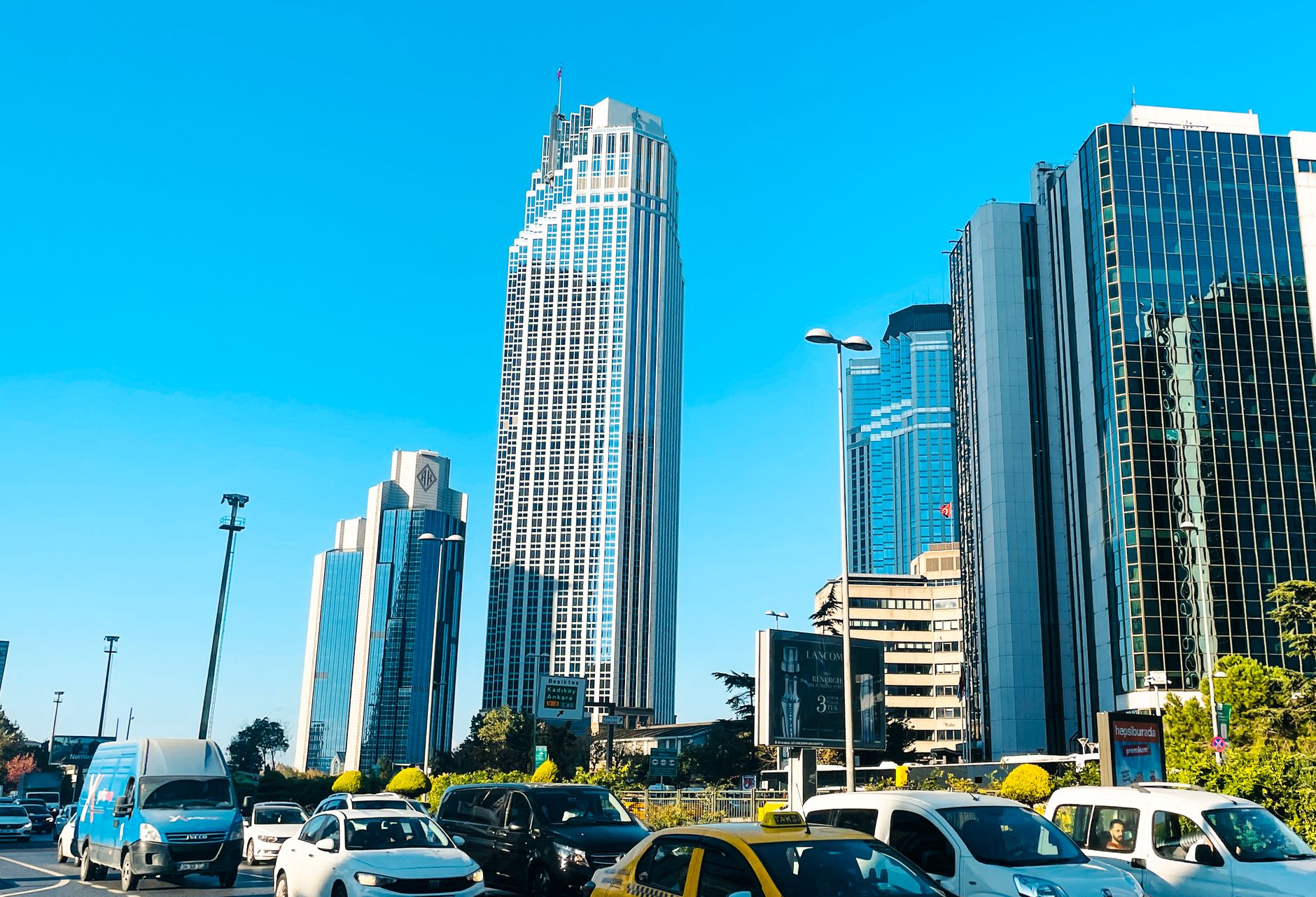
The cafés along İstiklal Caddesi buzz with the usual creative energy, but beneath Istanbul's entrepreneurial surface, hiring managers are bracing for impact. Recent geopolitical developments—from Middle Eastern tensions to African crises affecting global supply chains—are creating tangible employment headwinds across Turkey's most dynamic economic hub.
The International Labour Organization's latest data suggests regional instability correlates directly with reduced foreign direct investment in emerging markets. For Istanbul, where roughly 35% of Turkey's private sector jobs exist, this translates into measurable caution. Recruitment agencies operating from Levent's corporate towers report a 12-15% slowdown in multinational hiring over the past quarter, particularly in finance and logistics sectors that depend on predictable geopolitical conditions.
"Clients are delaying expansion decisions," explains the sentiment across Istanbul's professional services ecosystem. Companies like those headquartered in the Maslak business district—traditionally aggressive in regional hiring—are adopting wait-and-see approaches. International firms with operations spanning the Middle East and North Africa face genuine uncertainty about regional stability, which directly constrains their Turkish operations.
Tourism, Istanbul's second-largest employment generator after services, mirrors broader anxiety. Hotels in Sultanahmet and along the Bosphorus report stagnant bookings from North American and Western European markets. Hospitality venues that employed 50,000+ workers across the city have frozen recruitment, with some implementing modest staff reductions. Average hotel wages in central districts hover around 28,000-35,000 Turkish Lira monthly—already modest by global standards—making these jobs critical for working-class families.
Tech startups clustering in Beyoğlu and around Galata offer brighter spots. These firms, less dependent on regional geopolitical stability, continue selective hiring. Yet even here, venture capital decisions involve longer deliberation cycles when global uncertainty peaks.
The Port of Ambarlı, handling containerized commerce, experiences demand volatility tied to shipping route decisions affected by international tensions. This cascades into logistics and warehousing employment—sectors employing thousands across the Anatolian side.
Istanbul's strength lies in its diversification. Unlike cities dependent on single industries, the metropolis absorbs shocks through its varied economic base. Yet the cumulative effect remains real: unemployment in Istanbul stands around 8-9%, up from 7% a year prior, with underemployment affecting young professionals particularly severely.
As global events continue shaping investment confidence, Istanbul's business community watches the horizon carefully. The city's employment trajectory depends not merely on local policy but increasingly on distant decisions made in Washington, Tehran, and Kinshasa.
This article was compiled by AI from the sources linked above and screened before publishing. See our editorial standards.