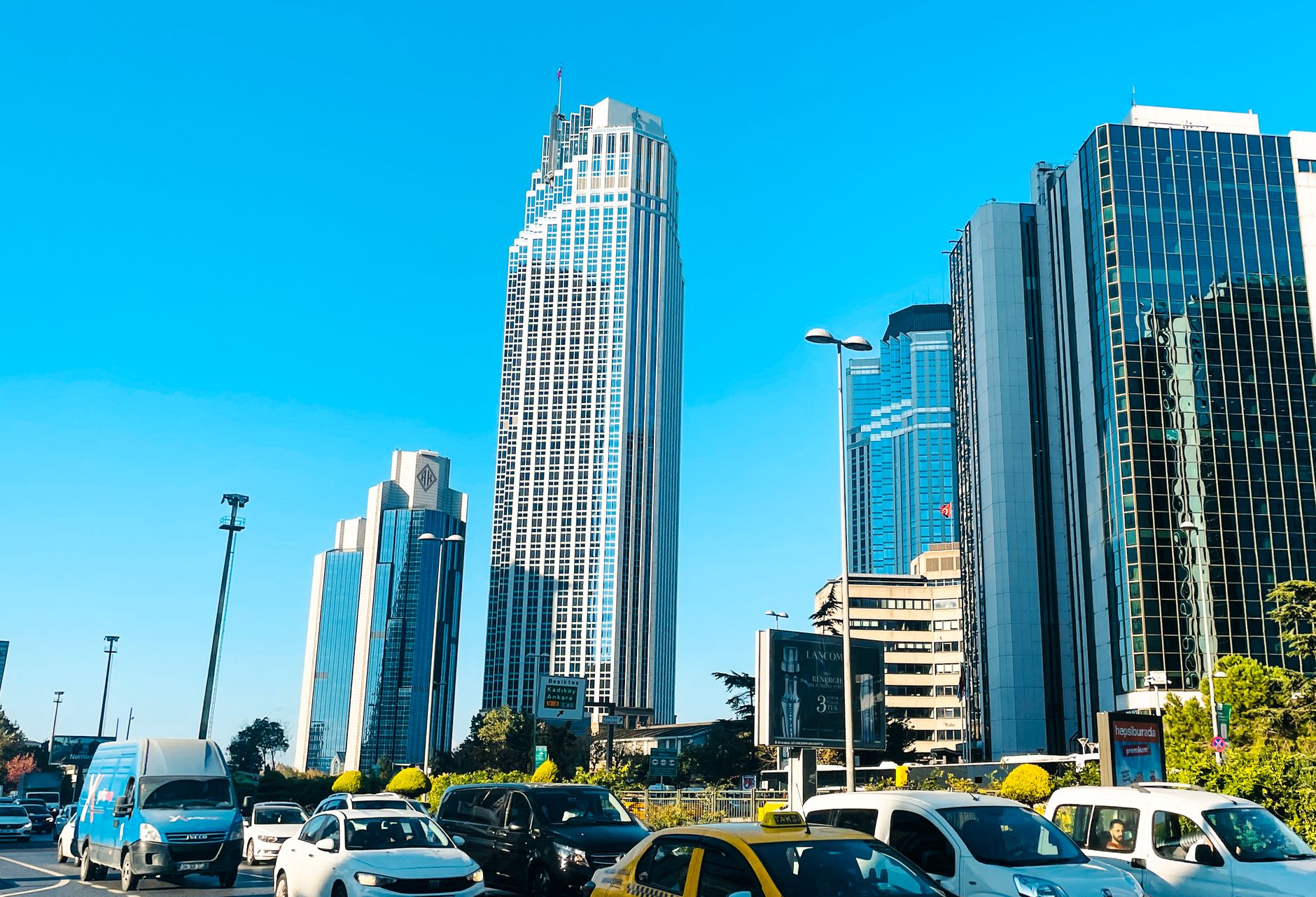
Walk through the gleaming office parks of Maslak or the boutique retailers lining Istiklal Caddesi, and you'll find a business community grappling with an uncomfortable reality: Istanbul's economic future increasingly hinges on decisions made in Washington, Tehran, Kinshasa, and Beijing.
The past six months have crystallized this vulnerability for local entrepreneurs. Currency fluctuations tied to U.S.-Iran tensions have made import costs unpredictable for manufacturers based in Esenyurt's industrial zones. Meanwhile, supply chain disruptions stemming from African instability have delayed component shipments to electronics firms around Taksim. A café owner in Beyoğlu recently told colleagues the cost of green coffee beans has spiked 18 percent since March—a direct consequence of logistical uncertainty in East African ports.
"We're not isolated," explains the sentiment rippling through business networking events at venues like the Istanbul Chamber of Commerce headquarters near Eminönü. The data confirms it: Turkish export orders to the U.S. have become more volatile, with companies reporting longer payment cycles as American firms themselves navigate political uncertainty. For local fashion exporters—a backbone of Istanbul's €2.3 billion garment sector—this translates into compressed margins and delayed cash flow.
The investment picture has darkened too. Foreign direct investment into Istanbul-based startups has cooled noticeably. VCs operating from co-working spaces in Beşiktaş report that international partners are adopting more cautious postures. Tech founders seeking Series A funding find themselves explaining geopolitical risk premiums they never had to discuss two years ago.
Real estate prices tell another story. While central neighbourhoods like Nişantaşı remain resilient, commercial property in secondary business districts shows softening demand. Landlords offering six-month rent reductions reflects a market where tenants are conserving capital, unsure whether next quarter's revenue will materialise.
Yet Istanbul's business class isn't paralysed—it's adapting. Companies are diversifying supply chains, building inventory buffers, and exploring eurozone partnerships to reduce dollar exposure. Some manufacturers are nearshoring production to reduce geopolitical risk. Others are pivoting aggressively toward domestic consumption and regional markets less exposed to U.S.-Iran friction.
The broader lesson: Istanbul remains economically dynamic, but pretending the world's chaos is distant is no longer viable. Smart investors here aren't asking if global instability matters anymore. They're asking how quickly they can restructure their operations to thrive despite it.
This article was compiled by AI from the sources linked above and screened before publishing. See our editorial standards.