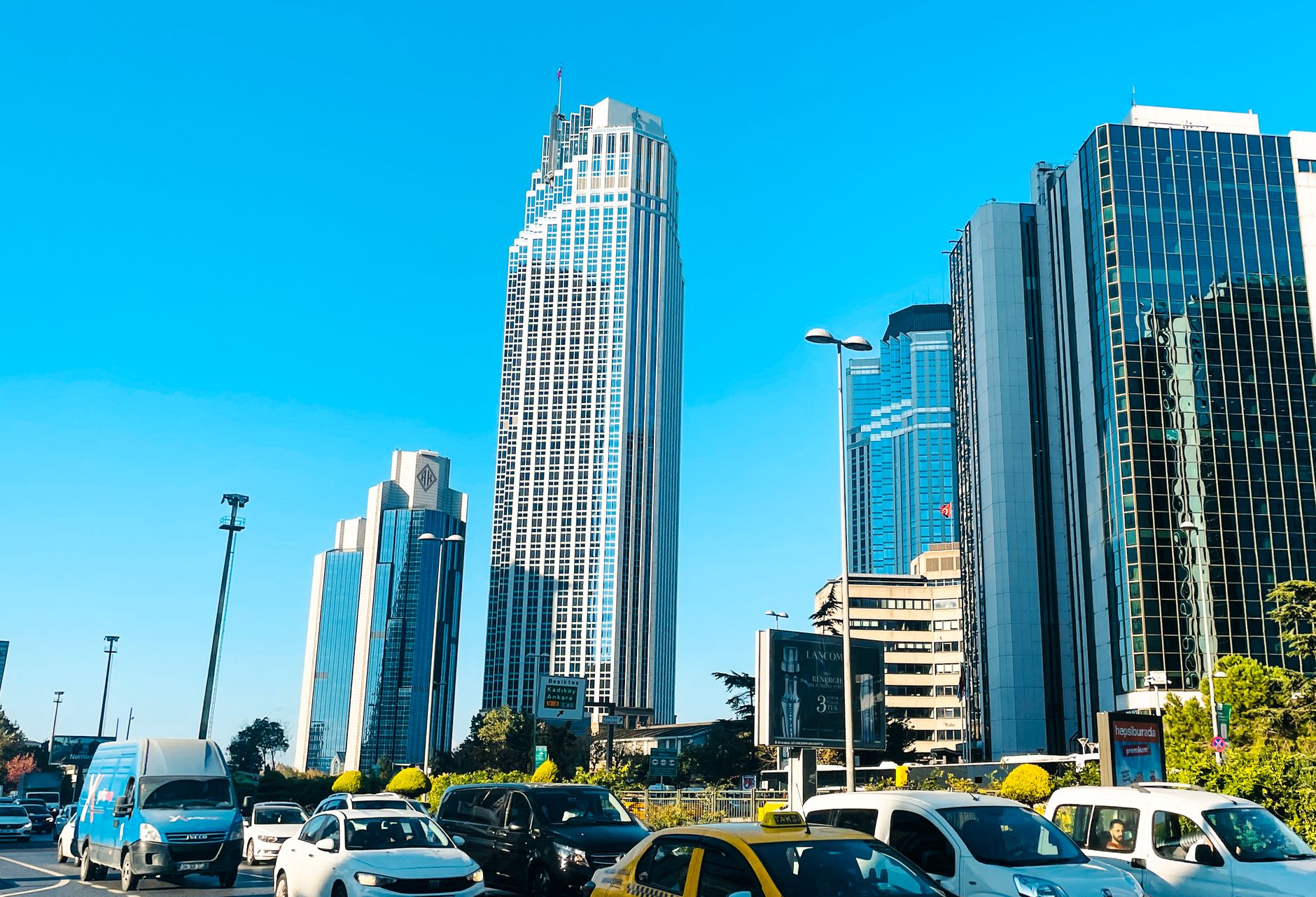
In a narrow office overlooking the Golden Horn from Galata Tower's shadow, Selen Kaya oversees operations that ship premium Turkish textiles to 34 countries monthly. Her company, Anatolia Weave Collective, has grown from a single showroom on İstiklal Caddesi in 2019 to a logistics hub in Pendik that processes over 2,000 tonnes of fabric annually—a remarkable trajectory in an era of volatile global supply chains.
What began as a family textile business expanded by Kaya into something distinctly modern: a digital-first export platform that cuts traditional middlemen out of the equation. Rather than relying solely on Istanbul's historic fabric bazaars in the Sultanahmet district, Kaya invested heavily in blockchain-verified supply chain transparency and direct B2B e-commerce tools. "Turkish textiles have tremendous quality, but our reputation suffered because buyers couldn't trace origins," she explained during a recent visit to her Beyoğlu headquarters.
The numbers tell a compelling story. Anatolia Weave's annual revenue has climbed from €3.2 million in 2021 to an estimated €47 million this year, with orders from fashion houses in Milan, Barcelona, and New York. The company now employs 156 people across Istanbul, with satellite offices in Izmir and Gaziantep. Trade data shows Turkish textile exports rose 12 percent year-over-year through May 2026, and insiders credit companies like Kaya's for pioneering methods that bypass traditional bottlenecks.
Her success reflects a broader shift reshaping Istanbul's business landscape. The city remains Turkey's financial heart, but entrepreneurs increasingly operate as global operators first, leveraging the Bosphorus not merely as geography but as metaphor—a bridge between markets. Kaya's approach mirrors emerging trends: vertical integration of manufacturing with digital distribution, emphasis on sustainability certifications, and direct relationships with international retailers.
Challenges persist. Currency fluctuations, regional geopolitical tensions affecting shipping routes, and competition from Southeast Asian producers continue to pressure margins. Yet Kaya's willingness to invest in technology and transparency has positioned Anatolia Weave ahead of competitors wedded to older models.
Her trajectory underscores a simple truth: Istanbul's future in global commerce belongs not to those merely inheriting trade routes, but to those reimagining them. From a desk in Galata, Kaya is proving that Turkish entrepreneurship, married to modern tools, remains formidable in the hyperconnected world of 2026.
This article was compiled by AI from the sources linked above and screened before publishing. See our editorial standards.