From Galata to Global: How One Istanbul Founder is Reshaping Turkey's Deep-Tech Scene
A former mechanical engineer's venture studio in Beyoğlu is quietly becoming Turkey's answer to Silicon Valley's hardware innovation hubs.
A former mechanical engineer's venture studio in Beyoğlu is quietly becoming Turkey's answer to Silicon Valley's hardware innovation hubs.
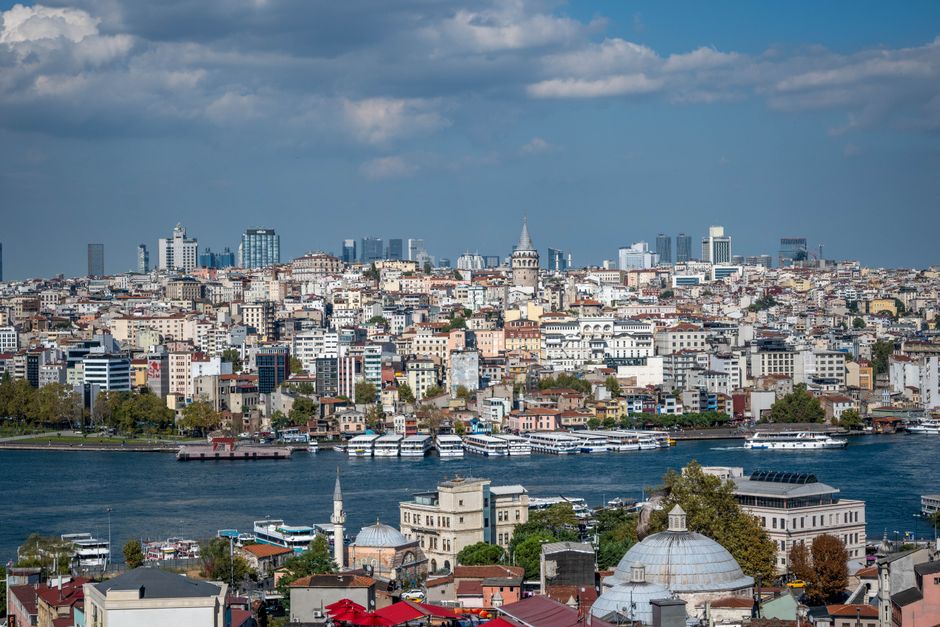
Nestled between the restored Ottoman warehouses and contemporary galleries of Galata, a three-storey converted textile factory has become an unlikely epicentre of Turkish innovation. What began in 2019 as a single founder's moonlighting project has evolved into one of Istanbul's most closely watched venture ecosystems, with over 40 early-stage companies now working across disciplines ranging from autonomous robotics to sustainable materials science.
The operation occupies roughly 2,500 square metres across the Kemeraltı neighbourhood—a district historically known for wholesale trade but increasingly attracting creative and technological enterprises. The workspace combines open laboratory benches with private development studios, mentorship pods, and a communal kitchen where engineers, designers, and business developers collide over afternoon coffee at one of the neighbourhood's characteristic 15-lira espresso bars.
What distinguishes this particular hub from the growing number of innovation spaces dotting Beşiktaş and Levent is its explicit focus on hardware and materials rather than software. In a Turkish startup ecosystem historically dominated by fintech and SaaS ventures—sectors that have attracted nearly 65 per cent of venture capital deployed locally since 2020—this emphasis on physical innovation represents a calculated departure from market orthodoxy.
Several resident companies have already gained traction internationally. One is developing next-generation thermal insulation from agricultural waste, addressing both sustainability and cost pressures in Turkey's overheating construction sector. Another specialises in precision manufacturing equipment for medical devices, directly competing with European imports that currently dominate Turkish hospital supply chains. A third is building industrial IoT sensors specifically calibrated for textile factories—a deliberate nod to the region's manufacturing heritage.
The venture studio model itself merits attention. Rather than simply leasing desk space, the operation takes equity stakes in resident companies, provides operational support and technical mentorship, and actively facilitates introductions to corporate partners and institutional investors. This hands-on approach has attracted attention from both domestic family offices and international accelerators seeking entry points into Turkey's innovation landscape.
For Istanbul's broader business community, the emergence of such spaces signals a maturation of local entrepreneurial ambition. The city's position as a transcontinental hub—bridging European and Asian markets—has long been cited as a structural advantage. What's changing is the willingness of Turkish founders to compete in capital-intensive, technically complex domains where Istanbul's talent pool and proximity to manufacturing capabilities offer genuine competitive edges. As global supply chains continue fragmenting, spaces like this may prove increasingly valuable to multinationals seeking innovation partners outside traditional Western tech centres.
This article was compiled by AI from the sources linked above and screened before publishing. See our editorial standards.
How does this story make you feel?
Spread the word
About this article
Published by The Daily Istanbul
Daily brief
Free, in your inbox before 7am. Weekdays.
More in Business