Istanbul's Finance Sector Faces Perfect Storm of Headwinds in 2026
Rising operational costs, currency volatility, and regulatory tightening are testing the resilience of Turkey's financial hub.
Rising operational costs, currency volatility, and regulatory tightening are testing the resilience of Turkey's financial hub.
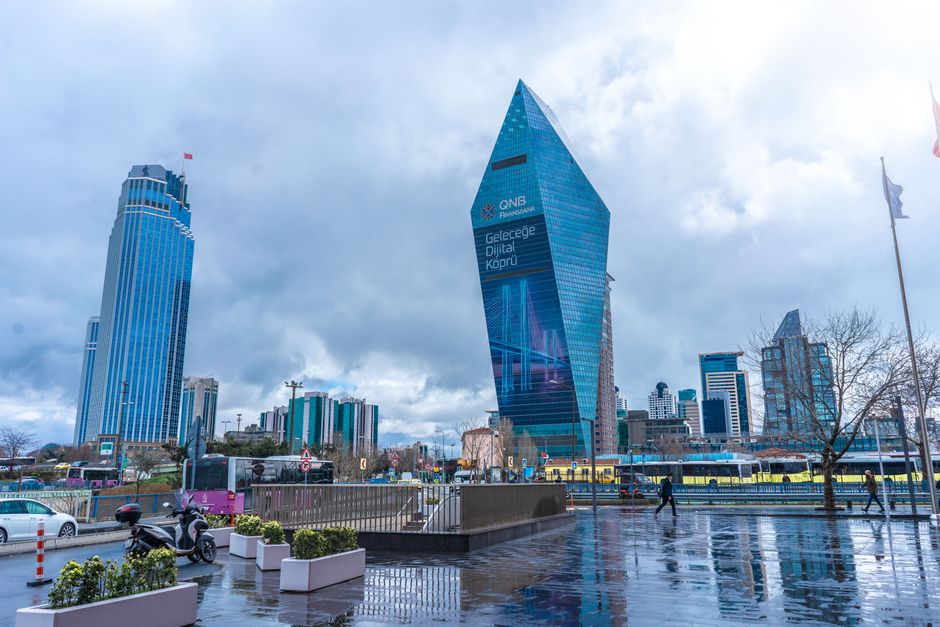
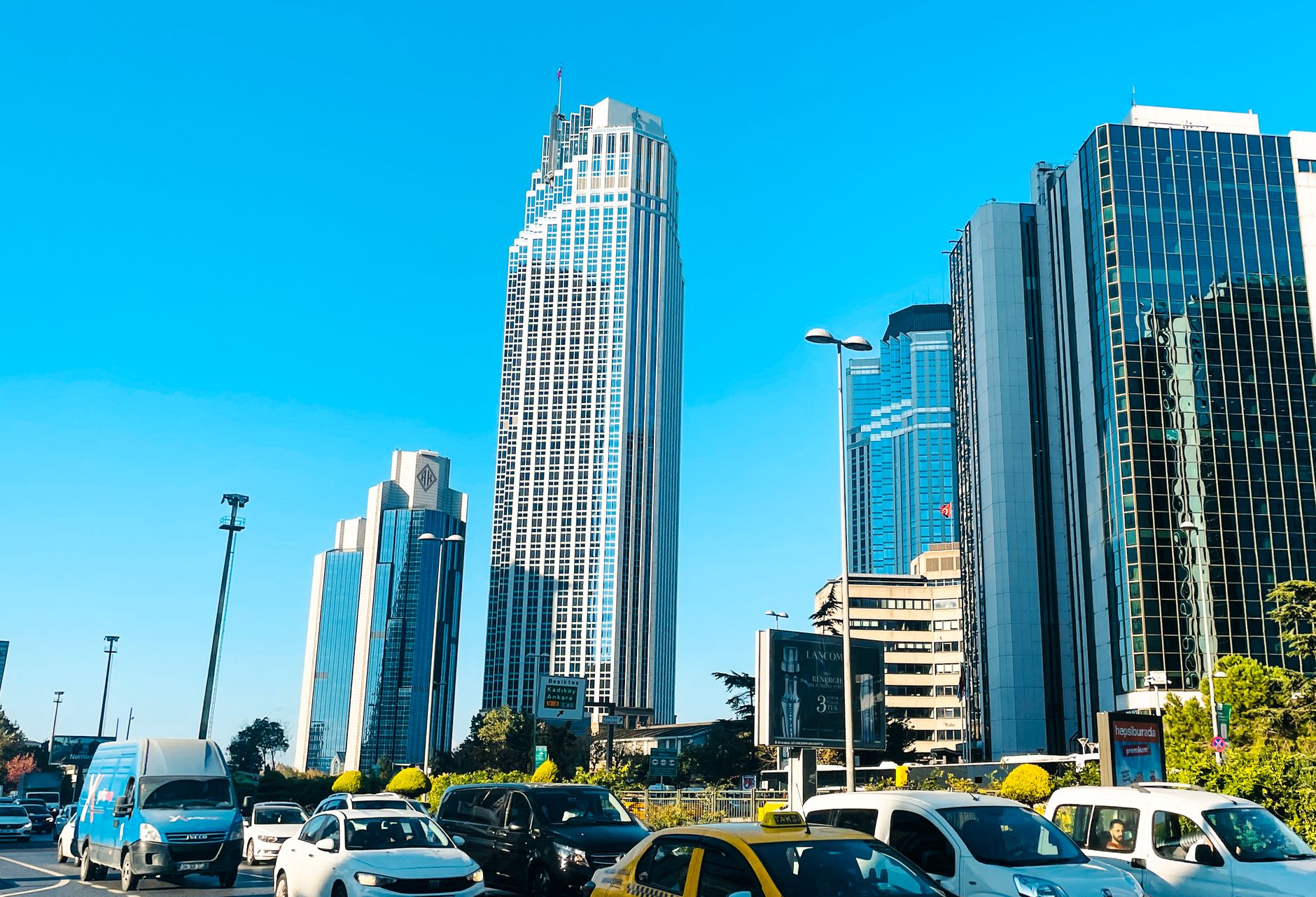
Istanbul's traditionally robust financial services sector is confronting a convergence of structural challenges that threaten profitability margins and investor confidence heading into the second half of 2026. From the gleaming office towers along the Bosphorus to the trading floors in Maslak's business district, financial institutions are grappling with an unprecedented combination of cost pressures, currency headwinds, and regulatory complications.
Operating expenses across Istanbul's major financial institutions have surged by an estimated 18-22% year-on-year, driven primarily by rent inflation in premium business zones. Grade-A office space in Levent and Beşiktaş now commands upwards of $45 per square meter monthly—a 35% increase since early 2024. Simultaneously, talent retention has become increasingly expensive, with mid-level financial professionals demanding salary increases of 15-20% to maintain purchasing power amid persistent inflation. Banking sector wage bills have become a critical vulnerability.
Currency volatility presents an equally thorny problem. The Turkish lira's fluctuations against major reserve currencies have complicated hedging strategies for firms managing cross-border transactions. Many smaller investment firms operating out of office parks in Atasehir report that foreign exchange exposure has eaten into previously predictable margins. International clients are increasingly hesitant about denominating contracts in local currency, forcing Turkish firms to absorb additional risk or lose business.
Regulatory pressure has intensified further. The Central Bank of the Republic of Turkey's enhanced compliance requirements—implemented across 2025-2026—have forced Istanbul's financial institutions to invest heavily in technology infrastructure and personnel. Compliance departments have nearly doubled in headcount at major firms, adding substantial fixed costs without corresponding revenue generation. Smaller brokerages and fintech startups, which once thrived on lighter regulatory touch, now find themselves unable to compete with the compliance apparatus of established players.
Beyond institutional challenges, Istanbul's cost of living has created talent drain concerns. Young professionals in financial services are increasingly relocating to cheaper regional hubs or seeking opportunities in Dubai and Singapore, where compensation-to-cost-of-living ratios remain more favourable. Real estate prices in Kadikoy and Nisantasi—traditional neighbourhoods for finance sector workers—have placed homeownership beyond reach for many professionals under 35.
Industry insiders suggest that consolidation among mid-tier financial firms may accelerate through the remainder of 2026, as smaller players lack the scale to absorb these compounding pressures. The sector that once symbolized Istanbul's international ambitions now confronts a sustainability question that cannot be ignored.
This article was compiled by AI from the sources linked above and screened before publishing. See our editorial standards.
How does this story make you feel?
Spread the word
About this article
Published by The Daily Istanbul
Daily brief
Free, in your inbox before 7am. Weekdays.
More in Business