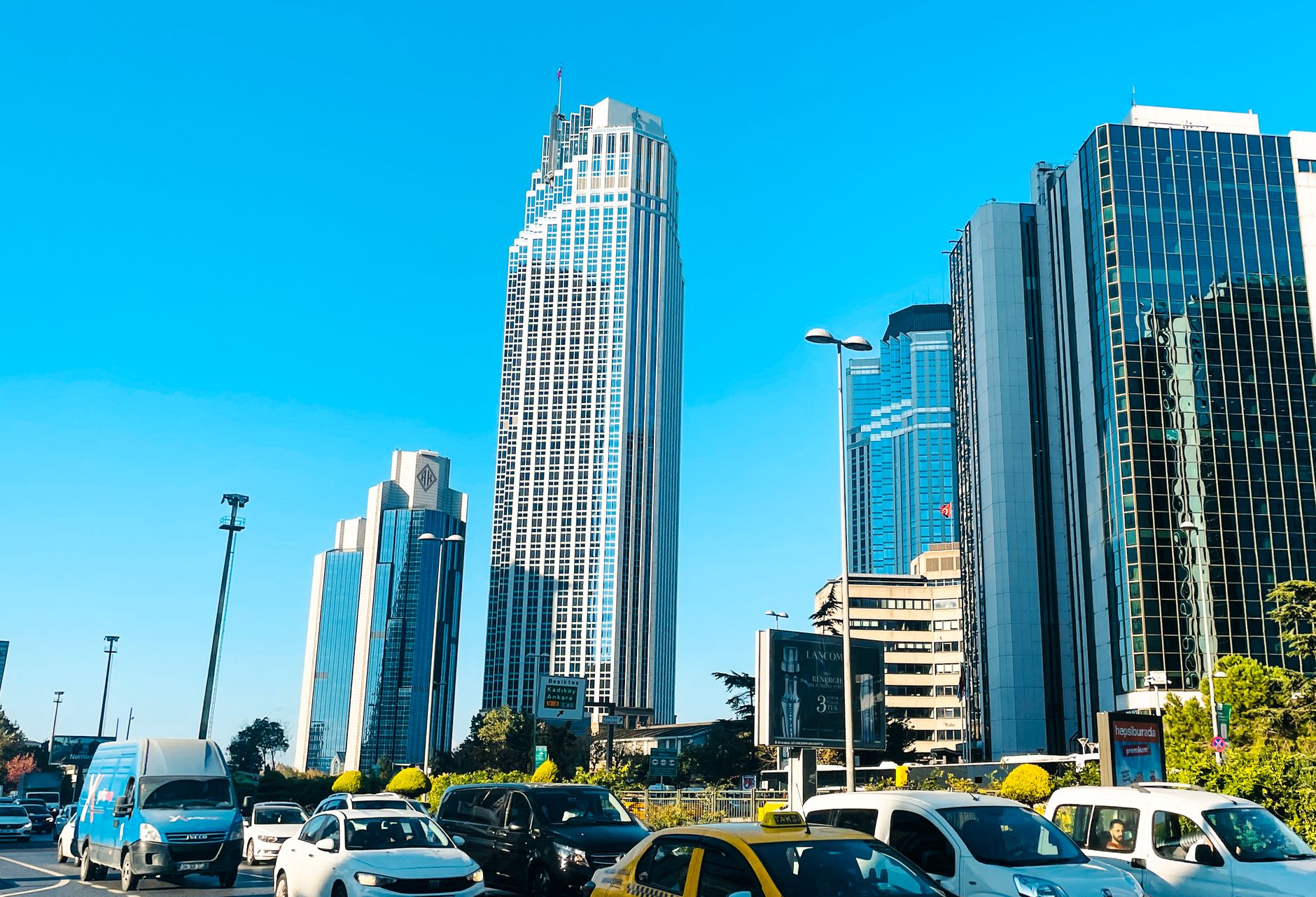
Istanbul's Startup Dreams Hit Headwinds as Global Tensions Reshape Investment Flows
Geopolitical instability in the Middle East and currency volatility are forcing local tech founders to rethink their funding strategies and market expansion plans.
Geopolitical instability in the Middle East and currency volatility are forcing local tech founders to rethink their funding strategies and market expansion plans.
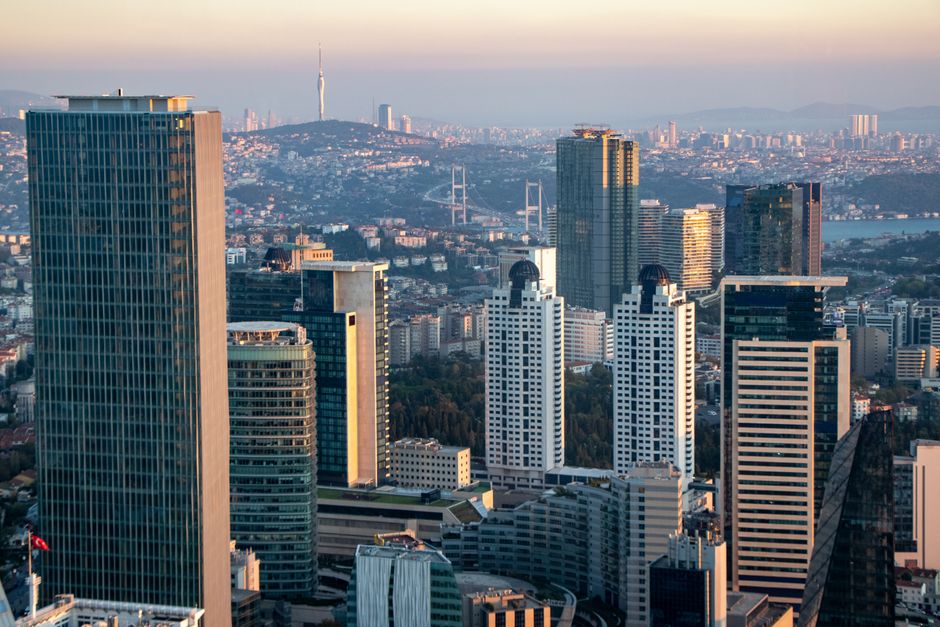
The buzzing tech corridors of Beyoğlu and the emerging innovation hubs around Levent are facing an unexpected chill as geopolitical turbulence reshapes the investment landscape for Istanbul's startup ecosystem. With tensions between the US and Iran escalating earlier this month, and broader instability across the Middle East, venture capital flows that once seemed predictable have become increasingly erratic—directly threatening the ambitions of Turkish founders who had counted on regional expansion.
"We were planning to raise our Series A in Q3, with investors from the Gulf already conducting due diligence," said one fintech founder based in the Startups Hub near Galata Tower, requesting anonymity due to ongoing negotiations. "Those conversations have essentially paused. Nobody wants to commit capital right now." This sentiment echoes across co-working spaces from Arnavutköy to Kadıköy, where approximately 4,500 active startups operate, generating an estimated $2.3 billion in annual turnover.
The ripple effects are tangible. The Turkish lira has fluctuated significantly against major currencies, making dollar-denominated expenses—from cloud infrastructure to international talent recruitment—considerably more expensive. For startups in the logistics, e-commerce, and fintech sectors with cross-border ambitions, operational margins have tightened dramatically. Several founders have postponed hiring plans and delayed expansion into regional markets including the UAE and Saudi Arabia.
Ironically, the uncertainty is forcing local innovation in a different direction. Istanbul's tech community is increasingly pivoting toward European markets and domestic growth, leveraging the city's position as a bridge between continents. The Istanbul Development Agency reports that applications for their innovation support programs surged 23% in the first half of 2026, suggesting founders are doubling down on local infrastructure rather than betting on regional scaling.
Government-backed initiatives are adapting too. The Teknokent technology parks in Pendik and Gebze are expanding their mentorship programs focused on European regulatory compliance and market entry strategies, recognizing that the Middle East corridor—once a promising frontier for Turkish tech—has become less predictable.
Yet seasoned investors remain cautiously optimistic. "Istanbul has weathered volatility before," noted an analyst tracking the city's tech sector. "The fundamentals—technical talent, growing consumer markets, lower operational costs than Western Europe—remain intact. This slowdown may actually consolidate the ecosystem, rewarding founders with solid business models over those chasing easy money."
As June turns to July, Istanbul's startups are learning that global headlines hit local balance sheets harder than ever before.
This article was compiled by AI from the sources linked above and screened before publishing. See our editorial standards.
How does this story make you feel?
Spread the word
About this article
Published by The Daily Istanbul
Daily brief
Free, in your inbox before 7am. Weekdays.
More in Business