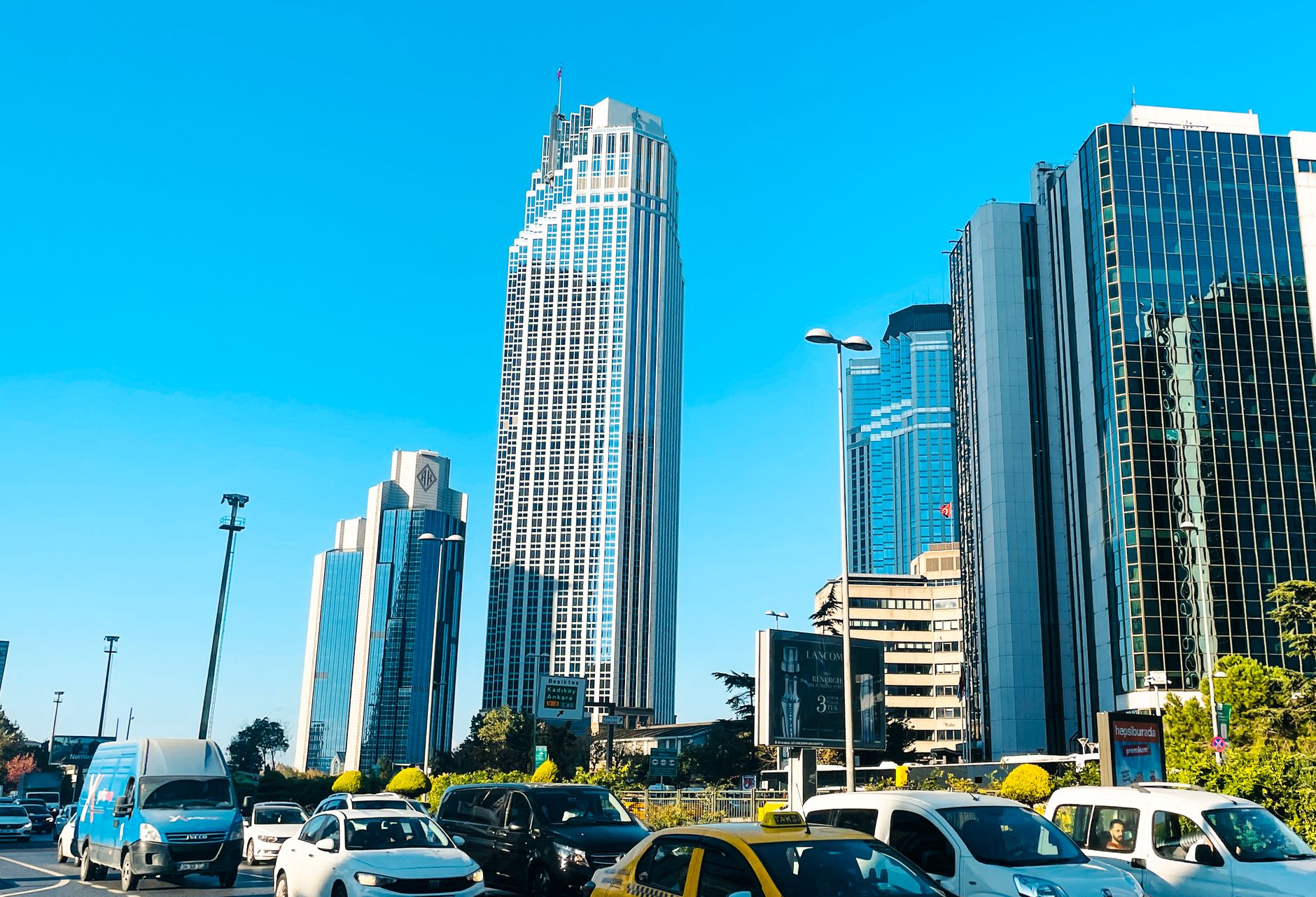
Walking through the bustling markets of Balat or grabbing a coffee in Beyoğlu, Istanbul residents are acutely aware that their purchasing power has shifted dramatically. Yet many struggle to understand the underlying mechanics reshaping their household finances in 2026.
The headline inflation figures circulating in financial circles tell only part of the story for families living in neighborhoods like Kadıköy, Şişli, and Aksaray. Rent in central districts has climbed to levels that would have seemed unthinkable five years ago, with two-bedroom apartments in Beşiktaş and Nişantaşı commanding premium prices that reflect both international investor interest and limited housing stock. For those in more affordable outer zones like Bağcılar and Bahçelievler, affordability remains slightly better, but wage growth has consistently lagged behind housing cost increases.
What matters most to residents is understanding which expenses truly matter. While headline inflation captures broad price movements across the economy, the inflation ordinary Istanbulites experience—what economists call "lived inflation"—diverges significantly. Grocery shopping at Migros or local neighborhood markets reveals steep increases in basics like bread, dairy, and cooking oil. Transportation costs, whether on the metro connecting Taksim to Eminönü or via dolmuş services across the city's sprawling suburbs, have risen substantially. Meanwhile, utility bills for the approaching winter months loom as a genuine household concern.
Investment decisions increasingly shape personal finances too. Many residents have shifted savings toward foreign currency accounts or property, a natural hedge against lira volatility. The Turkish central bank's policy moves directly affect deposit rates and borrowing costs, influencing whether residents can afford vehicle purchases or home improvements. Understanding these connections—between central bank decisions, currency movements, and monthly household bills—is essential for informed financial planning.
Several truths emerge for everyday Istanbul consumers. First, diversification matters: relying solely on lira savings exposes households to currency risk. Second, fixed-rate contracts for utilities and rent provide valuable certainty in unpredictable times. Third, distinguishing between essential and discretionary spending has become critical, particularly as credit card debt and consumer loans rise across the city.
The key insight residents must grasp is that personal finance in 2026 Istanbul requires active management rather than passive assumption. Those who understand inflation's mechanics, monitor currency movements, and adjust their financial strategies accordingly will weather current pressures more successfully. For millions navigating daily life across this sprawling metropolis, financial literacy isn't academic—it's survival.
This article was compiled by AI from the sources linked above and screened before publishing. See our editorial standards.