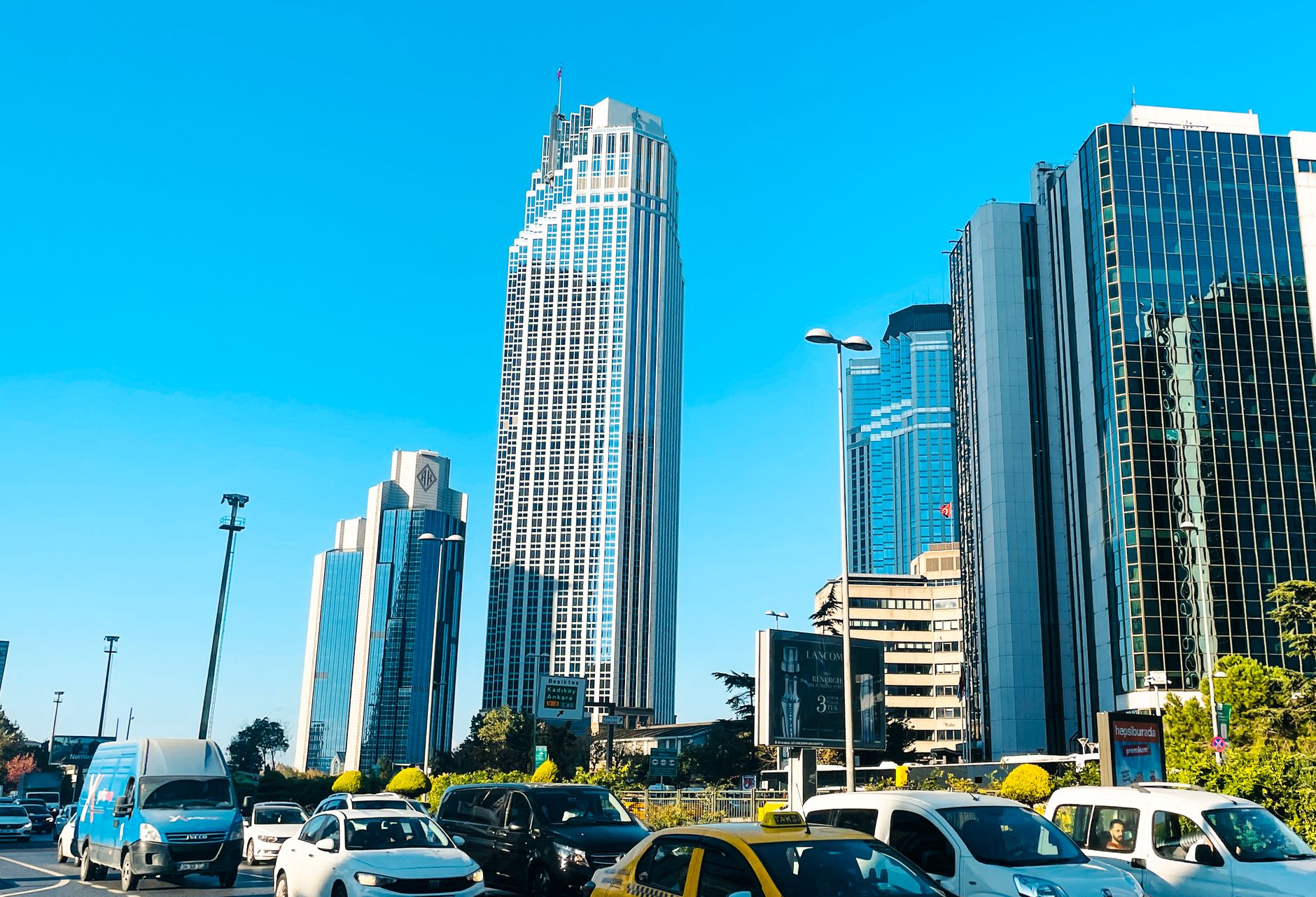
Istanbul's retail and hospitality sector is navigating significant headwinds as mid-2026 unfolds. Operators across Beyoğlu, Kadıköy, and the Sultanahmet district are grappling with a complex market reality: consumer confidence remains fragile, yet premium segments continue to attract affluent diners and shoppers.
Rising operational costs present the most immediate challenge. Labour expenses have climbed approximately 18 per cent year-on-year, according to data from the Istanbul Chamber of Commerce, while energy bills for restaurants and retail spaces have increased by roughly 22 per cent. Many proprietors along İstiklal Caddesi and in Nişantaşı are absorbing these costs rather than passing them fully to customers—a strategy that works only in the short term.
The market is fragmenting sharply. Budget-conscious consumers are trading down, favouring casual dining and quick-service outlets over sit-down establishments. Conversely, ultra-premium experiences—fine dining in Bebek, luxury shopping on Bağdat Caddesi, and boutique concepts in Galata—continue to perform well. Mid-market restaurants and department stores, historically the sector's backbone, face genuine pressure.
Digital adoption has accelerated unevenly. Forward-thinking hospitality businesses investing in online ordering platforms, loyalty apps, and data analytics are capturing market share. Traditional retailers resisting e-commerce integration are losing ground, particularly as younger Istanbul consumers expect omnichannel experiences. The competitive advantage gap is widening monthly.
Tourism remains a bright spot. International visitor numbers to Istanbul are up approximately 14 per cent compared to this time last year, buoying hotels, restaurants in Sultanahmet, and souvenir retailers. However, this growth is concentrated among luxury and budget segments; mid-range hospitality businesses report uneven bookings.
For business leaders, several trends warrant attention. First, supply chain resilience matters increasingly—disruptions affecting everything from imported wines to specialty ingredients require contingency planning. Second, staff retention has become critical; training programmes and competitive benefits packages are no longer optional. Third, sustainability messaging resonates with Istanbul's affluent demographics; waste reduction and ethical sourcing offer both cost savings and brand differentiation.
Pricing power remains limited. Survey data suggests Istanbul consumers will tolerate modest increases—perhaps 5 to 8 per cent annually—but aggressive hikes trigger substitution behaviour. The sweet spot lies in value perception: offering quality at transparent prices, emphasizing portions and ingredients, and building community loyalty through consistent experience.
The sector's resilience depends on operators making strategic choices now. Those upgrading technology infrastructure, optimizing labour deployment, and clearly segmenting their offerings are positioning themselves well. The next 12 months will likely separate winners from struggling businesses.
This article was compiled by AI from the sources linked above and screened before publishing. See our editorial standards.