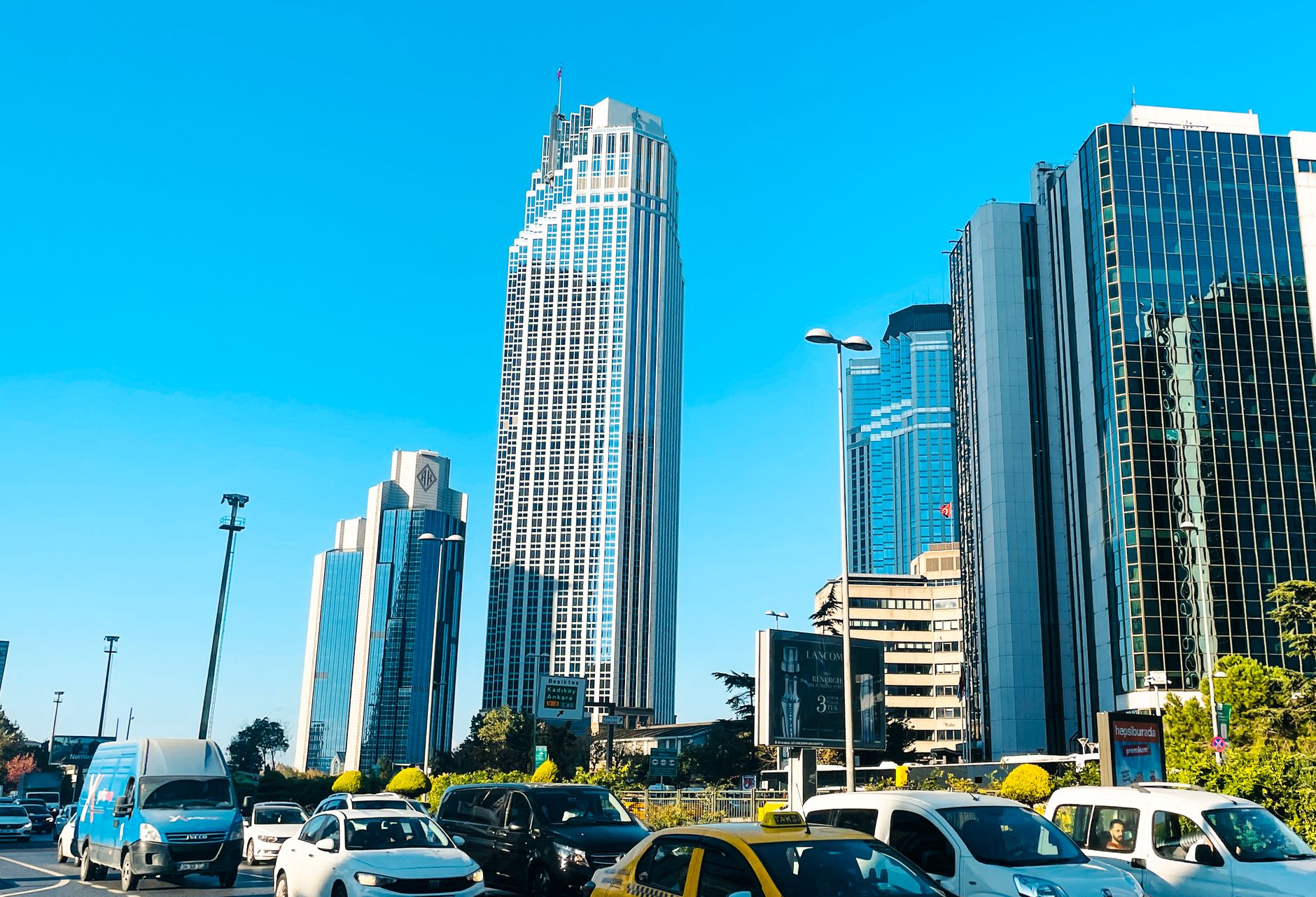
Istanbul's employment landscape is undergoing a visible transformation. Across Levent's gleaming office towers and the sprawling tech campuses of Pendik, businesses are grappling with unprecedented workforce dynamics that demand immediate strategic attention.
The headline concern for HR departments citywide: talent flight. A significant cohort of mid-to-senior level professionals—particularly in software development, finance, and marketing—have departed for European hubs or remote roles with international firms over the past 18 months. Recruitment agencies operating from Maslak report that filling senior technical positions now takes 40% longer than it did two years ago, with candidates increasingly negotiating flexible working arrangements as a non-negotiable baseline.
Wage inflation tells the story. Entry-level positions in financial services that commanded ₺50,000-60,000 annually now require ₺75,000-85,000 to attract qualified candidates. Across manufacturing districts in Hadımköy and Tuzla, factory managers report wage pressures of 15-18% year-on-year, compressing already-tight margins in export-dependent sectors.
The hospitality and retail sectors—cornerstones of employment in Sultanahmet, Beyoğlu, and around the Grand Bazaar—tell a different story. These industries face chronic undersupply of workers willing to accept lower wages and irregular hours. Many businesses have responded by increasing automation investments and restructuring roles, a shift visible in everything from hotel check-in systems to restaurant kitchen workflows.
What's driving this bifurcation? Several factors converge. Rising housing costs in central neighbourhoods have made lower-wage work increasingly untenable for many. Simultaneously, the tech sector's explosive growth—with incubators and startups clustered around Teknokent and spreading through Şişli—has created a high-wage alternative that's siphoning talent from traditional sectors.
For business leaders, the implications are stark. Companies in software, consulting, and financial services must invest in professional development and flexibility to compete. Those in labour-intensive sectors need to either accelerate automation or embrace structural business model changes. Middle-market firms operating across both dynamics face the toughest calculus.
The Istanbul Chamber of Commerce reports that 34% of surveyed businesses cited workforce availability as their primary operational challenge in the second quarter—up from 18% two years prior. That figure alone captures the urgency of the moment. Businesses that delay addressing recruitment and retention now will find themselves increasingly constrained through 2026 and beyond.
This article was compiled by AI from the sources linked above and screened before publishing. See our editorial standards.