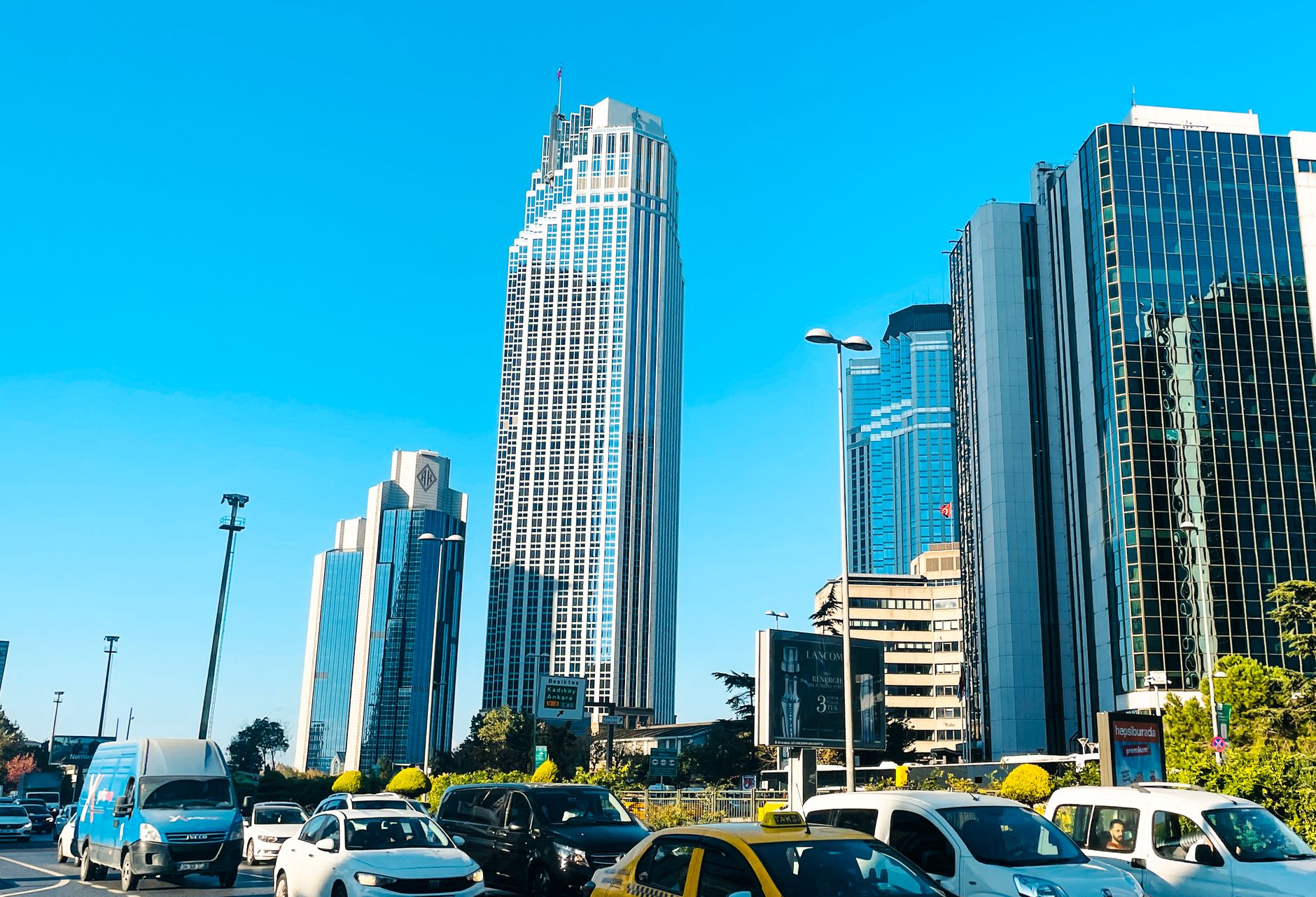
Istanbul's tourism recovery has accelerated dramatically over the past two years, and nowhere is this more visible than in the city's shifting employment landscape. Hotels, restaurants, and tour operators across Sultanahmet, Beyoğlu, and Galata are competing fiercely for skilled staff, fundamentally altering how locals approach career development and workforce planning.
Industry data shows visitor arrivals to Istanbul reached 14.7 million in 2025, representing a 22 per cent increase from 2023. This surge has created unprecedented demand for multilingual hospitality professionals, digital tour guides, and customer service specialists. Hotels along the Golden Horn and boutique properties in Balat neighbourhoods report vacancy rates of 8-12 per cent for management positions—well above the national average of 4 per cent.
The ripple effects extend beyond five-star properties. Small family-run meyhanes in Cihangir, artisanal shops along İstiklal Caddesi, and emerging wellness centres near Ortaköy are all recruiting aggressively. Salary expectations for experienced hospitality staff have risen 18 per cent since 2024, according to local recruitment firms. A sommelier or restaurant manager in central Istanbul now commands starting salaries comparable to mid-level corporate positions in finance or technology—a dramatic shift in perceived career prestige.
Language capability has become a critical differentiator. Turkish hospitality schools report enrolment in English and German programmes has doubled. The Istanbul Chamber of Commerce has partnered with vocational training centres to fast-track certification in customer-facing roles. Mandarin and Arabic speakers now command premium placement fees.
However, talent acquisition remains uneven. While established luxury hotels on the Asian side of the Bosphorus maintain stable teams, newer boutique properties and mid-range hotels struggle with turnover rates exceeding 35 per cent annually. Remote work flexibility—now common in tech and finance sectors—remains rare in hospitality, creating friction as younger professionals weigh career options.
The trend has also sparked entrepreneurial responses. Co-working spaces in Şişli are now hosting hospitality tech startups focused on staff management and guest experience platforms. Local universities including Boğaziçi and Koç are expanding tourism management programmes to meet demand from both employers and aspiring professionals.
For Istanbul's broader economy, this reshaping poses strategic questions. While tourism creates immediate employment, seasonal volatility and lower wage ceilings compared to other sectors may limit long-term talent retention. City planners and business leaders are increasingly focused on transforming tourism jobs from temporary work into sustainable, high-skill careers that anchor Istanbul's competitive workforce advantage.
This article was compiled by AI from the sources linked above and screened before publishing. See our editorial standards.