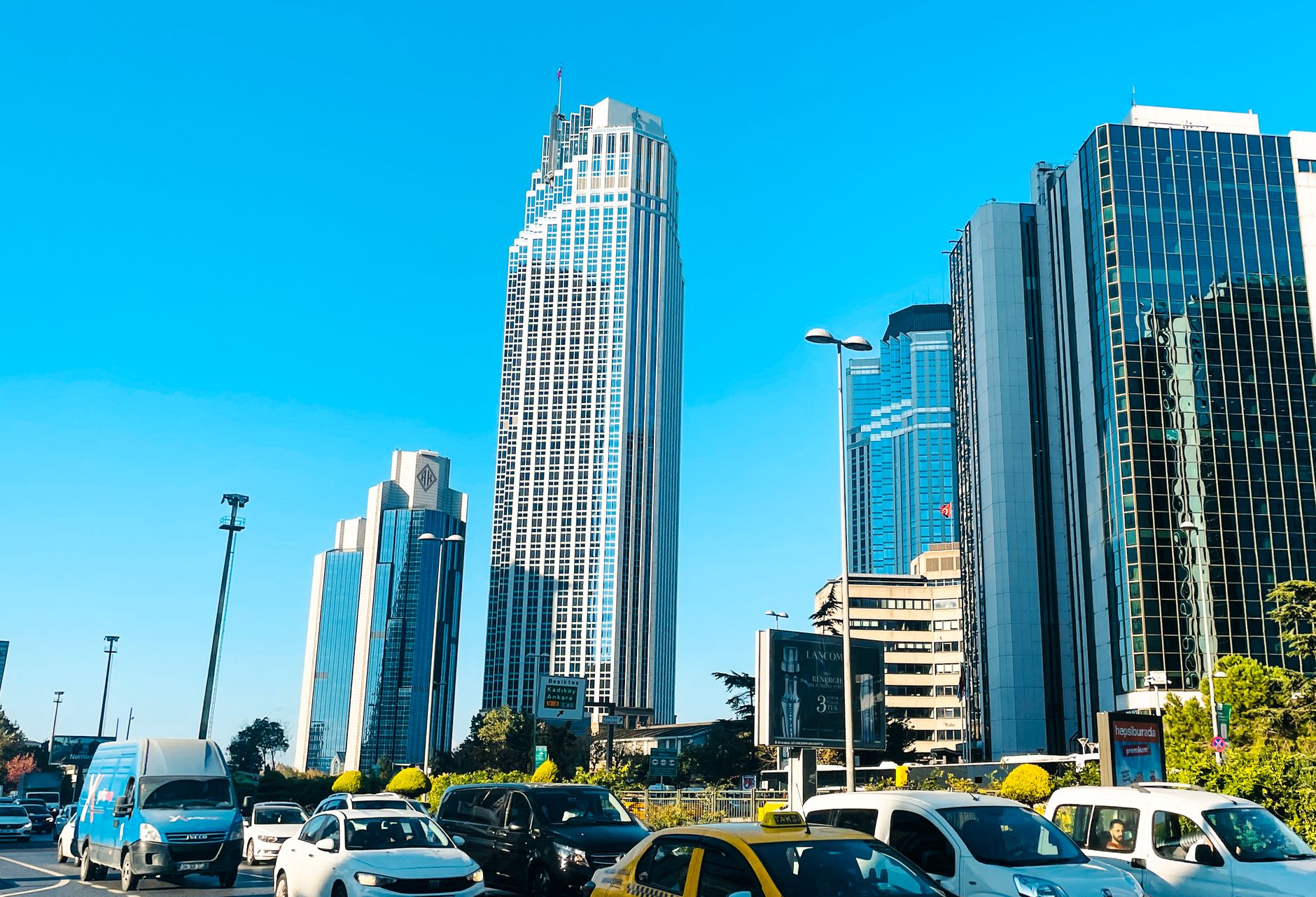
Istanbul's commercial property market is experiencing a critical transition as businesses reassess their real estate strategies in the face of persistent inflation and evolving workplace demands. The transformation is reshaping everything from Levent's gleaming office towers to the emerging tech hubs sprouting across Beşiktaş and Maslak.
The numbers tell a story of constraint followed by recalibration. Prime office rents in Levent and Maslak have stabilized around $45-55 per square metre annually—up from pre-pandemic levels but plateauing as landlords grapple with reduced tenant demand. Simultaneously, secondary markets are attracting unexpected interest. Neighborhoods like Beşiktaş and the Taksim corridor are seeing renewed activity as companies seek more affordable alternatives to traditional financial district strongholds. Several multinational firms have recently relocated back-office operations to these areas, drawn by lower occupancy costs and improved transport links via the metro expansion.
The hybrid work revolution continues reshaping space requirements. Rather than the wholesale office abandonment some predicted, companies are recalibrating rather than retreating. Many organizations now occupy 30-40 percent less square footage per employee than in 2019, favoring modern, flexible spaces over sprawling traditional layouts. This has created a two-tier market: newer buildings with agile floor plans command strong interest, while older structures with fixed layouts struggle for tenants.
Financing dynamics are equally consequential. Turkish interest rates remain elevated, pushing capitalization rates higher and making property development economics tighter. Developers are approaching new projects with greater caution, particularly for speculative office construction. This supply constraint could eventually support existing asset values, but the transition period remains uncertain.
Several trends warrant close attention. First, sustainability credentials are becoming non-negotiable for premium-segment tenants. Buildings with energy efficiency certifications and modern climate systems attract growing interest from multinational corporations. Second, location flexibility is increasing—remote-capable companies show less attachment to prestigious addresses, creating openings for competitively-priced alternatives. Third, shorter lease terms are becoming normalized, with many companies opting for 3-5 year agreements rather than traditional 10-year commitments, reflecting ongoing uncertainty.
For businesses evaluating Istanbul office space, the current environment offers strategic advantages to those willing to move quickly. Landlords increasingly receptive to negotiations, and well-located secondary properties offer genuine value. However, the window for favorable terms may narrow if economic conditions improve and new supply constraints bite.
The message is clear: businesses must move beyond automatic renewal and genuinely reassess their spatial needs. The Istanbul market is rewarding strategic, data-driven decisions while penalizing passive approaches.
This article was compiled by AI from the sources linked above and screened before publishing. See our editorial standards.