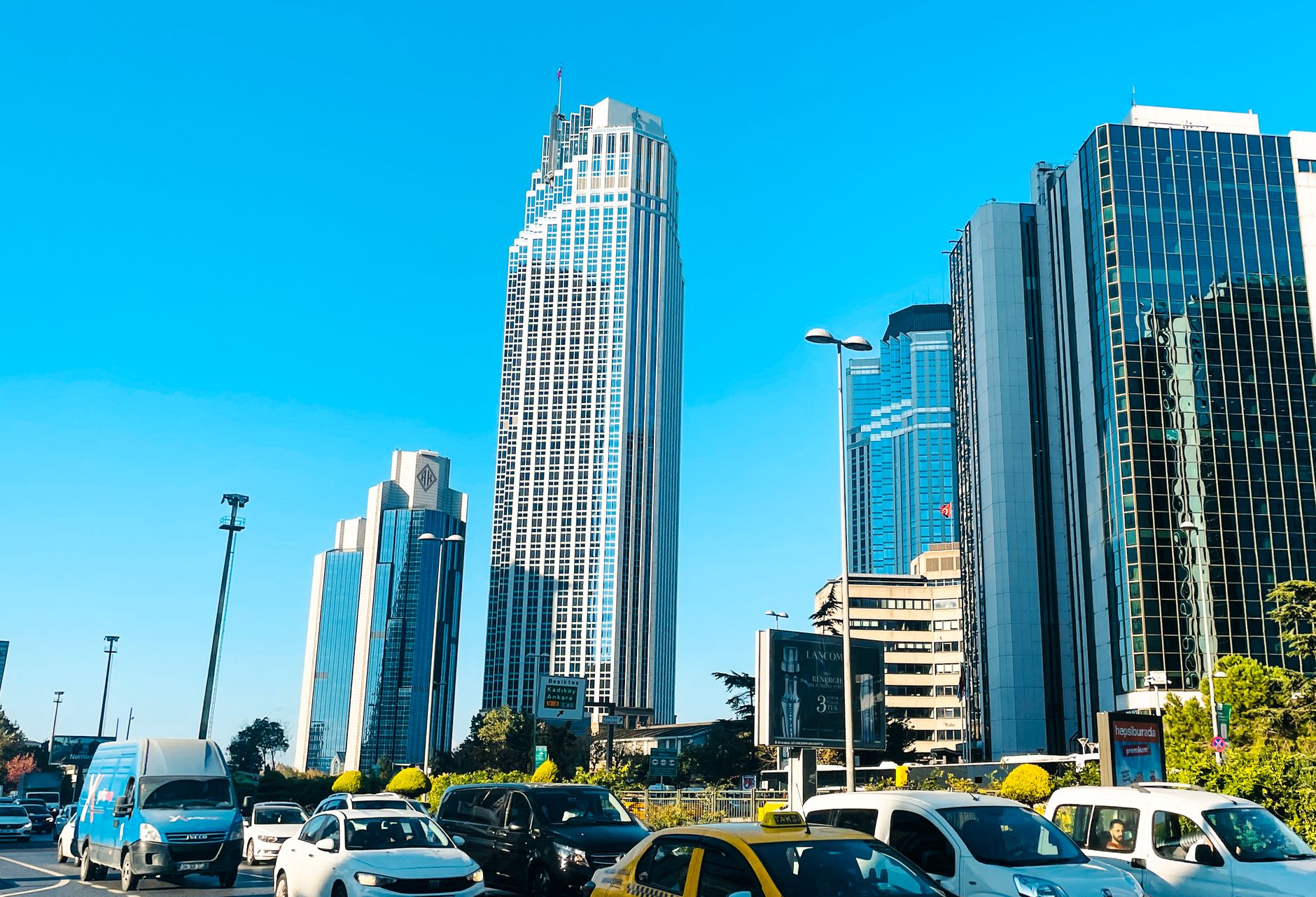
Walk through the narrow streets of Balat or Cihangir on any weekday morning, and you'll see the visible markers of Istanbul's entrepreneurial transformation: pop-up concept stores, co-working spaces tucked into converted Ottoman buildings, and independent digital agencies operating from modest storefronts. What began as a trickle of young professionals leaving corporate positions has become a sustained wave reshaping how the city's job market operates.
Data from the Istanbul Chamber of Commerce suggests that micro-enterprises—businesses with fewer than 10 employees—have grown by 34 per cent over the past three years, with particular concentration in the tech, creative, and hospitality sectors. This expansion is fundamentally altering talent dynamics in ways traditional employers are scrambling to address.
The shift is most visible in neighbourhoods like Beyoğlu, where rents have climbed to between 8,000 and 15,000 Turkish lira monthly for modest office spaces, yet young founders continue investing. These entrepreneurs aren't simply creating jobs; they're establishing new expectations about workplace flexibility, skill development, and career progression. Unlike the structured hierarchies of multinational corporations headquartered in Levent or Maslak, micro-businesses offer rapid skill acquisition, ownership stakes, and the ability to shape company direction—incentives proving increasingly attractive to Istanbul's talent pool.
The talent market consequences are significant. Major corporations report increased difficulty recruiting mid-level managers and specialists, particularly those aged 25 to 35. Istanbul's Bilgi University and Sabancı University are fielding more inquiries from startups seeking partnership on internship programmes, suggesting the city's education institutions are adapting to this new demand.
Yet challenges remain. Most micro-enterprises lack formal HR infrastructure and struggle with cash flow volatility, making sustained employment uncertain. Social security contributions and formal contracts often lag behind what established firms provide. Still, the ecosystem is maturing. Organisations like the Istanbul Development Agency are increasingly supporting small business growth, while networking venues along Istiklal Avenue and Kadıköy's waterfront have become informal talent markets where founders recruit and employees network.
Perhaps most significantly, this trend is democratising career paths. Rather than viewing upward mobility as dependent on joining a prestigious corporate ladder, thousands of Istanbul professionals now see entrepreneurship as a legitimate—sometimes preferable—route. For the city's economy, this represents both opportunity and disruption: an energised entrepreneurial class driving innovation and employment, while established firms grapple with talent retention and the emergence of a more mercurial, opportunity-driven workforce.
This article was compiled by AI from the sources linked above and screened before publishing. See our editorial standards.