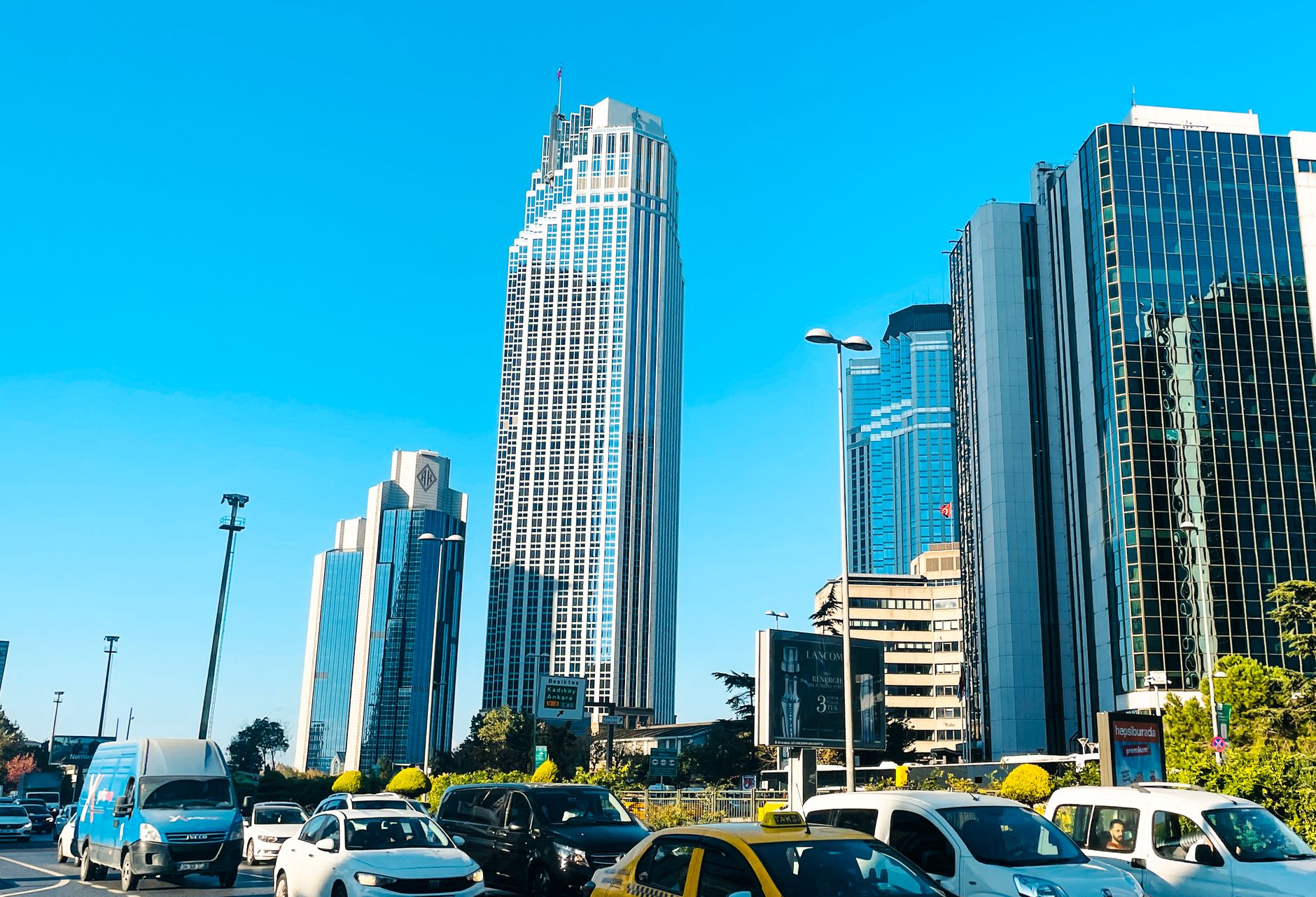
The past eighteen months have seen a quiet revolution in Istanbul's trading floors. While Western markets grapple with supply chain uncertainty following renewed tensions in the Middle East and Central Asia, Turkey's largest city is experiencing a renaissance as a logistics and trading hub. The question now circulating among business circles from Beyoğlu to Eminönü is simple: who is positioning themselves to profit?
Data from the Istanbul Chamber of Commerce suggests container traffic through the Port of Ambarlı increased 23 percent year-over-year, with particular growth in re-export operations. Trading companies handling goods between Europe, Asia, and the Middle East report profit margins have expanded by an average of 15-18 percent compared to 2024—a significant jump in an industry accustomed to thin margins.
The winners so far are specialized logistics operators and trading houses with established relationships spanning three continents. Firms clustered around the Zeytinburnu and Bakırköy industrial zones report unprecedented demand for customs brokerage and documentation services. "We're processing 40 percent more shipments than we were two years ago," one veteran trader in the Spice Bazaar district noted in recent conversations with colleagues. "But only if you've got the relationships already in place."
Smaller operators face steeper challenges. A mid-sized trading company based near Sultangate estimates setup costs for new trade routes at 150,000 to 200,000 Turkish Lira—capital increasingly difficult to secure as banks tighten lending criteria. This has created a two-tier market: established trading houses accumulating market share, while ambitious startups struggle to gain footing.
The opportunity extends beyond traditional goods. Istanbul's technology and fintech sectors are experiencing spillover effects, with blockchain-based shipping documentation firms attracting investment from venture capital funds in Levent and Maslak. These companies are targeting the friction points in Istanbul's current trading infrastructure—slow customs clearance, fragmented documentation systems—that entrepreneurs see as ripe for digital disruption.
International observers point to Istanbul's geographic position as non-negotiable: straddling Europe and Asia, with easy access to the Black Sea and Mediterranean. Yet proximity alone doesn't guarantee prosperity. Success requires the networks, capital, and regulatory savvy that only established players currently possess in abundance.
For Istanbul's business community, the current moment represents both opportunity and warning. The logistics boom is real. But the spoils, at least for now, are flowing disproportionately to those who were already positioned to catch the wave.
This article was compiled by AI from the sources linked above and screened before publishing. See our editorial standards.