Istanbul's Office Market Shifts: What Businesses Must Know Right Now
Rising demand in emerging districts and hybrid work patterns are reshaping where companies choose to establish themselves across the city.
Rising demand in emerging districts and hybrid work patterns are reshaping where companies choose to establish themselves across the city.
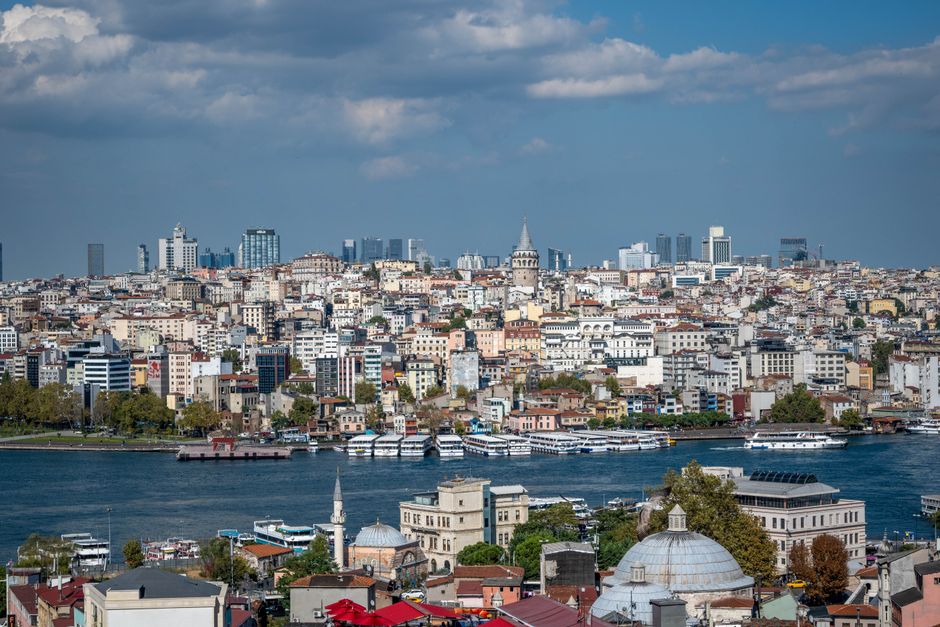
Istanbul's commercial property landscape is undergoing significant transformation as companies reassess their real estate strategies amid changing work patterns and evolving neighbourhood dynamics. For business leaders and property decision-makers, understanding these shifts has become essential to remaining competitive.
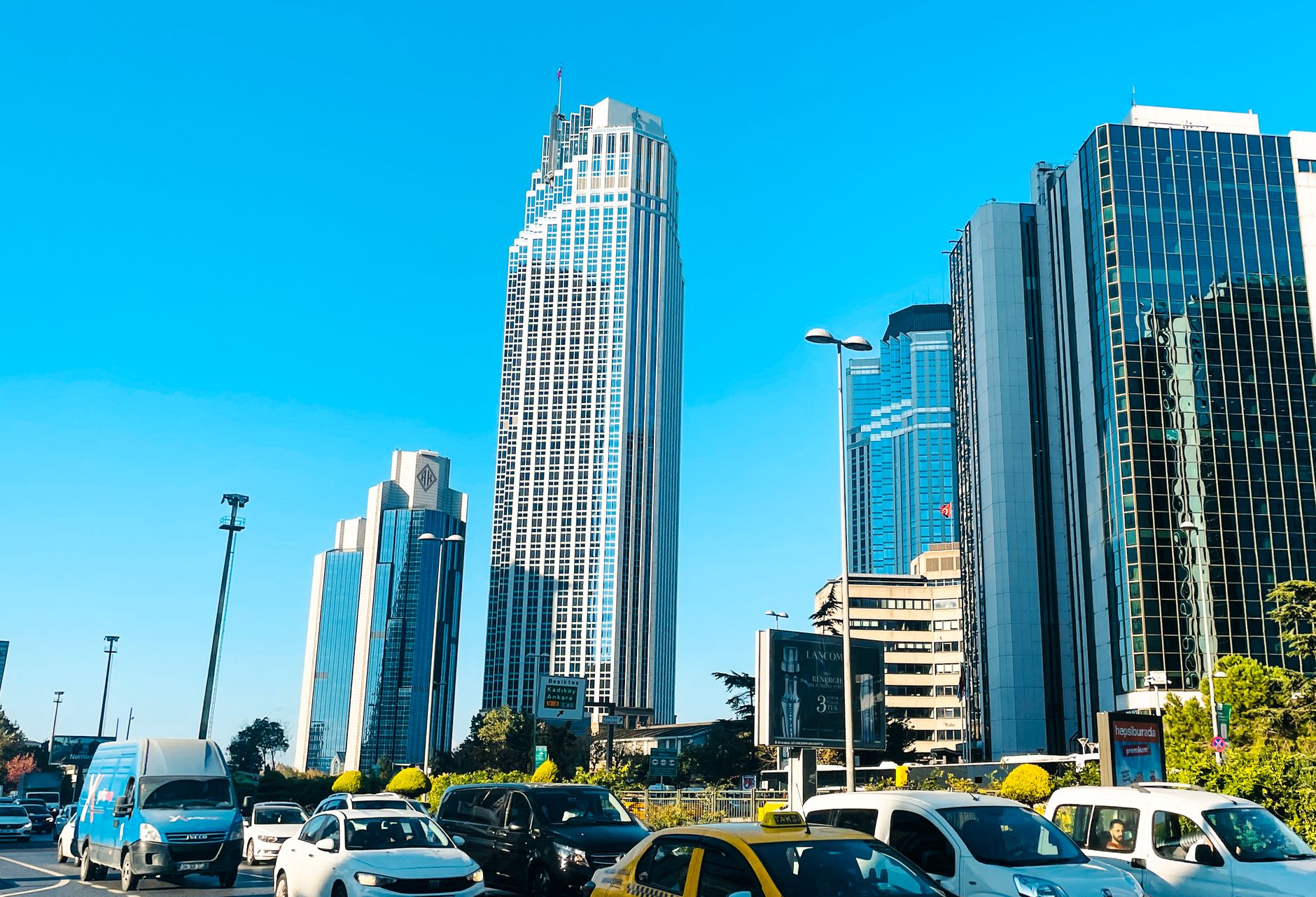
The traditional dominance of Maslak's glass towers continues to face pressure from emerging alternatives. While this northern corridor remains prestigious, rental rates have stabilised at around $35-40 per square metre annually, reflecting growing competition from secondary locations. Levent and Beşiktaş maintain their appeal for corporate headquarters, but savvy businesses are increasingly exploring Şişli and Mecidiyeköy, where comparable spaces command 15-20% lower premiums.
Perhaps the most significant trend reshaping the market is the hybrid work revolution's lasting impact. Companies are downsizing headcount-to-square-metre ratios, moving away from the spacious open plans that dominated the 2010s. This is creating unusual opportunities: premium Taksim-adjacent offices are experiencing higher vacancy rates, while flex-space providers continue expanding capacity. Industry analysts note that coworking operators have added roughly 45,000 square metres of managed workspace across the city since 2024.
Beyond the European side, Anatolian commercial hubs are gaining traction. The Pendik-Kartal corridor, once considered peripheral, now attracts logistics and tech companies seeking lower overheads and proximity to Asia. Rental rates here hover around $12-15 per square metre—a compelling differential for cost-conscious firms, particularly startups and manufacturing operations.
Sustainability has emerged as more than a buzzword. New developments in Ataşehir and around the Bosphorus increasingly feature LEED certification and green building standards, reflecting tenant preferences and investor demand. Older buildings lacking energy efficiency retrofits face longer vacancy periods, signalling that future-proofing is no longer optional.
The current environment favours tenants. Landlords, facing extended vacancy periods in premium districts, are offering flexible lease terms and rent-free periods to secure long-term occupants. However, this buyer's market may not persist indefinitely—analysts anticipate tightening supply in 2027 as recent speculative construction winds down.
For businesses making location decisions, the advice remains clear: assess your genuine space requirements honestly, consider emerging neighbourhoods with improving infrastructure, and negotiate aggressively on lease terms while conditions favour tenants. The days of reflexively choosing Maslak for prestige alone are fading; success now demands strategic, data-driven decisions tailored to actual operational needs.
This article was compiled by AI from the sources linked above and screened before publishing. See our editorial standards.
How does this story make you feel?
Spread the word
About this article
Published by The Daily Istanbul
Daily brief
Free, in your inbox before 7am. Weekdays.
More in Business