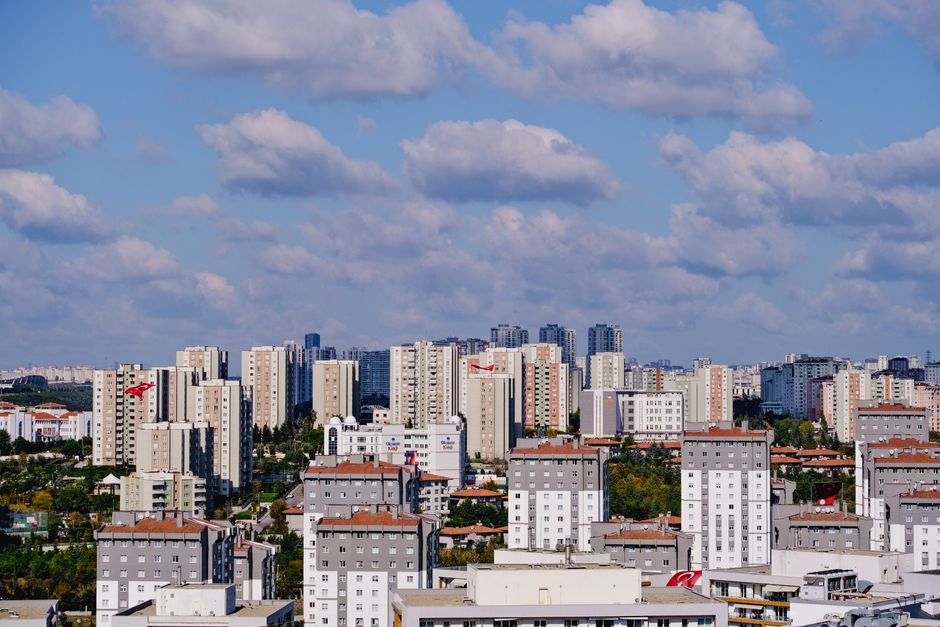
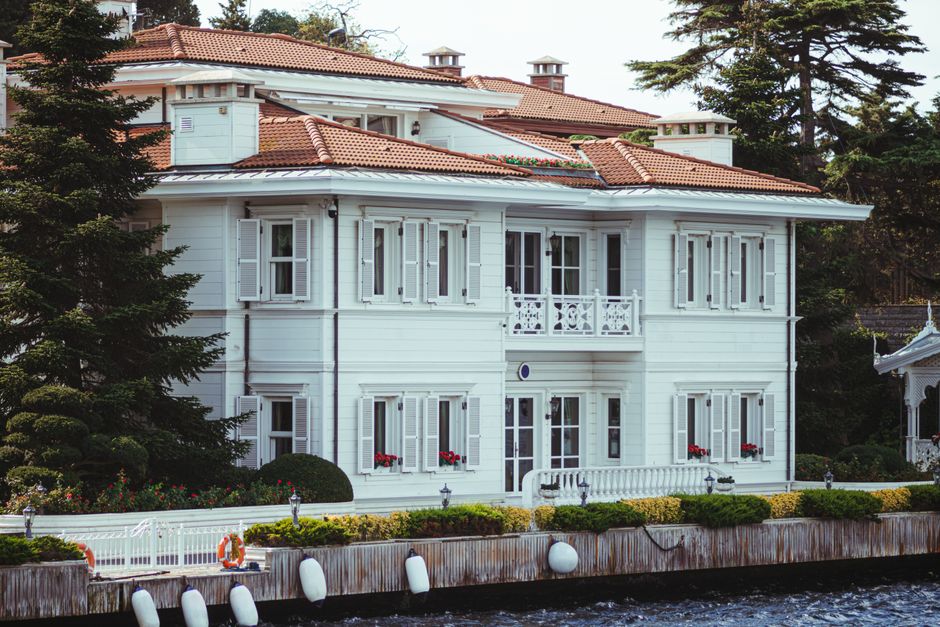
Kağıthane municipality confirmed last week that it had approved construction permits for three additional mixed-use towers along the Kağıthane-Şişli corridor, bringing the total number of active large-scale residential permits in the district to eighteen since the start of 2026. The projects — clustered around Merkez Mahallesi and the remodelled Çağlayan axis — add roughly 4,200 units to a pipeline that analysts at Istanbul-based property consultancy Hedef Gayrimenkul say will reshape the district's skyline within 36 months.
Timing matters here. Istanbul's prime neighbourhoods — Beşiktaş, Beyoğlu, Nişantaşı — are averaging USD 3,800 per square metre for new stock, and foreign buyers holding euros or dollars are being squeezed out of those postcodes faster than at any point in the past four years. The Turkish lira's continued depreciation against hard currencies has made Istanbul cheap in dollar terms, but not everywhere equally. Kağıthane, sitting inside the third ring road and twenty minutes by metro from Taksim Square on the M7 line, offers what the premium districts no longer can: new build at scale, at a price point that still pencils out for citizenship-by-investment applicants who need to hit the USD 400,000 threshold under the current programme rules.
Where the Cranes Are Going Up
The most active stretch right now runs along Hamidiye Caddesi, where three developers — including Kalyon İnşaat, which delivered the Kalyon Park complex on the city's European waterfront in 2023 — have broken ground or are weeks from doing so. Further north, near Gültepe, a joint venture between a Qatari fund and a local developer received environmental clearance in May for a 780-unit tower with a projected completion date of Q3 2028. The project's marketing materials, reviewed by The Daily Istanbul, list starting prices at USD 2,150 per square metre — a discount of roughly 40 percent against comparable new stock in Şişli's Mecidiyeköy submarket directly to the south.
Kağıthane's transformation has an institutional anchor: the district houses the Turkish Revenue Administration's regional headquarters and several ministry annexes, which seeded a white-collar commuter base that developers are now building for directly. The Vadistanbul shopping and office complex, straddling the Kağıthane-Sarıyer boundary on Ayazağa Mahallesi, generated roughly 12,000 daily footfall visits in 2025 according to figures published by its operator Zorlu Holding, and its gravitational pull on surrounding residential values has been measurable. Apartments within 500 metres of the complex traded at an average of USD 2,400 per square metre in Q1 2026, compared with USD 1,950 per square metre for the broader district, according to data from Endeksa's quarterly Istanbul report.
Risks Buyers Should Not Ignore
The pipeline is real, but so are the friction points. Kağıthane sits partially within a designated earthquake risk zone under Istanbul Metropolitan Municipality's 2023 Urban Transformation Master Plan, and at least two of the eighteen permitted projects are subject to enhanced soil survey requirements that have delayed groundbreakings elsewhere in the city by six to fourteen months. Buyers relying on citizenship-by-investment timelines — the programme requires title deed transfer within a specific window — should verify permit status directly with the Kağıthane İlçe Belediyesi planning office before committing funds. Several developers marketing pre-sales in the district are selling off approved drawings, not poured foundations.
For investors who do their homework, the entry window looks narrow. The Çağlayan courthouse complex expansion, approved by the Justice Ministry in April, will bring an estimated 3,500 additional civil servants and legal professionals into the district by 2027, compressing rental yields in the short term before vacancy rates tighten. Neighbouring Şişli saw a comparable dynamic around 2019 and 2020 following the Levent financial district's eastward sprawl; Kağıthane's fundamentals today look similar. Buyers who secured units in Şişli at that stage are now sitting on 60 to 70 percent dollar-denominated gains. Whether Kağıthane replicates that trajectory depends partly on infrastructure delivery — the long-delayed İkitelli-Gayrettepe metro extension, which passes through the district, has a revised opening target of mid-2027 — and partly on whether Istanbul's broader construction pipeline keeps outrunning demand. Right now, in this one pocket of the city, demand appears to be winning.