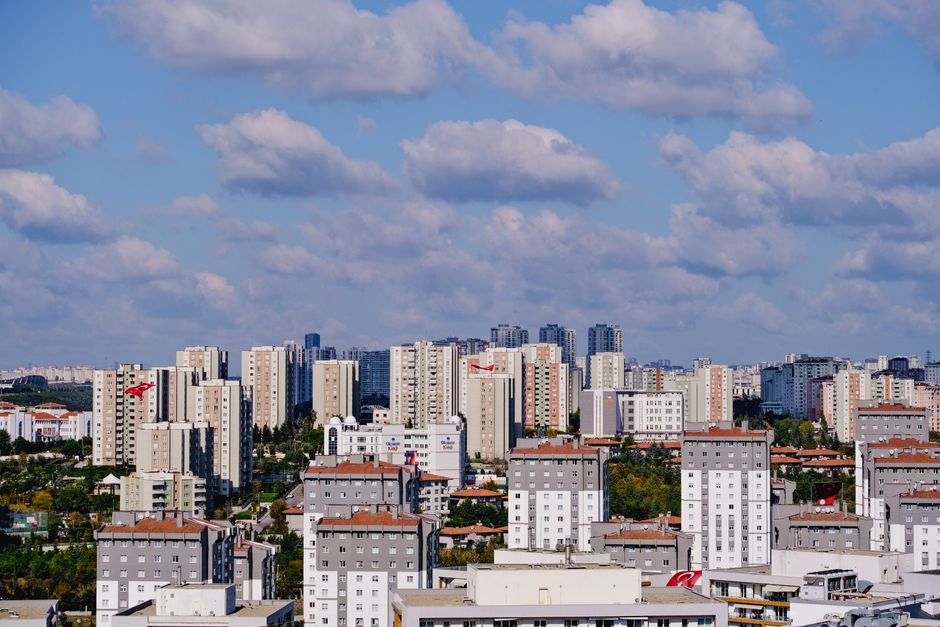
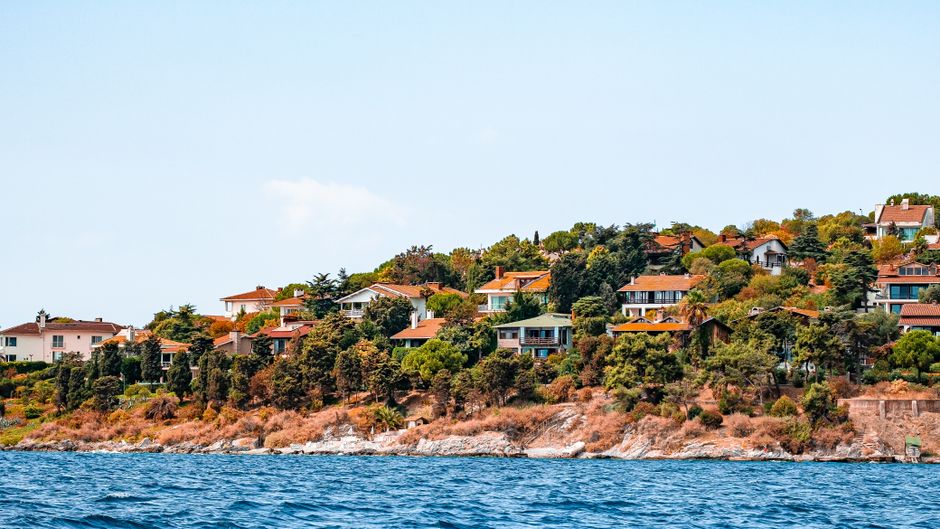
Istanbul's Hot Neighbourhoods: What Is Driving Prices and What Buyers Need to Know Now
From Kadıköy's café-lined backstreets to Şişli's new-build towers, Istanbul's property market is splitting into winners and losers—and the gap is widening fast.
From Kadıköy's café-lined backstreets to Şişli's new-build towers, Istanbul's property market is splitting into winners and losers—and the gap is widening fast.
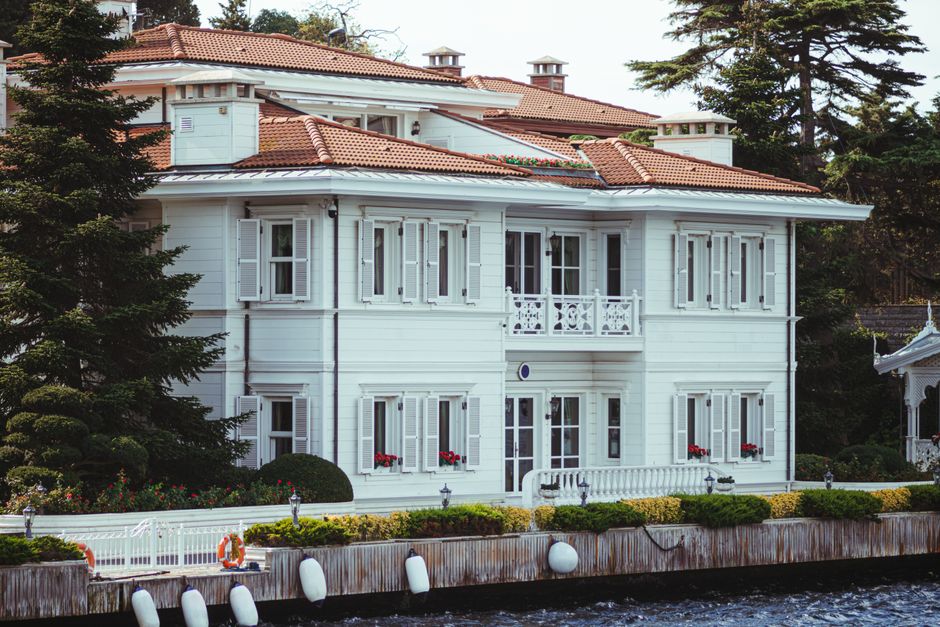
Istanbul's average residential price has held at roughly $2,500 per square metre in dollar terms through the first half of 2026, but that headline figure conceals a market fracturing violently along neighbourhood lines. Buyers who picked the right district a year ago are sitting on gains of 18 to 25 percent in lira-adjusted terms. Those who didn't are learning an expensive lesson about Istanbul's hyper-local dynamics.
The stakes are higher now than at almost any point in the past decade. Turkey's citizenship-by-investment threshold—still anchored at $400,000 for a qualifying residential purchase—continues to pull capital from the Gulf states, Central Asia and, increasingly, Iranian buyers watching political upheaval at home following the death of Ayatollah Khamenei. That external demand is landing unevenly. It concentrates in a handful of postal codes and leaves others almost untouched, which is exactly why neighbourhood-level analysis matters so much right now.
Kadıköy, on the Asian side, has quietly become the city's most competitive market for sub-$300,000 apartments. The neighbourhood around Moda Caddesi and the Bahariye pedestrian strip has seen per-square-metre asking prices climb to between $2,800 and $3,200 for renovated units, according to listings tracked on Emlakjet and Hepsiemlak through June 2026. Supply is the core problem: Kadıköy's building stock is predominantly pre-1980 construction, and the municipality's strict renovation rules under Istanbul Metropolitan Municipality's urban transformation programme have slowed new inventory to a trickle. Buyers competing here should expect sealed-bid situations and waived inspection periods on anything priced under $250,000.
Şişli is a different story and arguably the most interesting right now. The corridor running north from Osmanbey metro station toward Fulya has absorbed three major new-build completions since January, bringing roughly 340 units to market at prices between $3,100 and $3,900 per square metre. Developers including Kalyon Gayrimenkul and several mid-tier operators have targeted the citizenship-investment bracket directly, marketing finished apartments with TAPU deeds ready for same-week transfer. The surge in supply has actually softened asking prices by about 7 percent since March, handing negotiating power back to buyers for the first time in two years.
Beşiktaş and Beyoğlu remain the premium tier. An apartment on Abbasağa or within walking distance of Balmumcu commands $4,500 or more per square metre, and transactions there are largely cash-driven. Foreign buyers account for an estimated 22 percent of completed sales in those two districts over the past 12 months, according to data published by the Turkish Statistical Institute in its May 2026 property report.
Three practical realities define this market right now. First, the lira's continued volatility means dollar-denominated listings can shift by 8 to 12 percent in local currency between the moment a buyer makes an offer and the date of title transfer. Any purchase agreement should explicitly fix the dollar exchange rate at signing, not at closing—a clause that experienced Istanbul property lawyers at firms operating out of Levent's financial district will insist on as standard.
Second, earthquake compliance is no longer optional due diligence. Istanbul's updated seismic risk map, revised by the Disaster and Emergency Management Authority (AFAD) in late 2025, reclassified parts of Avcılar, Bağcılar and sections of the European shore along the Marmara as elevated-risk zones. Buildings without a current DASK earthquake insurance certificate and a recent structural assessment should be treated with scepticism regardless of price.
Third, the citizenship-investment pipeline is showing early signs of congestion. The Land Registry General Directorate processed a record 4,200 citizenship-qualifying transactions in the first quarter of 2026, up from 2,900 in Q1 2025. Processing times for the subsequent citizenship application have stretched to between seven and nine months. Buyers banking on a Turkish passport by a specific date need to factor that delay into their planning—and should verify with their legal representative that the specific property they are buying still meets the current valuation criteria, which the government updated in February 2026.
The bottom line is straightforward. Kadıköy rewards patience and local knowledge. Şişli rewards speed and negotiation. Beşiktaş rewards capital. Pick the wrong neighbourhood for your budget and your timeline, and Istanbul's market will not forgive the error.
How does this story make you feel?
Spread the word
About this article
Published by The Daily Istanbul
Daily brief
Free, in your inbox before 7am. Weekdays.
More in Property