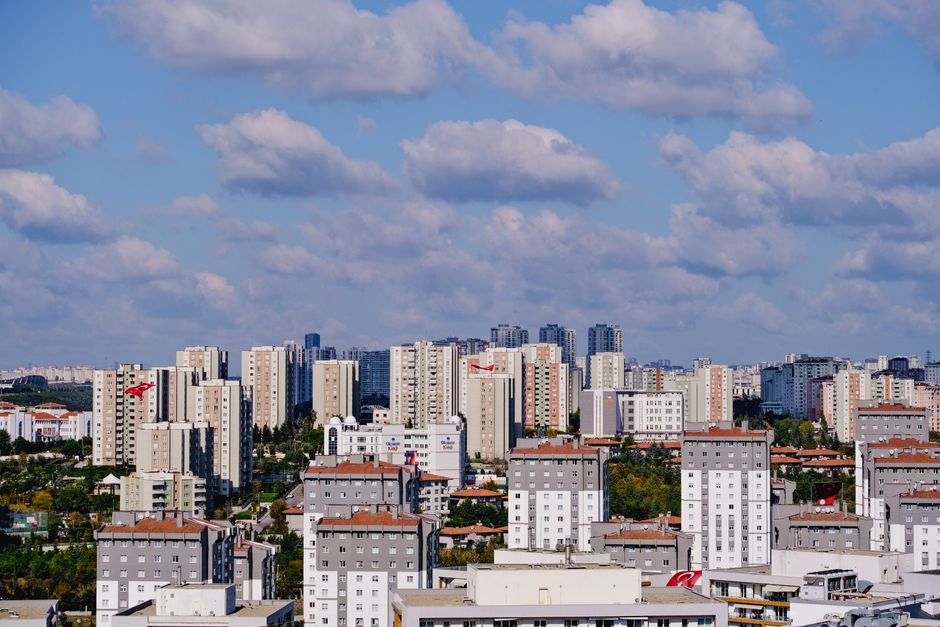
Bağcılar is generating gross rental yields between 7 and 8 percent annually, according to data compiled by Istanbul-based property consultancy Endeksa for the first half of 2026 — a figure that comfortably outpaces Beşiktaş at roughly 4.2 percent and Kadıköy on the Asian side at around 4.8 percent. For yield-focused investors, particularly those entering through Turkey's citizenship-by-investment program, the numbers are hard to ignore.
The timing matters. Turkey's citizenship threshold — requiring a minimum property purchase of $400,000 — has pushed foreign buyers toward higher-value assets in prestige districts, crowding out yield in places like Nişantaşı and Cihangir. Bağcılar sits below the glamour radar but above the return curve. Purchase prices there average roughly $1,100 to $1,300 per square meter, against Istanbul's city-wide average of $2,500 per square meter, while monthly rents for a standard 90-square-meter apartment have climbed to between 18,000 and 22,000 Turkish lira — pushed up by persistent inflation and an acute shortage of affordable stock across the metropolitan area.
Why Bağcılar, and Why Now
The district's fundamentals are blunt and unglamorous, which is precisely the point. Bağcılar sits at the junction of the E-5 highway and the Marmaray metro extension, putting it within 35 minutes of Taksim Square and under 20 minutes from the Mahmutbey logistics hub, one of Istanbul's largest employment centres. The Bağcılar-Kirazlı metro line, Line M3, connects the district directly to Bakırköy and onward to the city's main transit spine. Demand for rental accommodation is structural, not speculative — the district houses a dense concentration of textile workers, healthcare staff from Bağcılar Training and Research Hospital, and new arrivals from Anatolia who cannot yet absorb the rents demanded in Şişli or Güngören.
New supply is thin. Istanbul's construction boom has concentrated in Başakşehir and along the Northern Marmara Motorway corridor, leaving established Bağcılar neighbourhoods like Yenimahalle and Demirkapı with ageing stock and limited new development. That supply constraint is doing what supply constraints always do: holding rents firm while purchase prices lag the city average, compressing the denominator in the yield calculation.
Savills Turkey's Istanbul residential report from March 2026 noted that districts within the E-5 corridor posted average annual rent increases of 38 percent in 2025, outpacing the 29 percent increase recorded in Beşiktaş over the same period. The differential is partly explained by the base effect — rents in prestige districts had already overshot — but also by genuine demand pressure in working-class districts where the tenant pool is deep and churn is low.
What Investors Should Watch
The risks are real and worth naming. Bağcılar's rental market is denominated in lira, meaning dollar or euro-based investors absorb currency risk on the income side even as they benefit from lira weakness on acquisition. Investors using the citizenship-by-investment route need properties valued at a minimum of $400,000 for program eligibility, which typically means targeting newer or larger stock in Bağcılar's periphery rather than the older apartment blocks on Fevzi Çakmak Caddesi that generate the headline yields.
Property management is another practical consideration. Absentee landlords, particularly the Gulf and Central Asian buyers who have dominated Istanbul's foreign-buyer statistics since 2023, will need to engage a local yönetici or a management firm — companies like RE/MAX Turkey and Coldwell Banker Turkey both operate district-level offices and can handle tenant sourcing and maintenance on a fee basis of roughly 10 percent of monthly rent.
The practical advice for yield-seekers is simple: get the numbers checked by an independent değerleme uzmanı (valuation expert) licensed by the Sermaye Piyasası Kurulu, Turkey's capital markets regulator, before signing anything. Bağcılar's yield story is real, but it rewards buyers who do their homework over those who arrive chasing a headline figure. The district's best streets — Yıldız Tabur Sokak and the blocks immediately north of Bağcılar Metro Station — tend to transact quietly and quickly. Move slowly, and the deal is already gone.