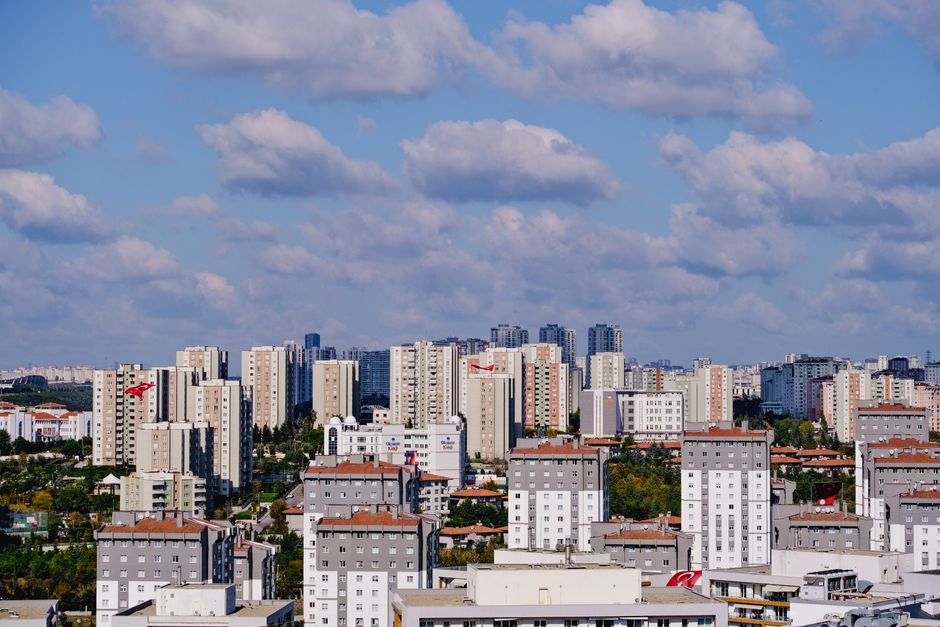
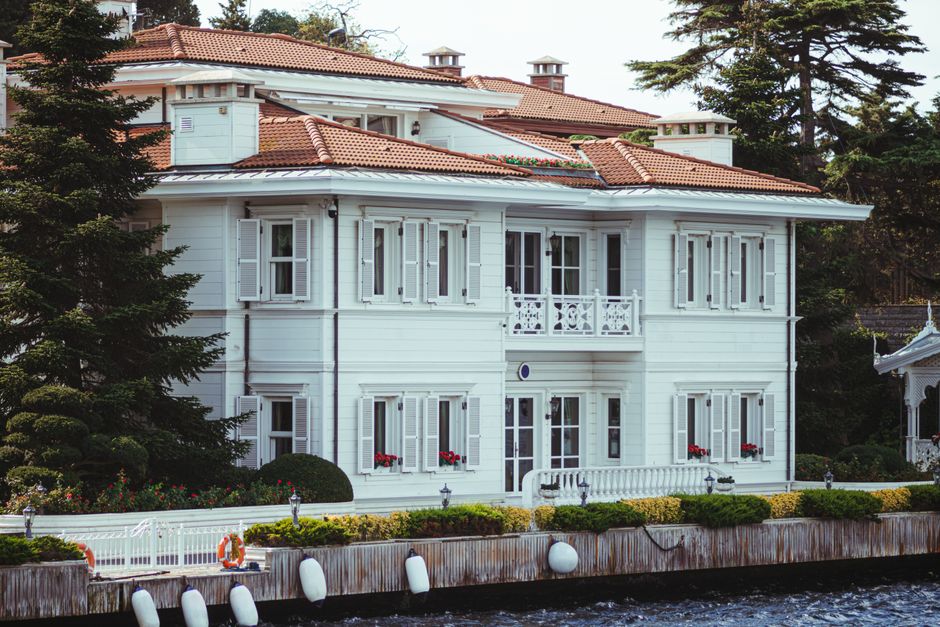
Istanbul's property auction market logged a clearance rate of 61 percent in the April-to-June spring window this year, according to figures compiled by Emlak Konut GYO, the state-backed real estate investment trust that runs the country's largest residential auction platform. That compares with a 34 percent clearance rate recorded across the December-to-February winter period. The gap — 27 percentage points — is the widest seasonal spread the trust has measured since it began publishing quarterly auction data in 2019.
The timing of this data matters. Turkey's central bank has held its benchmark rate at 42.5 percent since February, and while that has kept mortgage financing punishingly expensive for domestic buyers, it has simultaneously pushed more sellers toward auction as a faster route to liquidity. The result is that auction volumes are up, but participation quality is uneven — robust in spring, thin in winter. For foreign buyers chasing citizenship-by-investment thresholds, which currently require a minimum property purchase of $400,000, the auction channel has become a serious alternative to private treaty sales, particularly for units in the $450,000-to-$700,000 bracket in premium districts.
Where the Volumes Actually Land
Beyoğlu and Beşiktaş together accounted for 38 percent of all spring auction lots in the first half of 2026, a concentration that reflects their status as the city's most liquid premium markets. A single auction session held at the Hilton Istanbul Bosphorus convention centre in May offered 74 lots across six districts; 49 sold on the day, with the strongest bidding on two-bedroom units near Cihangir and on a commercial floor plate on Bağdat Caddesi on the Asian side in Kadıköy. The Kadıköy lots drew competitive bids from both domestic buyers and a cluster of registered foreign nationals — largely from Gulf states and Central Asia — who have been active since the citizenship-by-investment programme was restructured in late 2022.
Winter auctions tell a different story. The İstanbul Tapu ve Kadastro Müdürlüğü — the city's title deed and cadastre office — processes foreclosure-related auction listings year-round, but judicial auction sessions scheduled for January and February routinely see registered bidder numbers drop by 40 to 50 percent compared with equivalent spring sessions. Industry practitioners point to a combination of factors: the Kurban Bayramı and New Year holiday calendar, school-term disruptions for relocating families, and the straightforward reality that Istanbul's property viewing culture is intensely outdoor-dependent. Nobody wants to assess a rooftop terrace in Balat in February rain.
The Data Behind the Seasonal Divide
Long-run patterns confirm the split is structural, not incidental. Between 2020 and 2025, the average number of auction lots brought to market across Istanbul's 39 districts was 2,140 per quarter in spring versus 1,290 per quarter in winter — a 66 percent volume differential. Prices cleared at auction averaged $2,480 per square metre citywide in spring 2026, tracking closely with Istanbul's broader average of $2,500 per square metre. Winter clearances averaged $2,210 per square metre, partly because distressed stock — bank repossessions and judicial sales — makes up a larger proportion of winter listings and typically sells at a 10-to-15 percent discount to market.
Şişli is emerging as the district where this seasonal dynamic is most pronounced. The neighbourhood has absorbed significant new residential supply over the past three years, and auction managers report that spring sessions there now regularly hit 70 percent clearance, against winter figures that dip below 30 percent. That volatility makes it both a hunting ground for bargain-seekers in February and a seller's market by April.
For buyers targeting Istanbul auctions in the second half of 2026, the practical calculus is straightforward. The next concentrated auction window opens in September, when Emlak Konut GYO typically schedules its largest single-day sessions ahead of the fiscal year-end. Bidders who register before August 15 avoid a processing backlog that last year delayed foreign-national participation in three Beyoğlu sessions. Those willing to work the quieter December listings, meanwhile, will find less competition but should budget for a longer due-diligence process on title deeds — judicial sales in particular carry encumbrances that take time to clear through the Tapu Müdürlüğü system.