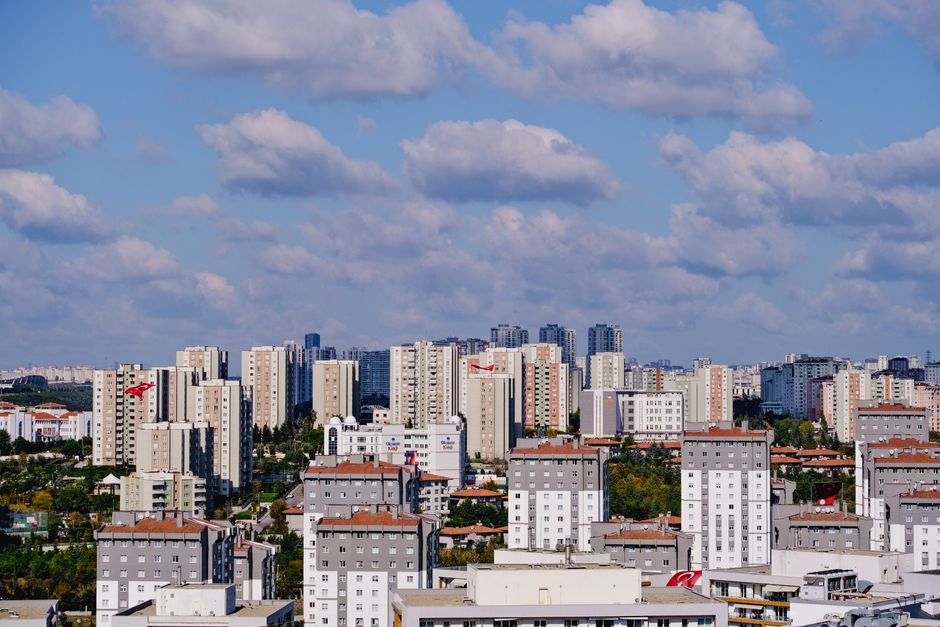
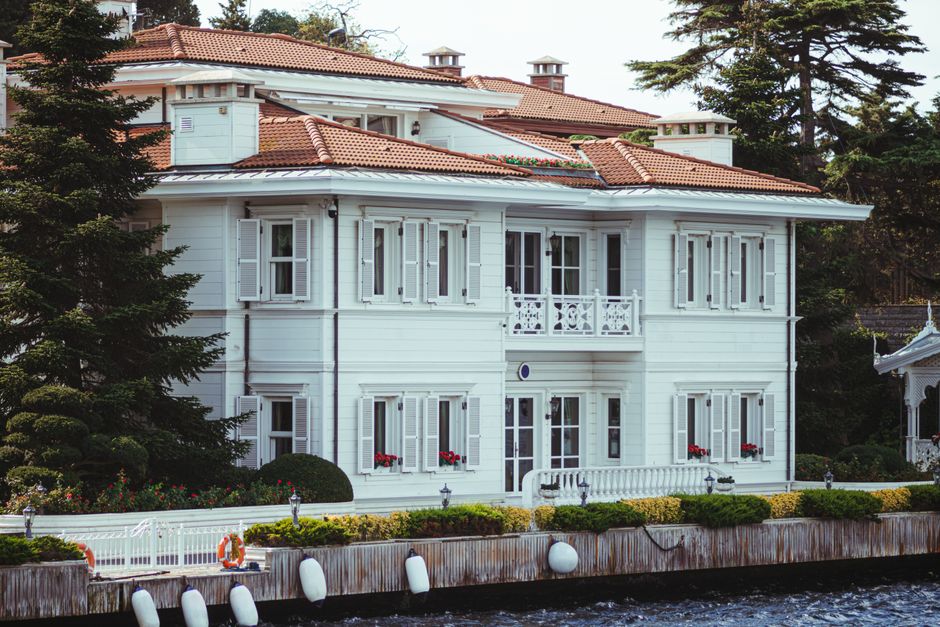
The numbers tell the story plainly. Istanbul's average residential sale price sits at roughly $2,500 per square metre citywide, but that figure conceals enormous variation — and it is the variation that is reshaping how middle-income households think about property ownership in 2026.
Rent-vesting, the strategy of deliberately choosing to rent your primary residence while using available capital to purchase an investment property elsewhere, has long been practised informally in Turkey. What has changed is the arithmetic. A sustained run of lira depreciation, the Central Bank of Turkey's gradual rate normalisation cycle that began in late 2023, and a foreign-buyer surge driven partly by the citizenship-by-investment programme — which still grants a Turkish passport to purchasers spending $400,000 or more — have combined to widen the gap between what Istanbulites aspire to live and what they can realistically afford to own.
The Beşiktaş Problem, and the Bağcılar Answer
Take a concrete example. A 90-square-metre flat on Süleyman Seba Caddesi in Beşiktaş — the kind of address that reliably commands premium rents from expats and young professionals — will cost a buyer somewhere between 380,000 and 420,000 dollars at current exchange rates. Monthly rental on that same flat runs between 1,800 and 2,200 dollars. The gross yield, in other words, sits below five percent before management fees, maintenance and the annual emlak vergisi property tax. Buying there doesn't pencil out for most local earners.
Move the purchase decision fifteen kilometres west, however, and the calculation changes. New-build one-bedroom units in Bağcılar and Bahçelievler — districts served by the M1A and M7 metro lines and within forty minutes of Taksim Square — are trading between 85,000 and 120,000 dollars. Monthly rents on comparable stock are holding between 500 and 650 dollars, implying gross yields of six to seven percent. A household that rents in Cihangir or Moda, keeps its lifestyle intact, and deploys its down payment capital into two smaller Bağcılar units rather than one unaffordable Beyoğlu flat ends up with a genuine asset base and positive monthly cash flow.
Şişli is another district producing this kind of tension. Bomonti's regenerated blocks and the streets around Nişantaşı push sale prices to 3,200 dollars per square metre and higher, but the rental market there has softened since mid-2025 as supply from new mixed-use towers caught up with demand. A renter in Şişli today is arguably in a stronger negotiating position than at any point in the previous three years.
What the Strategy Demands in Practice
Rent-vesting is not passive. It requires households to separate emotional attachment to a postcode from financial decision-making — easier said than achieved on the Bosphorus, where address carries social weight. It also requires discipline around mortgage structuring. Turkish banks currently price housing loans for locals at annual rates between 38 and 45 percent in lira terms, which makes leveraged purchase deeply expensive unless the buyer has substantial equity or dollar-denominated income. Foreign-currency earners, including the significant community of remote workers who have settled in Kadıköy's Moda and Fenerbahçe districts since 2022, are better positioned to absorb those costs or to purchase outright.
The Tapu ve Kadastro Genel Müdürlüğü — Turkey's land registry directorate — reported 142,000 residential property transfers in Istanbul alone during the first quarter of 2026, a figure that includes a record share of foreign buyers. That competition is precisely what is pricing local renters out of ownership in central districts, and simultaneously what is supporting rental yields in the fringe markets where rent-vesters are quietly accumulating.
For anyone considering the strategy, property consultants operating around the Gayrettepe business corridor recommend stress-testing purchase decisions against a yield floor of six percent gross and a vacancy assumption of two months per year. Identify the district you want to live in, negotiate hard on rent — landlords in Beyoğlu have more vacancy than they did eighteen months ago — and direct your capital to where the numbers work. The lifestyle and the asset portfolio do not have to occupy the same postcode.