Rate Cut Hopes Are Reshaping Istanbul's Property Market — But Not Evenly
Buyers are repositioning faster than sellers in a city where a single basis-point shift at the Central Bank can move millions of dollars in transaction volume overnight.
Buyers are repositioning faster than sellers in a city where a single basis-point shift at the Central Bank can move millions of dollars in transaction volume overnight.

Istanbul's residential property market entered July 2026 in a state of calculated hesitation. After the Central Bank of the Republic of Turkey held its policy rate at 42.5 percent through the first half of the year, growing consensus among economists that cuts are coming before the end of Q3 has pushed a measurable share of buyers off the sidelines — but only in specific pockets of the city, and only for specific product types.
The timing matters enormously. Turkey's mortgage market has been effectively frozen for domestic buyers since late 2023, with commercial bank lending rates running above 50 percent on housing loans. A credible rate-cut cycle — analysts at İş Bankası and Garanti BBVA have both floated scenarios involving 300 to 500 basis points of easing by December — would be the first meaningful reduction in borrowing costs in nearly three years. That prospect alone is changing how people shop for apartments.
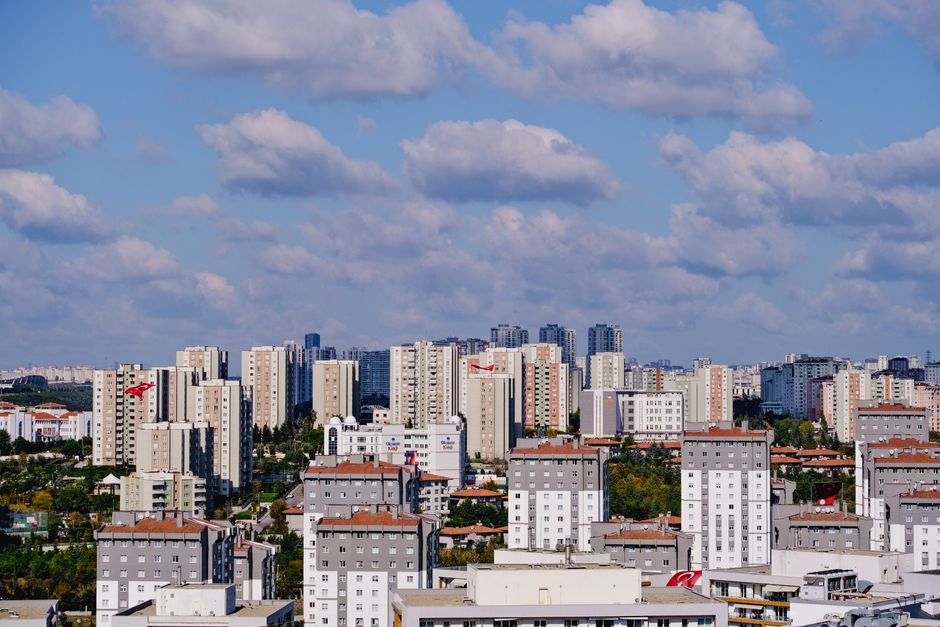
The clearest shift is playing out in Şişli and Kağıthane, two districts that have benefited from infrastructure upgrades along the M7 metro line. Developers on Büyükdere Caddesi are reporting an uptick in reservation agreements — contracts where buyers lock in a price today but delay completion financing by three to six months, essentially betting that loan costs will be lower by the time they need to draw down funds. One project near Levent Four Towers saw 14 such reservations signed in June alone, according to sales floor data shared with this newspaper.
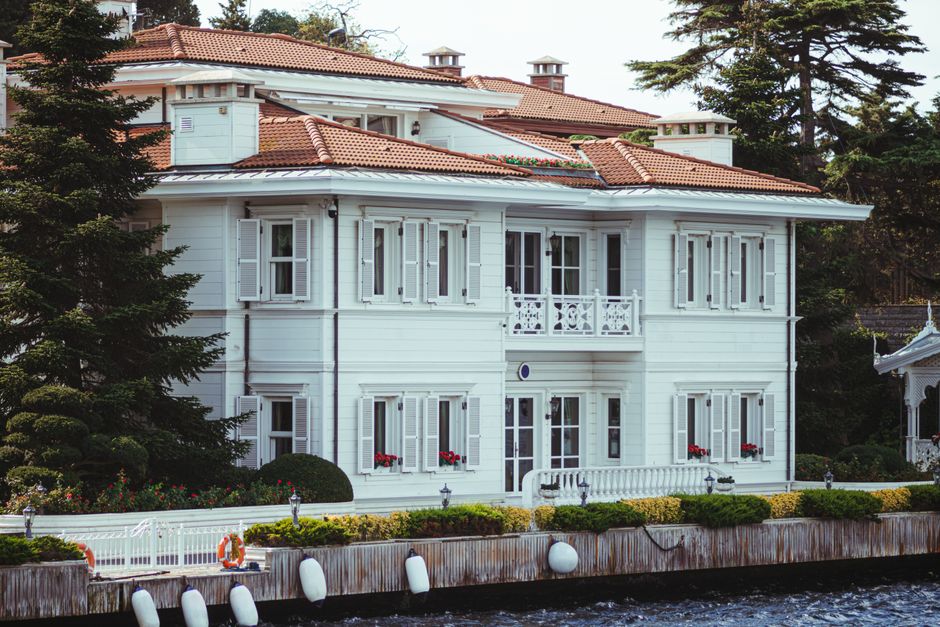
On the European side, Beyoğlu remains a premium play. Prices in restored apartments near Galata Tower have held above 4,200 USD per square metre, roughly 68 percent above the city's average of around 2,500 USD per square metre. These units move on cash or foreign-buyer financing, making them less sensitive to Central Bank signals. Beşiktaş is similarly insulated: second-hand stock along Barbaros Bulvarı rarely sits longer than three weeks before finding a buyer.
Kadıköy, on the Asian side, is showing the most nuanced behaviour. The district draws a younger demographic that is more likely to need mortgage financing. Agents working Moda and Fenerbahçe report that viewings have increased around 20 percent since April, but signed contracts have not kept pace — buyers are touring, shortlisting, and waiting. It is a pattern consistent with rate-anticipation behaviour documented in other high-inflation markets that preceded easing cycles.
Turkey's citizenship-by-investment programme, which requires a minimum real estate purchase of 400,000 USD, continues to function as a floor under premium pricing regardless of domestic rate expectations. Middle Eastern buyers — particularly from Iraq, Iran, and the Gulf states — remain active. The political uncertainty following Ayatollah Khamenei's death this week has, according to several Istanbul-based real estate lawyers, prompted a handful of Iranian nationals to accelerate purchases already in progress, concerned about potential capital controls at home.
Overall foreign buyer registrations in Istanbul reached 4,312 units in the first five months of 2026, according to data from the Turkish Statistical Institute (TÜİK), down about 9 percent from the same period in 2025 but still historically elevated.
For domestic buyers, the practical calculus is straightforward but uncomfortable. Locking in today means paying cash or absorbing punishing loan costs. Waiting carries the risk that sellers re-price upward the moment the Central Bank moves — a pattern Istanbul has replicated in each of the last two rate cycles. Developers in Kağıthane are already writing price escalation clauses into new presale contracts, indexing completion-stage pricing to a basket of construction costs and the USD/TRY exchange rate.
The next Monetary Policy Committee meeting is scheduled for July 24. If the bank delivers even a symbolic 100-basis-point cut, agents and developers expect the reservation-to-signature conversion rate to jump sharply within days. Buyers who have done their due diligence and secured financing pre-approvals — even at today's rates — will be positioned to move quickly. Those still browsing Zillow Turkey equivalents on a Thursday night may find themselves competing for fewer units at higher prices by September.
How does this story make you feel?
Spread the word
About this article
Published by The Daily Istanbul
Daily brief
Free, in your inbox before 7am. Weekdays.
More in Property