At least seven major luxury residential schemes broke ground or secured planning approval in Istanbul during the first half of 2026, according to data compiled by the Turkish Real Estate Investment Association (GYODER). The projects, concentrated in Beşiktaş, Sarıyer and the rapidly densifying Ataşehir corridor on the Asian side, represent a combined declared investment of roughly 4.2 billion Turkish lira. The city's high-end market is not cooling. It is accelerating.
The timing matters. With Ayatollah Khamenei's funeral drawing enormous crowds in Tehran this weekend, Gulf-based wealth managers are watching the region carefully, and Istanbul — a perennial safe-harbour for capital fleeing political uncertainty — is once again on their shortlists. Turkey's citizenship-by-investment programme, which grants a passport to buyers who spend at least $400,000 on real estate, logged 2,340 approved applications in the first quarter of 2026 alone, up 18 percent year-on-year. Developers know that number. Their marketing brochures are printed in Arabic, Farsi and Russian for a reason.
The Projects Reshaping the Skyline
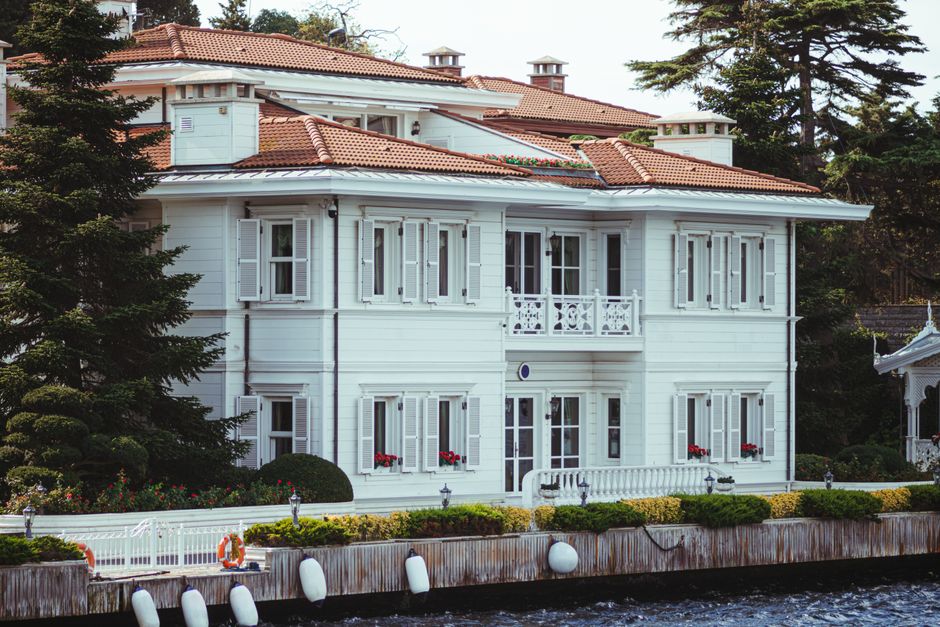
The most closely watched scheme is Maçka Residences Tower B, a 38-storey glass-and-concrete addition to the established Maçka district of Beşiktaş, where asking prices for comparable units have already cleared $6,500 per square metre — more than double Istanbul's city-wide average of $2,500 per square metre. The developer, Alarko Gayrimenkul, is targeting completion by the third quarter of 2028 and has positioned the project squarely at foreign passport buyers and returning Turkish diaspora from Germany and the Netherlands.
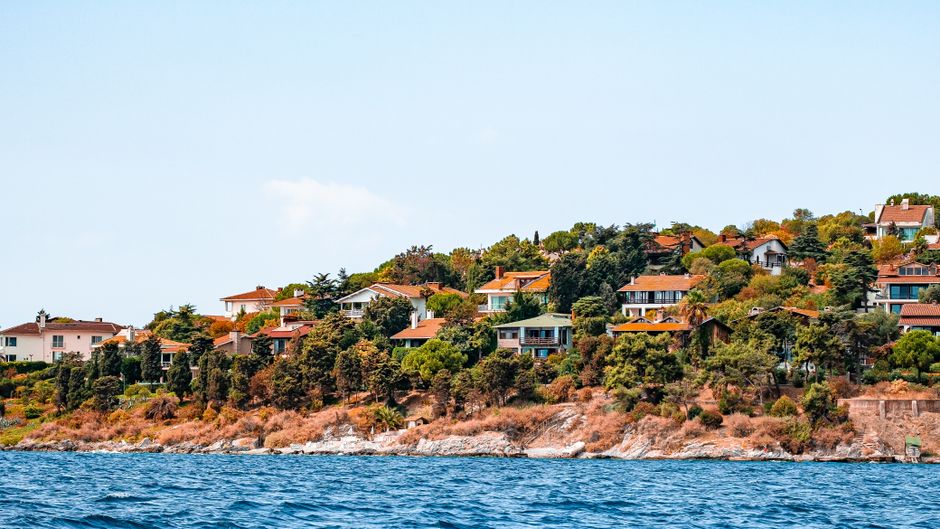
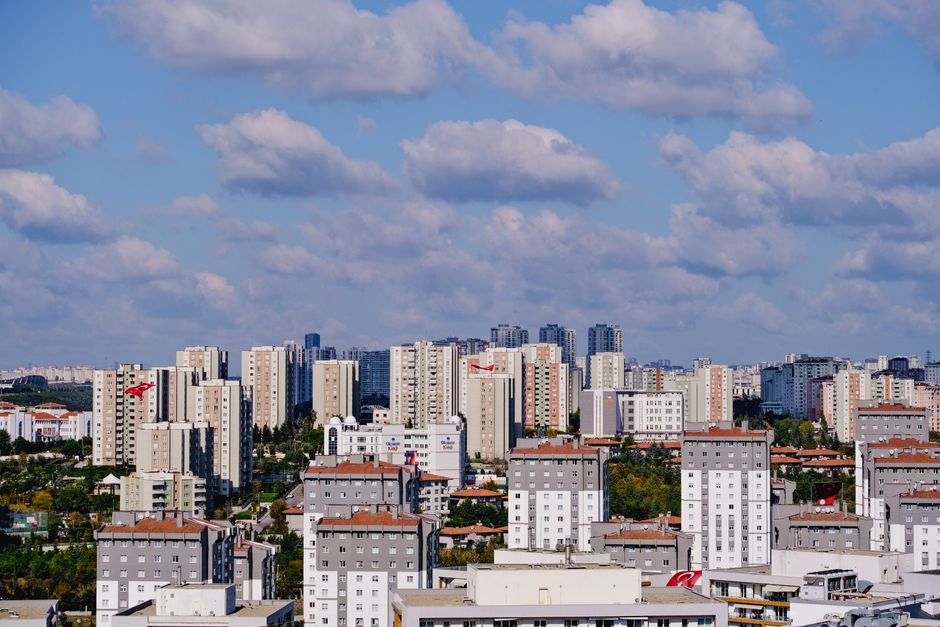
Further north along the Bosphorus, Sarıyer is absorbing two adjacent branded-residence schemes near the Tarabya waterfront, one of them tied to a European hospitality group under a management contract that has not yet been publicly named. Branded residences command a 25-to-35 percent premium over unbranded stock in comparable locations, a gap that Istanbul's market has only recently begun to sustain reliably. On the Asian side, Ataşehir's Nidakule complex is adding a third tower — 312 units, with a sky lobby on the 24th floor — aimed at domestic C-suite buyers priced out of Beşiktaş and Nişantaşı.
Kadıköy, traditionally the Asian side's cultural and bohemian anchor, is feeling the pressure differently. Boutique developers are converting late-Ottoman-era apartment buildings along Moda Caddesi into sub-10-unit luxury projects, a format that sidesteps some of the planning scrutiny attached to larger towers while delivering the same premium per square metre. Three such conversions were registered with the Istanbul Metropolitan Municipality between January and May 2026.
What It Means for Residents Already There
The concern among urban planners is familiar from other dense, desirable cities: new luxury supply does not automatically translate into neighbourhood improvement for existing residents. In Beşiktaş, average monthly rents for a 100-square-metre apartment rose 34 percent in the 12 months to June 2026, according to Endeksasa property analytics. Local tradespeople, teachers and mid-level civil servants are migrating toward Esenyurt and Beylikdüzü on the European periphery, a pattern that Istanbul's municipality acknowledged in a report published in May but has yet to respond to with any specific policy instrument.
Foreign buyers, meanwhile, are not particularly interested in those structural questions. The citizenship pipeline keeps demand elevated at the top end, and developers building in Sarıyer or Maçka are pricing for that buyer, not for a Turkish family on a public-sector salary. The gap between what the city builds and what most of its residents can afford is widening with each tower crane that swings into position.
For buyers and investors tracking this market, the practical read is straightforward: projects within 800 metres of a Bosphorus view or a metro line in Şişli and Beşiktaş will continue to hold value in dollar terms, even if lira volatility creates surface noise. The window for entry at current dollar prices may narrow before 2027, when several of the larger schemes enter their final sales phase and developers shift from early-buyer discounts to rack-rate pricing. Those watching from the sidelines should factor that timetable into any decision made in the months ahead.