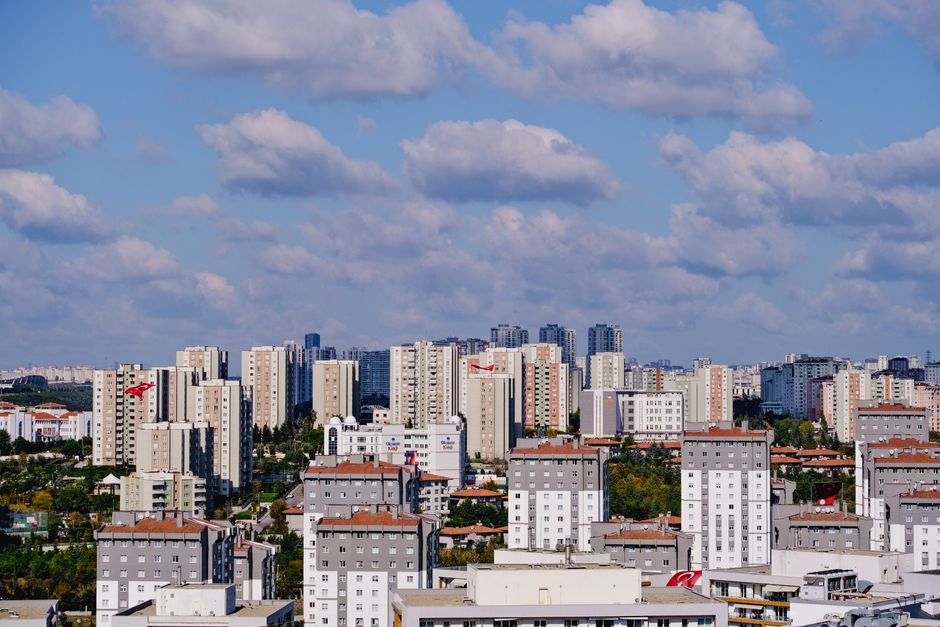
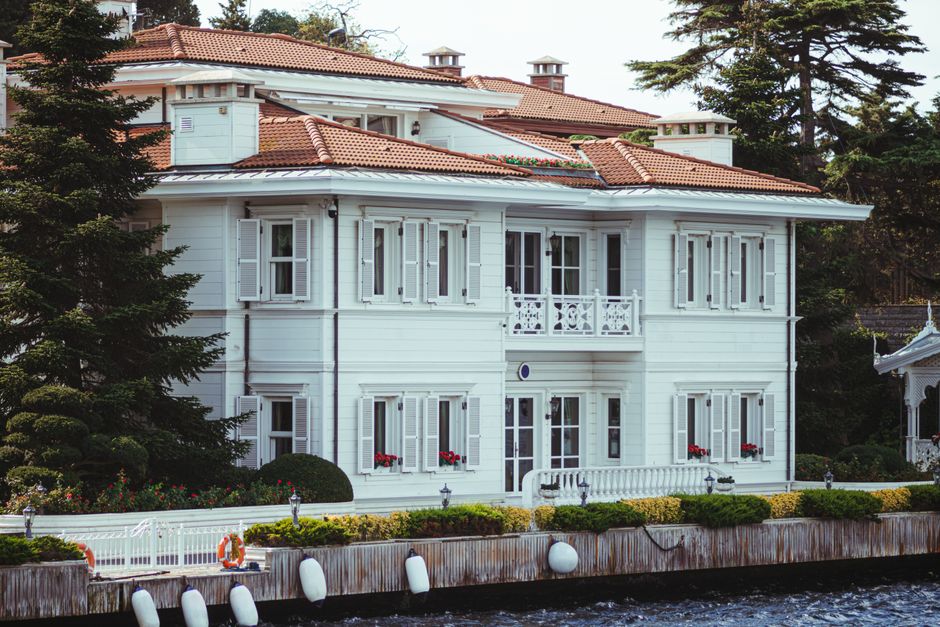
Istanbul renters whose leases expire this autumn are confronting a market that has essentially stopped working in their favour. Average asking rents in central districts hit 28,000 Turkish lira per month for a standard two-bedroom apartment in June 2026, according to data compiled by Endeksa, the property analytics platform. That figure represents a 34 percent jump over the same month in 2024, even after accounting for the lira's partial stabilisation against the dollar. Landlords in Beşiktaş and Beyoğlu are routinely demanding two years' rent upfront — an amount that, for a mid-range flat on Sinanpaşa Caddesi, now exceeds 670,000 lira before a tenant has unpacked a single box.
The timing matters because Turkey's regulated annual rent-increase cap — anchored at 25 percent under the housing protection rules extended by the Grand National Assembly in late 2024 — officially lapsed for many legacy contracts in early 2026. Landlords who held back during the cap period are now recalibrating sharply. That has pushed renewal negotiations into territory where tenants who cannot meet a new asking price face eviction rather than compromise, sending a fresh wave of demand into an already depleted rental stock across both the European and Asian sides of the city.
Where the Pressure Is Worst — and Where It Isn't
Şişli remains the district absorbing the overflow from Beyoğlu and Beşiktaş. Flats along Büyükdere Caddesi and around Osmanbey that might have sat vacant for weeks in 2022 now go within 72 hours of listing, according to agents at Remax Turkey's Mecidiyeköy office. On the Asian side, Kadıköy's Moda neighbourhood has seen average asking rents climb past 32,000 lira monthly for a renovated two-bedroom, making it more expensive per square metre than parts of Şişli. Bağcılar and Esenyurt — the outer European districts that historically absorbed budget renters — are no longer the pressure valves they once were; both recorded double-digit vacancy-rate declines over the past 18 months.
The purchase side offers cold comfort. Istanbul's average sale price sits at roughly $2,500 per square metre citywide, but premium addresses tell a different story. A 90-square-metre flat in Nişantaşı is now priced north of $450,000, putting conventional mortgage financing out of reach for most Turkish nationals at current Central Bank rates above 40 percent. Foreign buyers chasing citizenship-by-investment — which requires a minimum $400,000 property purchase — have absorbed a significant slice of the city's mid-to-upper stock, particularly in newly completed towers around Levent and along the Bosphorus waterfront. That foreign demand, while slowing slightly from its 2023 peak, has not collapsed, and it keeps a floor under prices that renters contemplating a purchase simply cannot ignore.
Practical Steps for Tenants Before the Lease Clock Runs Out
Renters have more leverage in the negotiation than many assume, provided they act before the contract formally expires. Under Article 347 of the Turkish Code of Obligations, a landlord cannot evict a sitting tenant simply to raise the rent unless they can demonstrate personal use of the property or a licensed renovation requiring vacancy. Filing a formal written counter-offer through a notary — a step that costs roughly 800 lira at any Istanbul notary office — creates a paper record that complicates informal pressure campaigns from landlords.
The Istanbul Metropolitan Municipality's Kira Danışma Hattı, a tenant advisory line operated through the municipality's housing directorate, logged more than 14,000 calls in the first quarter of 2026 alone. Advisers there regularly point callers toward the municipality's social housing lottery, BELMEK-affiliated legal clinics in Fatih and Kadıköy, and the option of collective negotiation in buildings where multiple tenants face simultaneous renewals. Renters in professionally managed apartment blocks have used that last tactic with measurable success — several buildings in Beşiktaş's Akaretler district reached building-wide agreements with management companies that kept increases below 40 percent in exchange for multi-year commitments.
For those who cannot make the numbers work regardless, the fastest-moving relocation corridors right now run toward Ataşehir on the Asian side and Gaziosmanpaşa on the European — both districts where average asking rents remain below 18,000 lira for a two-bedroom and where new metro connections completed under the 2024 rail expansion have materially cut commute times to the city centre. Neither is glamorous. Both are liveable, and in the current market, liveable at a sustainable price is the calculation that matters most.