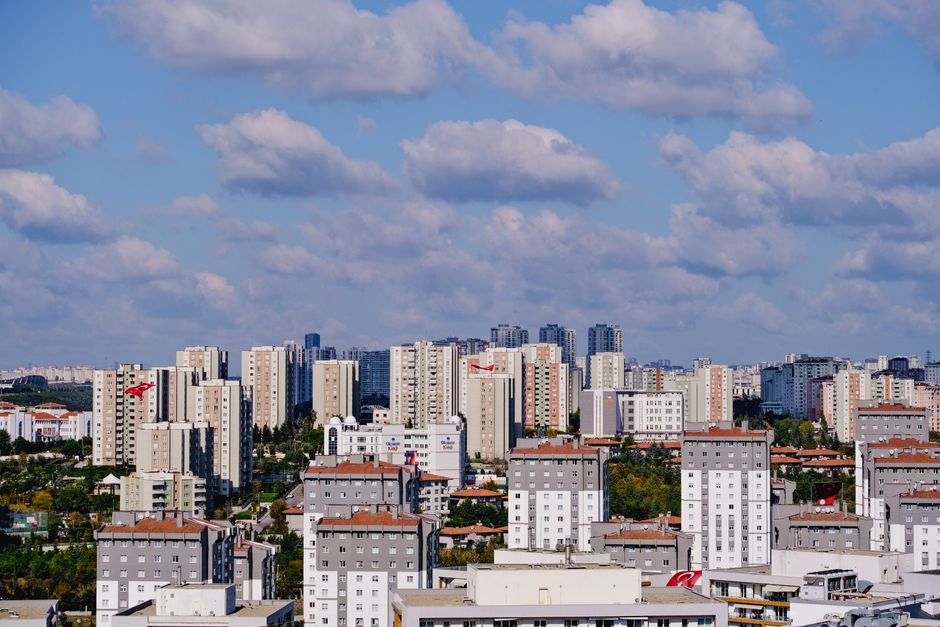
Construction permit approvals in Istanbul climbed 18 percent in the first five months of 2026 compared with the same period last year, according to figures released by the Istanbul Metropolitan Municipality last week, with the bulk of new licences concentrated in three corridors: Başakşehir on the European fringe, Kartal on the Asian coast, and the rapidly thinning industrial belt running through Kağıthane. The numbers confirm what auction watchers had already been reading from the bids: land is priced for a boom, not a recovery.
The timing matters. Turkey's Central Bank held the benchmark rate at 42.5 percent through June, keeping mortgage finance expensive for locals. Yet foreign-buyer registrations through the citizenship-by-investment programme hit a monthly record in April, with Gulf and Central Asian nationals accounting for roughly 60 percent of qualifying purchases. That external demand has effectively set a floor under prime land values even as domestic purchasing power stays squeezed — a tension that is now showing up directly in what developers are willing to bid at public tender.
Auction Bids Are Running Well Above Reserve
A municipal land auction held on June 19 at the Fatih district offices drew bids on three parcels in Zeytinburnu, an area that sits roughly two kilometres from the Marmaray rail corridor and has been quietly rezoned for mixed-use towers since 2024. The winning bid on the largest parcel, a 4,200-square-metre plot on Kazlıçeşme Caddesi, came in at 12.4 percent above the reserve price set by Emlak Konut, the state housing developer that managed the tender. Two other plots sold within eight days of listing rather than the customary 21-day window. Brokers active in the Zeytinburnu market say comparable land was trading at around 28,000 Turkish lira per square metre in January; by late June the reference figure had crossed 34,000 lira — a 21 percent move in six months even before construction begins.
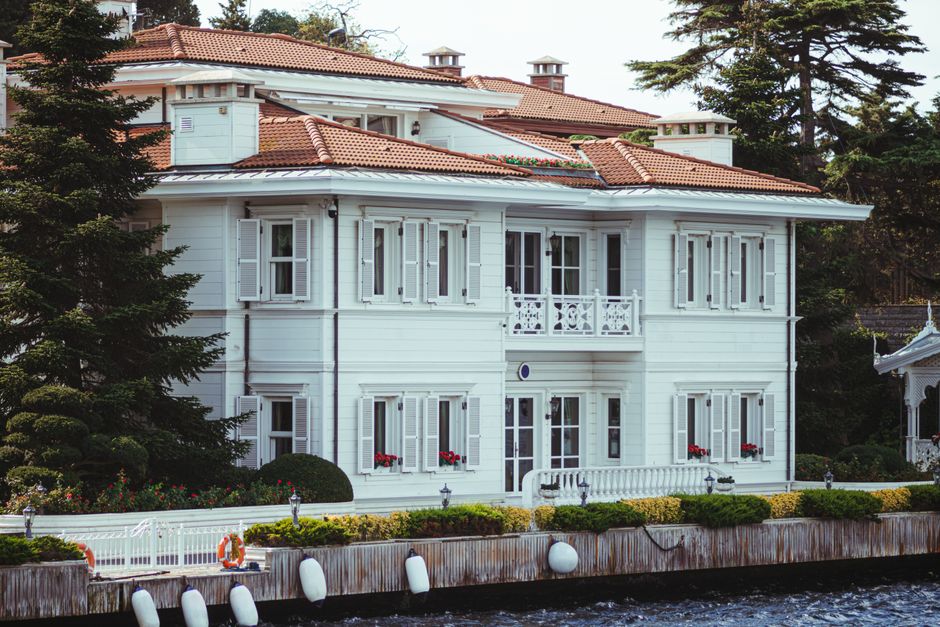
Across the Bosphorus, Kadıköy tells a different story about finished product. Average asking prices for new-build apartments in the Moda and Caferağa neighbourhoods now sit at approximately $3,100 per square metre in dollar terms, well clear of Istanbul's citywide average of $2,500. A 90-square-metre two-bedroom in a newly delivered Moda block was listed at $279,000 this week on Sahibinden.com — a platform that serves as a reasonable real-time gauge of seller expectations. That figure would have bought a generous three-bedroom in the same street three years ago. The premium reflects both the neighbourhood's cachet and a near-total absence of new supply; Kadıköy's dense low-rise fabric leaves almost no room for ground-up construction, making each approved infill project a contested event.
What the Pipeline Looks Like From Here
The real action is further out. Başakşehir, anchored by the Istanbul Başakşehir stadium and the Şehir Hastanesi hospital complex — at 2,682 beds the largest in Europe when it opened — is absorbing the bulk of large-footprint residential tower approvals. Seven projects totalling roughly 4,300 units received construction permits in the January-to-May window, according to municipality data. Developers including Kalyon İnşaat and Torunlar GYO have active sites within a two-kilometre radius of the metro's M3 line. Kalyon has not disclosed per-square-metre pricing for its current phase, but comparable completed stock in the area is transacting between $1,600 and $1,900 per square metre — still well below the Beyoğlu or Beşiktaş benchmarks, which is precisely why the land bids are aggressive.
For buyers watching these signals, the practical read is straightforward. Pre-sale launches in outer districts are moving faster than they did in 2025, with some Başakşehir projects reporting 40 percent reservation rates within the first two weeks of marketing. Anyone waiting for a price correction driven by high domestic interest rates may be waiting past the point where supply catches demand. The smarter move, according to several Istanbul-based sales advisers, is to scrutinise delivery timelines — permits granted now typically translate to handover in late 2028 — and to verify that citizenship-by-investment eligibility, which requires a minimum purchase of $400,000, is baked into the contract value rather than padded in after the fact. The data says the market is rising. The auction results say it already has.