Is Renting Actually Cheaper Than Buying Right Now in Istanbul?
With property prices soaring and mortgage rates near decade highs, the perennial question faces Istanbulites: to rent, or to buy?
With property prices soaring and mortgage rates near decade highs, the perennial question faces Istanbulites: to rent, or to buy?
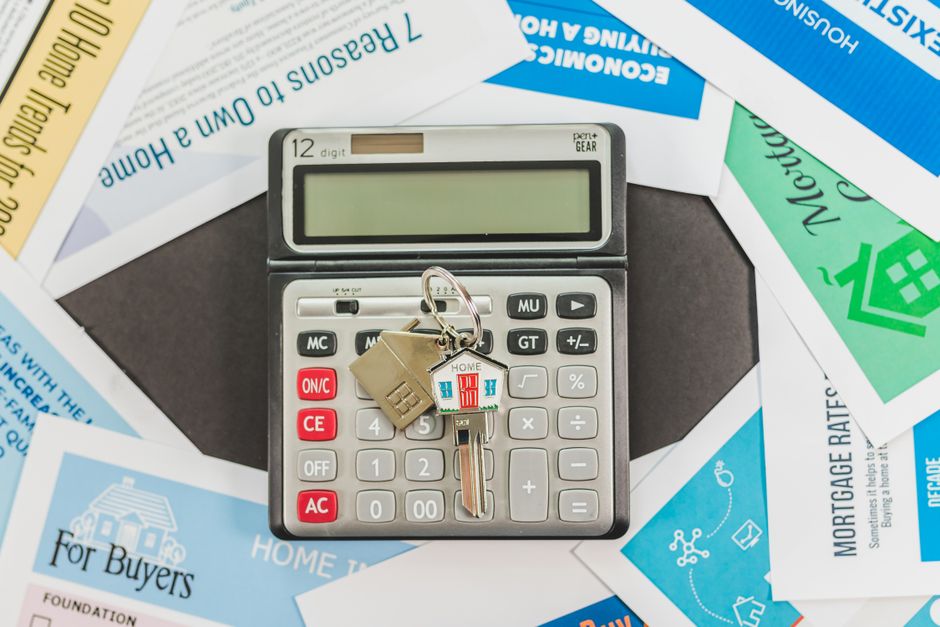
For the first time in years, the monthly cost of renting a standard two-bedroom apartment in central Istanbul is once again undercutting the equivalent mortgage payment for most buyers. Last month, according to market data from EmlakJet, the average asking rent in Sisli stood at 38,000 TL, while the typical monthly mortgage payment for a similar property exceeded 52,000 TL—even after a 25% down payment.
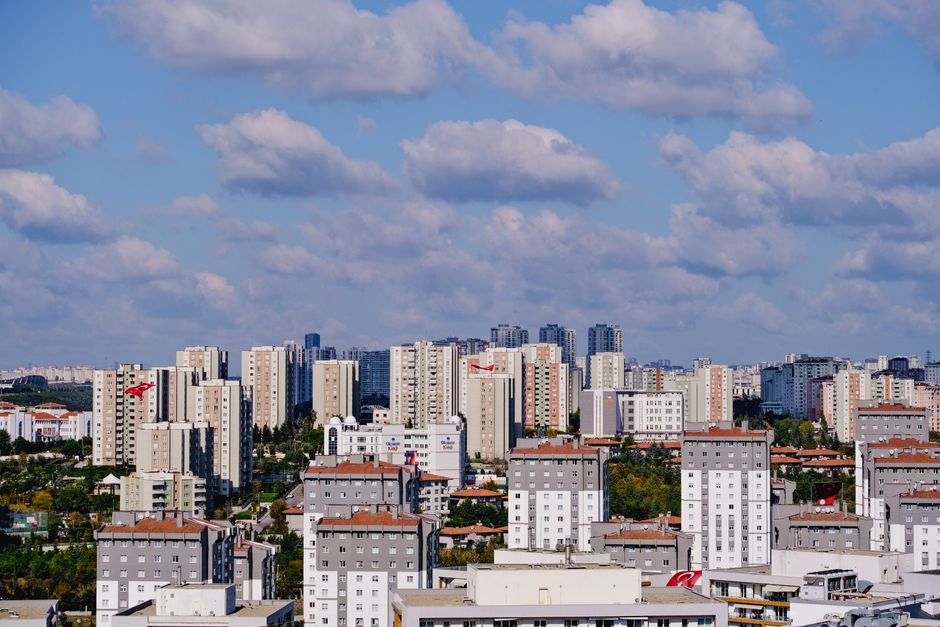
This matters now more than ever, as both locally born residents and would-be expat property seekers are feeling the squeeze. Istanbul’s median property price crept above $2,500 per square metre this spring, following a 14% increase over 12 months. The lure of Turkish citizenship through investment is fueling a fresh wave of overseas buyers, particularly targeting premium buildings in Besiktas and along the bustling avenues of Kadikoy’s Moda quarter.
Despite continued demand, the barrier to entry for buyers is only growing. Not only are prices up, but banks like Garanti BBVA and Isbank have raised fixed mortgage rates to over 4.5% as of July—levels not seen since the 2018 lira crisis. Mortgage advisor Burak Demir at Vadi Finans confirmed that the number of first-time buyer loan applications has dropped nearly 30% since January, compounding pressure on the city’s overheated rental market.
For now, at least, rents haven’t kept pace with sale prices. In Bakirkoy, a family-sized flat near the sea on Kennedy Caddesi is listed for rent at 43,000 TL per month, while sale prices in the same development top 14 million TL. With a 20-year mortgage, that’s a steep 62,000 TL monthly payment—far higher than the rent. In contrast, neighborhoods like Atasehir and Kagithane have shown smaller differentials, with mortgage and rent costs for similar units sometimes only 10-15% apart.
Istanbul’s rental law protections, capped annual increases, and the city’s abundance of new developments—including the mega-projects around Zeytinburnu—have helped prevent rents from fully tracking sales. Property experts at Eva Gayrimenkul notched the rent-to-price ratio in April at just under 4%, below the economic breakeven point for landlords in much of Europe or the US, and a clear sign that tenants are, for now, paying less than buyers.
What happens next may hinge on policy and foreign-buying appetites. If mortgage rates fall—or if the government further tweaks citizenship investment thresholds—buyer demand could rebound and narrow the gap. For families or professionals deciding today, the math is decisive: unless buying for long-term security or investment, most will save money by renting in nearly every central district. But with inflation still running high and landlords keenly aware of past market spikes, would-be tenants should get lease terms locked in swiftly. For those able to wait, autumn’s market may look very different again.
How does this story make you feel?
Spread the word
About this article
Published by The Daily Istanbul
Daily brief
Free, in your inbox before 7am. Weekdays.
More in Property