Küçükçekmece Tops Istanbul’s Charts for Highest Rental Yields in 2026
Rising demand and lower entry prices have propelled Küçükçekmece to the top of the city’s list for buy-to-let investors seeking robust returns.
Rising demand and lower entry prices have propelled Küçükçekmece to the top of the city’s list for buy-to-let investors seeking robust returns.
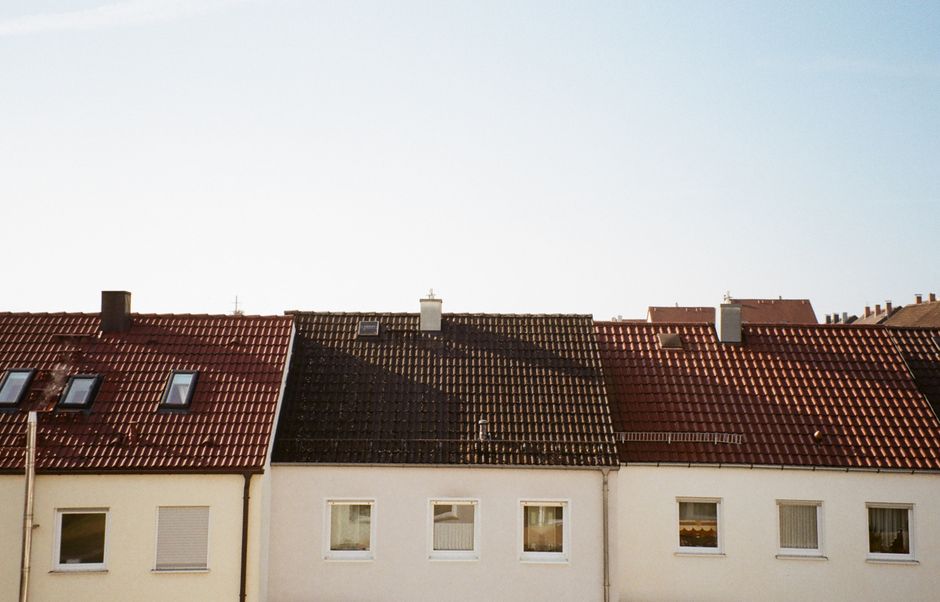
In Istanbul’s fiercely competitive property market, Küçükçekmece has emerged as the city’s number-one hotspot for rental yield, outperforming traditional favorites like Besiktas and Beyoglu with an average gross yield exceeding 6.2% this quarter, according to this week’s figures from Endeksa, one of Turkey’s leading real estate analytics providers.
The drive behind Küçükçekmece’s sharp rental returns stems partly from the changing habits of young professionals and middle-income families. Many have been priced out of city-center enclaves such as Nişantaşı and Cihangir, where the average price per square meter now sits above $4,700, pushing them to consider emerging suburban districts. On the shores of Küçükçekmece Lake and flanking the E-5 highway, the district’s transport links are a major draw; both the Marmaray suburban rail and Metrobus converge here, with the Sefaköy and Atakent stations acting as key commuter hubs. While Kadikoy remains a darling for Asian-side renters, the entry prices in Küçükçekmece are nearly 40% lower, according to the Istanbul Realtors Association (ISTIB).
Real estate developers, including EGE Yapi and Sinpaş, have responded with new mid-rise apartment complexes featuring modern amenities: secure parking, gyms, landscaped courtyards, and easy access to mixed-use shopping centers like Arena Park. Local property managers have reported average monthly rents of 29,000 TL for renovated two-bedroom flats around Atakent Caddesi and up to 37,500 TL near Halkalı station, where demand continues to surge from both expats and Istanbul University students living off-campus.
Istanbul’s average sale price now hovers near 83,000 TL per sqm ($2,500/sqm at today’s exchange rates), but Küçükçekmece units trade at a median of just 55,200 TL per sqm as of July 2026. In comparison, rental rates here have remained buoyant, thanks to a 13% year-on-year rise in demand as reported by sahibinden.com, the city’s largest property platform. According to a new survey by TURYAP, rental yields in Küçükçekmece have pushed past the 6% cap, with select new-builds in Halkalı exceeding 6.5%. In contrast, Besiktas and Beyoglu, for all their prestige, are now returning less than 4.2% to landlords on average, as rising prices outpace rental growth in those older neighborhoods.
Residential lettings have also spiked over Ramadan and into the summer holiday season, with families arriving from conflict zones and heatwave-affected provinces opting for short-term furnished lets—sometimes for up to three times longer than pre-pandemic averages.
Property experts from TSPB (Turkish Capital Markets Association) caution that yields could be affected if new supply exceeds demand, particularly in the next two years when at least 3,000 units are set to be delivered along Kanuni Sultan Suleyman Boulevard. Still, many investors are taking advantage of the Turkish citizenship by investment program, which still requires a real estate purchase of $400,000—easily met by acquiring two or three mid-level units in Küçükçekmece.
For would-be landlords, the message is clear: check for building age and quality, avoid flood-prone ground floors, and focus on transport corridors like the Marmaray line and proximity to higher education hubs. With migration patterns and inflation still roiling the market, Küçükçekmece currently leads the pack, but granular research and due diligence remain essential for long-term success.
How does this story make you feel?
Spread the word
About this article
Published by The Daily Istanbul
Daily brief
Free, in your inbox before 7am. Weekdays.
More in Property