Istanbul’s Rental Vacancy Rate Hits New Low, Intensifying Competition for Homes
Sharp drops in available apartments from Etiler to Kadıköy have pushed up rents and left locals scrambling.
Sharp drops in available apartments from Etiler to Kadıköy have pushed up rents and left locals scrambling.
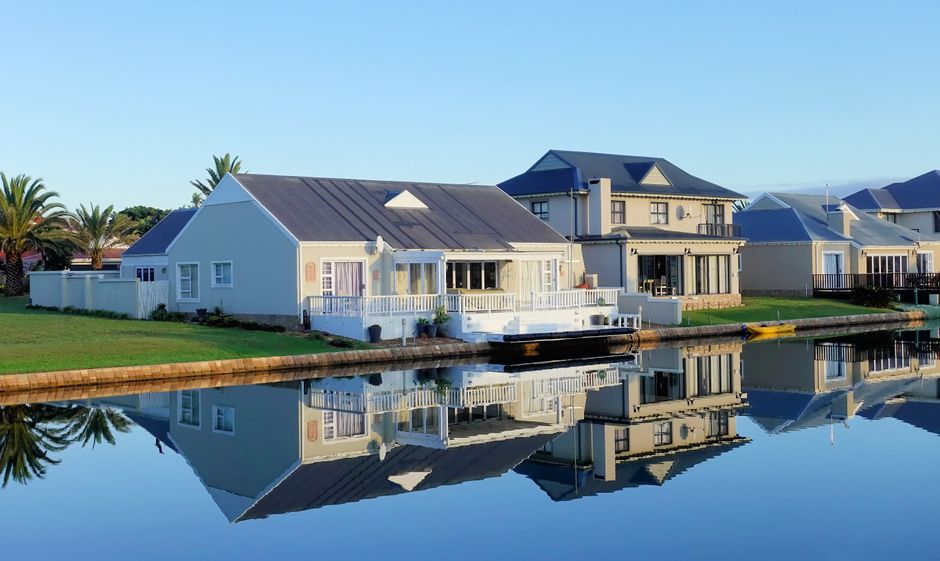
Just 1.3% of rental homes in central Istanbul sit empty this summer, property analytics group EmlakJet reported this week, as queues of hopeful tenants snake down the streets of popular neighbourhoods such as Cihangir and Kadıköy. In Beşiktaş, agents are fielding dozens of applications for a single two-bedroom flat before the first viewing even wraps.
This shortage has become impossible to ignore as the July rental season peaks. University admissions, summer relocations and an ongoing influx of professionals from across Turkey and abroad have collided with a squeeze in supply not seen since 2021. The effects ripple from the historic alleys near Galata Tower to shiny tower blocks in Ataşehir.
At the heart of the crunch are a mix of old and new drivers. Citizens by investment programs continue to attract foreign buyers, who often keep units vacant or rent at premium rates. Newly arrived Syrians and Ukrainians, driven by ongoing conflict, add to the pool of would-be renters. Meanwhile, many long-time Istanbul owners converted their apartments into lucrative short-term lets during the lira’s downturn, with platforms like Airbnb still showing strong returns in the Old City district and along the Bosphorus in Arnavutköy.
In popular student haunts like Şişli’s Bomonti, asking prices for even modest one-bedroom apartments have doubled since 2022—now averaging 38,000 TL per month, according to listings tracked by Sahibinden.com. The rush isn’t only on the European side. The Asian district of Kadıköy, particularly around Moda and Yeldeğirmeni, has seen starting rents climb to 52,000 TL for newer 2+1 units, as more families swap buying dreams for premium rentals.
The dilemma is stark: Istanbul’s average sale price hit 2,500 USD per square metre in June, according to the Turkish Statistical Institute’s latest figures. For a standard 90 sqm apartment in central districts like Nişantaşı, buyers must now budget over 7 million TL. With mortgage rates hovering above 38% annually at major banks like Garanti BBVA, even middle-income families balk at ownership—as evidenced by a 27% drop in first-time homebuyer transactions citywide in the first half of 2026. This only feeds the rental squeeze, as would-be buyers remain tenants longer or return to the market after failed bids.
Metro stops near business hubs—such as Levent on the M2 line and Göztepe on Marmaray—are especially cutthroat. Real estate consultancy EVA Gayrimenkul reports that some landlords collect reservation deposits from five or more candidates for the same listing, then select the tenant with the highest upfront payment. "Some flats barely last online for three hours," said one agent, who declined to be named due to the sensitivity of the market.
What’s clear to Istanbulites: patience and paperwork are essential. Prospective renters need full employment documentation, proof of salary above 100,000 TL monthly for most central apartments, and around six months’ rent ready up front to outpace rivals. Some developers, like Nef and Sinpaş, are beginning to woo renters with longer-term lease guarantees or flexible payment plans, but such offers remain rare—and typically limited to new-build projects on the city fringes, far from the heart of Şişli or Kadıköy’s bustling avenues.
For now, insiders predict no dramatic rise in rental vacancies until early 2027 at the soonest, pending a fresh wave of completions in Bahçelievler and Bayrampaşa. Until then, Istanbul’s race for a decent lease shows no signs of easing—as the city’s swelling population keeps every spare key in short supply.
How does this story make you feel?
Spread the word
About this article
Published by The Daily Istanbul
Daily brief
Free, in your inbox before 7am. Weekdays.
More in Property