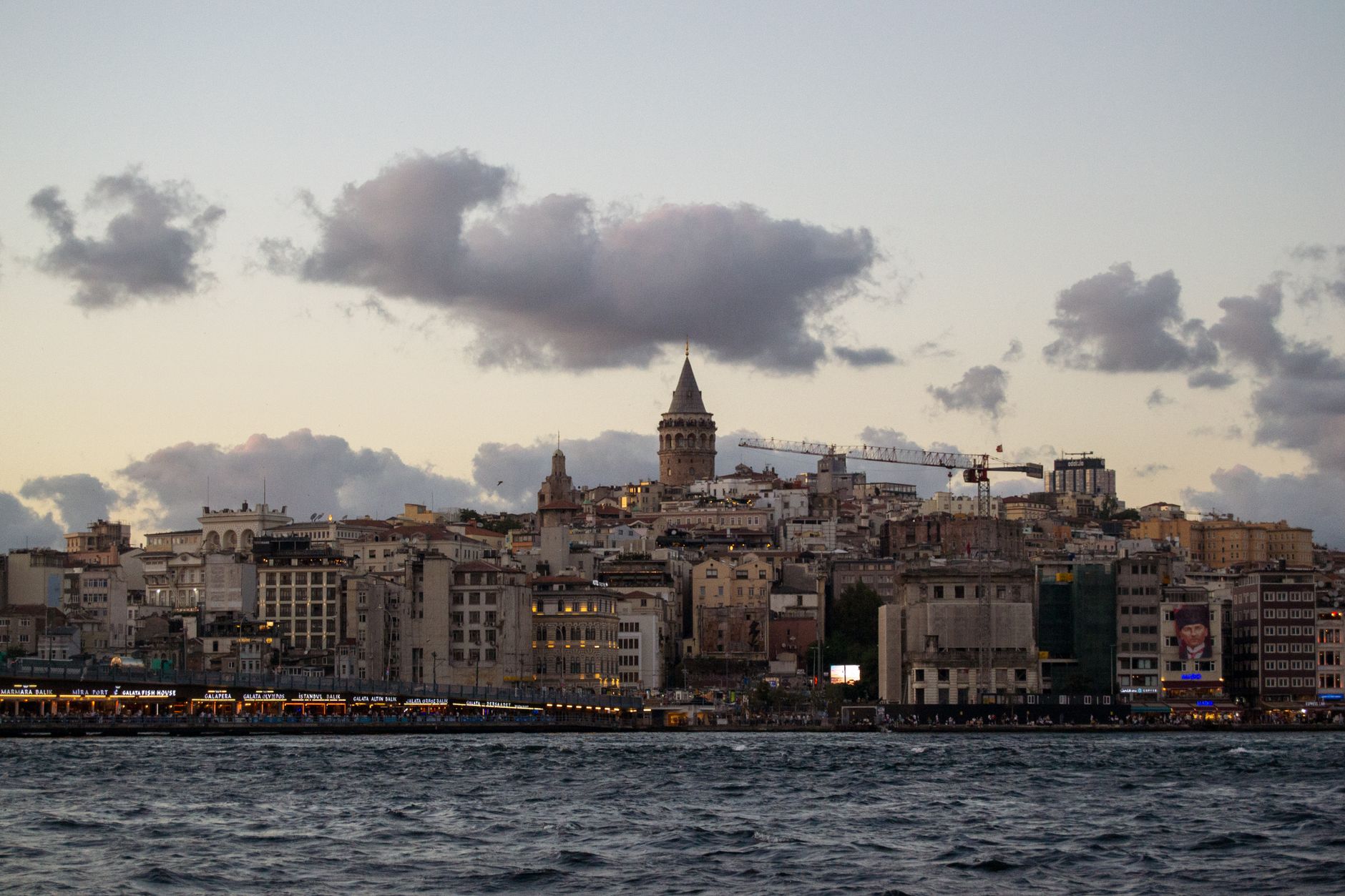
Istanbul has always swallowed people whole. But the scale of what has happened here since 2011 is different in kind, not just degree. The city now holds an estimated 1.5 to 2 million Syrian nationals — roughly one in every eight or nine residents — making it the single largest host city for Syrian refugees anywhere on earth. Add to that hundreds of thousands of Afghans, Iranians, Iraqis, and sub-Saharan Africans, along with internal migrants displaced by the February 2023 Kahramanmaraş earthquakes, and you have a demographic transformation with almost no modern urban parallel outside a warzone.
The timing matters. Iran's supreme leader died last month, and state funerals in Tehran this week are drawing regional attention to a neighbourhood already in flux. Poland's prime minister is warning publicly of critical months ahead on NATO's eastern flank. Russia is rationing petrol. Every one of those crises pushes more people toward Turkey's borders, and most of them, if they make it, end up in Istanbul. The question the city government is now trying — and largely failing — to answer is what happens to a metropolis of 16 million when integration policy has never really existed as a coherent program.
The Neighbourhoods That Absorbed the Shock
Walk down Turgut Özal Caddesi in Fatih on any Thursday morning and the shift is visceral. Shop signs in Arabic script sit beside Ottoman-era mosque facades. Barbershops and mobile phone repair stalls owned by Syrian families cluster around Aksaray Square, which by 2019 had already been nicknamed "Little Aleppo" by residents. Bağcılar and Esenyurt, both on the European side, each absorbed tens of thousands of Syrian families between 2013 and 2018, drawn by cheap rents and pre-existing Arab-speaking networks. Esenyurt's registered Syrian population alone exceeded 80,000 as of the last municipal count in 2024.
The Association for Solidarity with Asylum Seekers and Migrants, known as SGDD-ASAM, has maintained a counselling and documentation centre near Laleli since 2014. Staff there processed more than 14,000 individual cases in 2025, up from around 9,000 in 2022. The Istanbul branch of the UN Refugee Agency keeps a liaison office in Şişli, where Temporary Protection status renewals — the legal mechanism that has kept most Syrians in Turkey since 2013 — have been running at around three to four hours of waiting time per applicant, according to community workers familiar with the process.
How the Policy Ground Shifted
For most of the 2010s, the Turkish government's posture was one of functional tolerance. Temporary Protection gave Syrians the right to work legally after 2016, and the EU-Turkey Statement signed in March of that year brought Brussels money — initially €6 billion — to help manage the caseload. That framework kept a lid on the politics. It did not last. By 2022, with inflation in Turkey running above 80 percent and the lira having lost more than 40 percent of its value against the dollar in a single calendar year, public frustration with refugees became an electoral weapon. The ruling AKP and the opposition CHP competed through 2023 and 2024 on who could sound tougher on voluntary returns.
Mayor Ekrem İmamoğlu's Istanbul Metropolitan Municipality has navigated that politics carefully. The municipality runs a Social Support Programme out of its BELMEK vocational training network — which had 47 branches across the city as of early 2026 — and offers Turkish language classes that are nominally open to foreign residents, though uptake among undocumented migrants is low for obvious reasons. The gap between what the municipality can offer and what the state controls — registration, legal status, deportation — remains the central structural problem.
The practical reality for new arrivals today is a city that is simultaneously more hostile in rhetoric and more dependent in practice on the cheap labour Syrian and Afghan workers provide in construction, textile workshops in Bağcılar, and food service across Beyoğlu. Rents in Fatih for a two-room apartment now average around 18,000 to 22,000 lira per month — pricing out both poor Turkish families and recently arrived migrants alike. The next scheduled review of Turkey's Temporary Protection framework falls in late 2026, and how the government handles that decision will determine whether the city's uneasy coexistence holds or fractures along the seams already showing.