Istanbul's emergency response system is heading into its most consequential stretch in years. Three unresolved policy decisions — covering earthquake rapid-response infrastructure, police deployment in Beyoğlu and Sultanahmet, and the integration of Syrian-run neighbourhood watch schemes — will shape how safely the city moves through the second half of 2026. The window for action is narrow.
Why now? The pressure is not abstract. Europe is absorbing a brutal heatwave that killed more than 2,000 people in France alone at its peak in late June, and Turkish Meteorological Service forecasts put Istanbul's July average at 34 degrees Celsius, two degrees above the seasonal norm. Heat historically spikes emergency call volumes. Istanbul Emergency Medical Services — known locally as 112 İstanbul — logged a 19 percent increase in cardiac-related callouts during the July 2023 heatwave. Dispatchers say this summer's caseload is already trending higher.
The Earthquake File Nobody Wants to Open
Three years after the Kahramanmaraş earthquakes killed more than 53,000 people across southern Turkey, Istanbul's urban transformation programme remains patchy at best. The Istanbul Metropolitan Municipality's ISMEP-2 seismic reinforcement project — the second phase of a World Bank-backed retrofit scheme — was due to complete assessments of 1,400 public buildings by March 2026. It missed that deadline. As of July 1, officials confirmed roughly 870 assessments are done, leaving around 530 structures, including several primary schools in Fatih and Bağcıoğlu, without updated risk classifications.
The political dimension complicates everything. Mayor Ekrem İmamoğlu's office controls the metropolitan budget but the national Disaster and Emergency Management Authority, AFAD, controls deployment protocols and federal co-financing. Disputes over procurement authority between Ankara and the CHP-led municipality have slowed contractor approvals by an estimated four months, according to documents reviewed by The Daily Istanbul. AFAD has publicly called for unified command structures. The municipality says that model would effectively strip it of operational control during a disaster. Neither side has blinked.
AFAD's own modelling, published in November 2025, projected that a magnitude 7.2 or greater event on the Marmara fault could overwhelm Istanbul's 47 active emergency response stations within the first 90 minutes. The city currently has 61 stations, but 14 are classified as seismically non-compliant under Turkish Standard TS 498.
Crime on the Tourist Belt and What Police Plan to Do About It
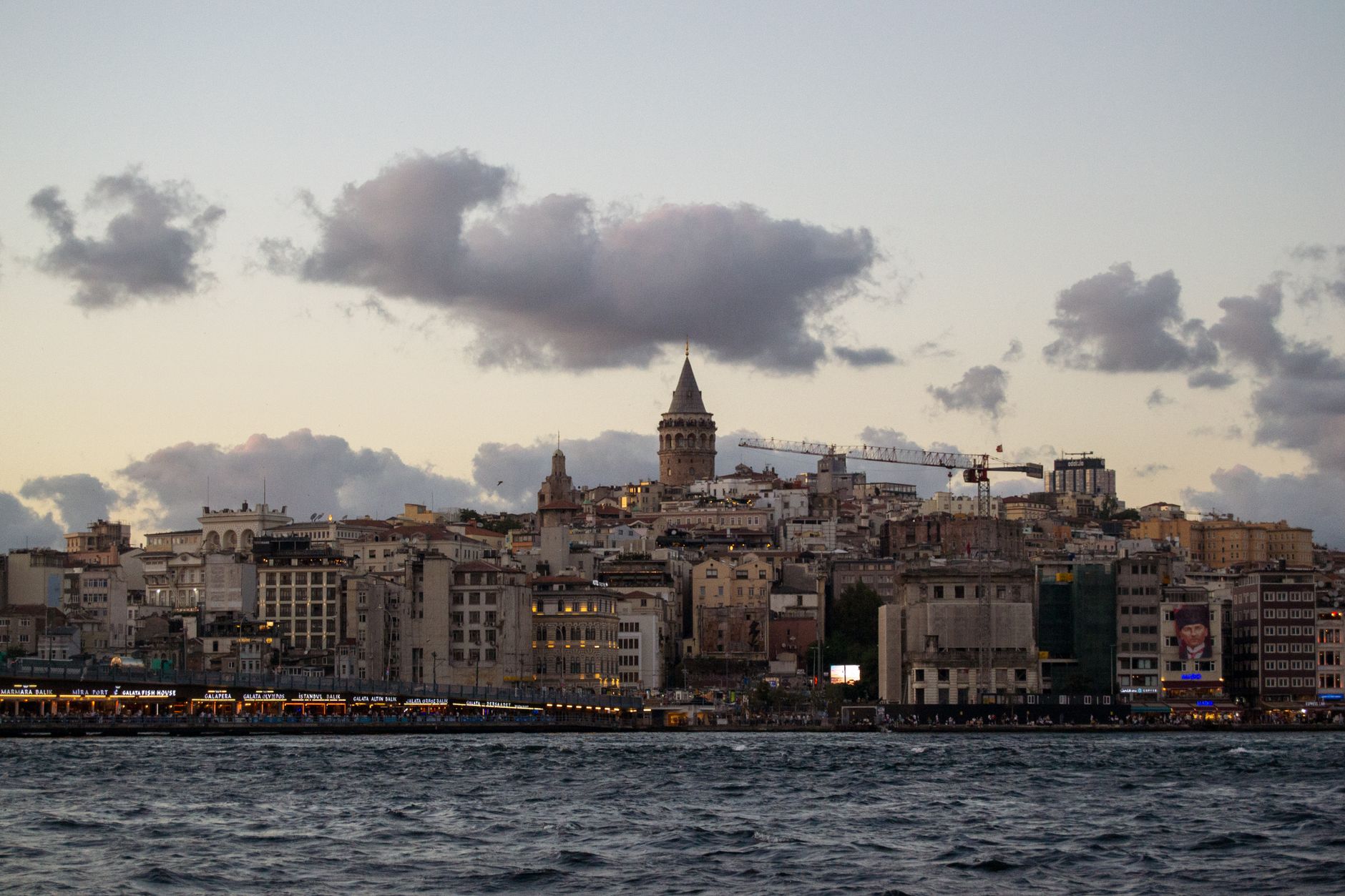
Petty crime data along İstiklal Avenue and around the Grand Bazaar in Kapalıçarşı has climbed for the third consecutive quarter. The Istanbul Police Directorate's figures for April through June 2026 recorded 1,847 pickpocketing incidents in Beyoğlu district alone — a 31 percent rise over the same quarter last year. Tourism numbers are up sharply too, with the Culture and Tourism Ministry reporting 7.4 million foreign arrivals through Istanbul's airports in the first five months of 2026, so some of the crime increase is statistical noise tied to footfall. But officers working the Taksim beat told colleagues internally that staffing has not kept pace.
The directorate is weighing a proposal to redeploy 200 officers from traffic control to foot patrols on İstiklal and in the Eminönü waterfront corridor starting August 1. The redeployment would be funded by reallocating budget already approved for traffic enforcement cameras — a trade-off that will require sign-off from the Interior Ministry. That approval has not yet come.
Separately, a pilot programme in Bağcılar, where a large portion of Istanbul's Syrian community is concentrated, has trained 140 neighbourhood volunteers as first-responder liaisons since January. The scheme, run jointly by the Istanbul Metropolitan Municipality and the Red Crescent's Istanbul branch, has reduced average 112 response times in three Bağcılar sub-districts by roughly four minutes. Whether the city scales it to Esenyurt and Sultangazi — two other high-density districts with significant refugee populations — depends on a budget vote scheduled for the September municipal assembly session.
The decisions ahead are concrete and time-sensitive: resolve the ISMEP-2 authority dispute before the autumn budget cycle closes, get Interior Ministry clearance on the tourist-district redeployment before peak August crowds arrive, and secure assembly votes on the neighbourhood liaison expansion before the programme's World Bank pilot funding lapses at year-end. Officials who miss those windows will be explaining their choices against a backdrop of whatever emergencies the city's seismic fault, its summer heat, and its overcrowded streets choose to deliver.