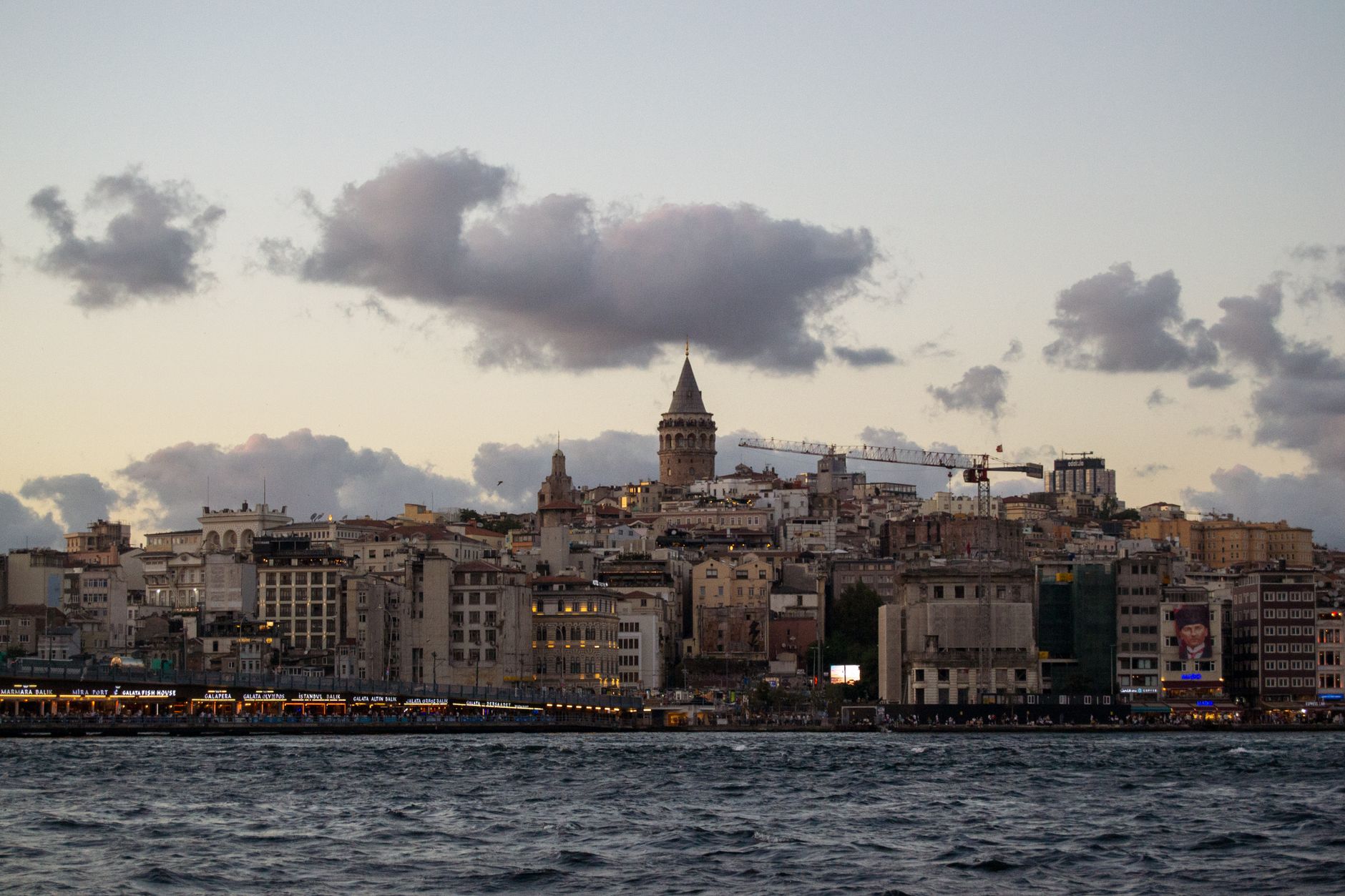
Istanbul's municipal government is heading into a bruising July with three crises converging at once: a disputed budget transfer from central government that CHP officials say has left the Istanbul Metropolitan Municipality short by at least 4.2 billion lira for the second quarter, renewed warnings about earthquake preparedness in the Avcılar and Kadıköy districts, and a sharp political fight over the future of thousands of Syrian families whose temporary protection status reviews are accelerating ahead of the autumn legislative calendar in Ankara.
The timing matters. Turkey enters the second half of 2026 with annual consumer inflation still running above 48 percent, according to the Turkish Statistical Institute's June reading, and with municipal borrowing costs elevated after the Central Bank held its policy rate at 42.5 percent through its June meeting. For a city that must maintain ferry terminals, metro lines, and social services simultaneously, the squeeze is tangible on the ground — and the recriminations between the AKP-controlled Interior Ministry and Mayor Ekrem İmamoğlu's administration have grown louder in recent weeks.
Officials Trade Accusations Over Funds and Earthquake Risk
Senior IBB — Istanbul Büyükşehir Belediyesi — finance officials told local media outlet Bianet that central government transfers earmarked under the Revenue Sharing Law had arrived incomplete for the third consecutive quarter, forcing the municipality to defer infrastructure contracts in Başakşehir and delay the expansion of the Dudullu-Bostancı metro line, originally scheduled for a partial opening in September. The Interior Ministry has not confirmed a shortfall figure, calling IBB's accounting methodology disputed.
The earthquake conversation has grown more urgent since geologists at Istanbul Technical University published an updated fault-line stress assessment in June, warning that sections of the North Anatolian Fault running beneath the Marmara Sea remain under significant accumulated strain. The 2023 Kahramanmaraş disaster — which killed more than 53,000 people across southern Turkey — forced a national reckoning with building codes, but urban planners in Kadıköy and Fatih say enforcement of the post-2023 inspection mandate remains patchy in older residential stock. A civil engineering association based in Levent, the Chamber of Civil Engineers Istanbul Branch, is calling for an emergency audit of roughly 80,000 buildings that received conditional green tags in 2024 without full structural review.
Refugee Tensions Surface in Bağcılar and Sultanbeyli
Beyond the technical disputes, community leaders in Bağcılar and Sultanbeyli — two districts with some of the highest concentrations of Syrian residents in the city — are raising alarms about the atmosphere around temporary protection renewals. Turkey hosts approximately 3.2 million registered Syrian refugees, with an estimated 600,000 living in Istanbul, according to figures from the United Nations High Commissioner for Refugees. Local muhtars in both districts have been fielding complaints from families uncertain whether their renewals will proceed before the status review window closes in October.
Representatives from the Mülteci-Der refugee rights association, headquartered near Mecidiyeköy, say the legal aid caseload has more than doubled since May. They are urging the IBB's social services directorate to expand its translation and documentation support centres beyond the current four offices scattered across the European side. The municipality has so far committed only to reviewing the request by the end of August.
For residents and businesses trying to read the political weather, the next concrete marker comes July 15 — the anniversary of the 2016 coup attempt, which typically produces a burst of presidential speeches and, historically, policy announcements. CHP councillors on the IBB assembly are expected to push for a formal session in late July to vote on a resolution demanding full release of the stalled budget transfers. Whether Ankara responds with negotiation or further administrative pressure on the municipality will tell much about how contested Istanbul's governance remains heading into the autumn season.