lifestyle
Istanbul's Breakfast Culture Thrives in Beşiktaş and Kadıköy Beyond Tourism
While the Bosphorus views are standard, the true pulse of the city's morning ritual is found in the quiet, historic corners of Beşiktaş and Kadıköy.
How we reported this
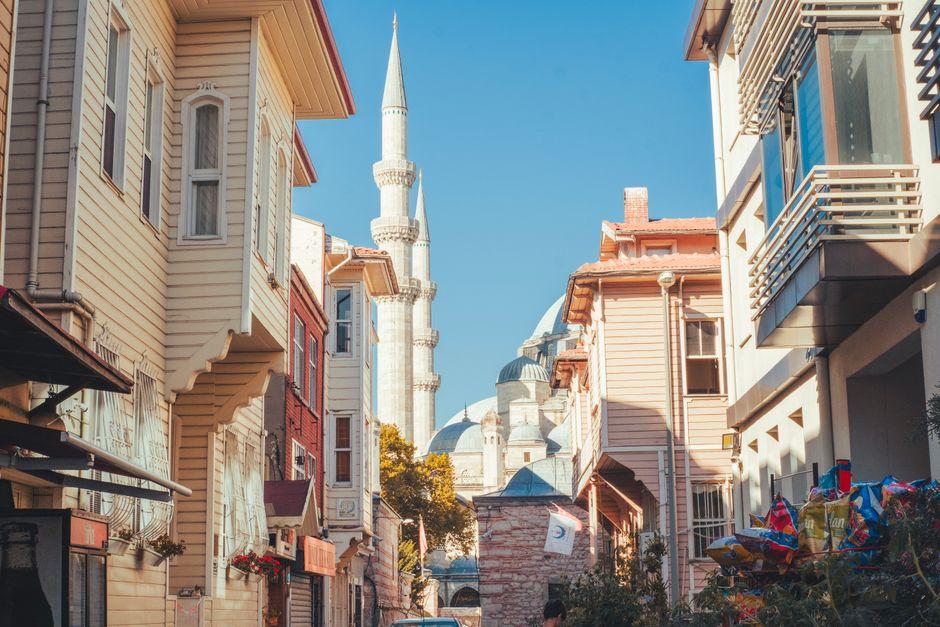
The morning ritual in Istanbul has officially pivoted away from the over-saturated terraces of Sultanahmet toward the deep-rooted neighborhood haunts where the charcoal is lit before 7:00 a.m. This shift marks a broader reclamation of local space, as residents prioritize artisanal produce and hyper-local community hubs over the high-volume banquet halls that dominated the 2024 tourism season.
The Rebirth of the Neighborhood Kahvaltı
In the winding alleys of Beşiktaş, specifically along the famous Kahvaltıcılar Sokağı, the competitive edge is no longer about the number of plates served, but the origin of the honey. At places like Çakmak Kahvaltı Salonu, the focus remains stubbornly fixed on tradition. They process nearly 40 kilograms of kaymak-the thick, double-clotted cream-every weekend, sourced directly from small-scale dairy producers in the outskirts of Çatalca. This commitment to short supply chains has become the gold standard for residents who navigate the district on Friday mornings.
Across the water in Kadıköy, the vibe shifts from the frantic energy of the European side to a more deliberate, conversational pace. Inside Namlı Gurme’s Karaköy flagship, wait times have hit an average of 45 minutes for a weekend table, yet the crowd remains predominantly composed of local families rather than transient groups. The neighborhood character here is defined by the proximity to the fish market and the daily supply of fresh greens, which are often delivered by producers within the Marmara region to ensure a zero-mile philosophy that has gained traction since the economic tightening of the last 18 months.
A Pricing Reality Check for the Morning Ritual
Data from the Istanbul Chamber of Commerce indicates that the cost of an average kahvaltı spread in a residential district has risen by roughly 22 percent compared to July 2025. A standard two-person spread, which includes regional cheeses from Ezine, olives from the Aegean coast, and fresh simit, now averages 950 Turkish Lira, though those willing to seek out smaller, family-run spots in Moda or Kuzguncuk can shave nearly 200 Lira off that bill. This economic pressure has forced many long-standing businesses to pivot, trimming their menus to eliminate waste and focusing exclusively on seasonal imports like early-harvest tomatoes from Antalya.
For those looking to bypass the crowds, the smartest strategy is to aim for a Tuesday or Wednesday breakfast between 9:00 a.m. and 11:00 a.m. During these hours, the neighborhood cafes in districts like Balat allow for genuine interaction with the owners, who are more likely to share the provenance of their sourdough or the history of their specific tea blend. Avoid the major boulevards if you want the real experience; head instead for the side streets of Çukurcuma where the breakfast is served not as a spectacle, but as a quiet, necessary prelude to the day’s work.