Walk down Balat's narrow cobblestone alleys on any Thursday evening and you'll spot something that would've been unthinkable five years ago: a queue of locals—not tourists clutching selfie sticks—waiting outside a hole-in-the-wall pide shop run by a 29-year-old former software developer. This shift defines Balat's food transformation right now. The neighbourhood, long a pilgrimage site for Instagram photographers seeking moody corners and golden-hour backdrops, is quietly becoming something else: a testing ground for Istanbul's next generation of food entrepreneurs who actually want to cook, not just perform.
The timing matters. European cities are contending with extreme heat that's killing people outright—France logged 2,025 excess deaths during its peak heatwave. Istanbul's summer temperatures are climbing toward the mid-40s Celsius. Heat like that kills foot traffic. Balat's traditional model—pack tourists into narrow streets, sell them the same börek recipe that's been unchanged since 2003—doesn't work when people are melting. The neighbourhood's vendors have had to adapt. Some are staying put and getting serious about their craft. Others are leaving. Either way, Balat in 2026 looks radically different from Balat in 2022.
The Old Guard Meets New Blood
Cankurtaran, the administrative district containing Balat, recorded roughly 3.2 million visitors in 2019. By 2024, that figure had dropped to 1.8 million as the neighbourhood's reputation for tourist traps spread on travel forums. Shop owners who'd thrived on volume started rethinking their positioning. Some closed. Others doubled down on authenticity.
At the Balat Pazarı cooperative—a collective buying and logistics operation launched in 2023—vendors now source ingredients four times weekly instead of twice. The idea is simple: fresher stock means room for experimentation. One member, a woman named Filiz who operates a small manti stall near the corner of Balat Caddesi and Ayvansaray Sokak, started introducing variations nobody in the neighbourhood had attempted before: beetroot-filled parcels, ricotta and herb combinations that reference Central Asian traditions rather than standard Istanbul iterations. Her sales jumped 34 percent year-over-year according to cooperative records.
The Balat Cultural Center, run by the Fatih Municipality, opened a commercial kitchen for lease in March 2025, specifically targeting home cooks and small-scale food producers. Within three months, fifteen entrepreneurs had signed contracts. Their output—fermented hot sauces, hand-rolled pasta, preserved vegetables—now flows into restaurants across Galata and Beyoğlu. The rental price sits at 8,500 Turkish lira monthly, roughly half what a street vendor pays for a premium pitch during tourist season.
Fewer Stalls, Better Food
Street food stall density in Balat proper has declined from approximately 127 operating units in 2022 to 71 as of June 2026, according to municipal registration data. The number sounds alarming until you visit. The remaining stalls are substantially better. Competition for position now centers on quality and distinctiveness, not just visibility and foot traffic volume.
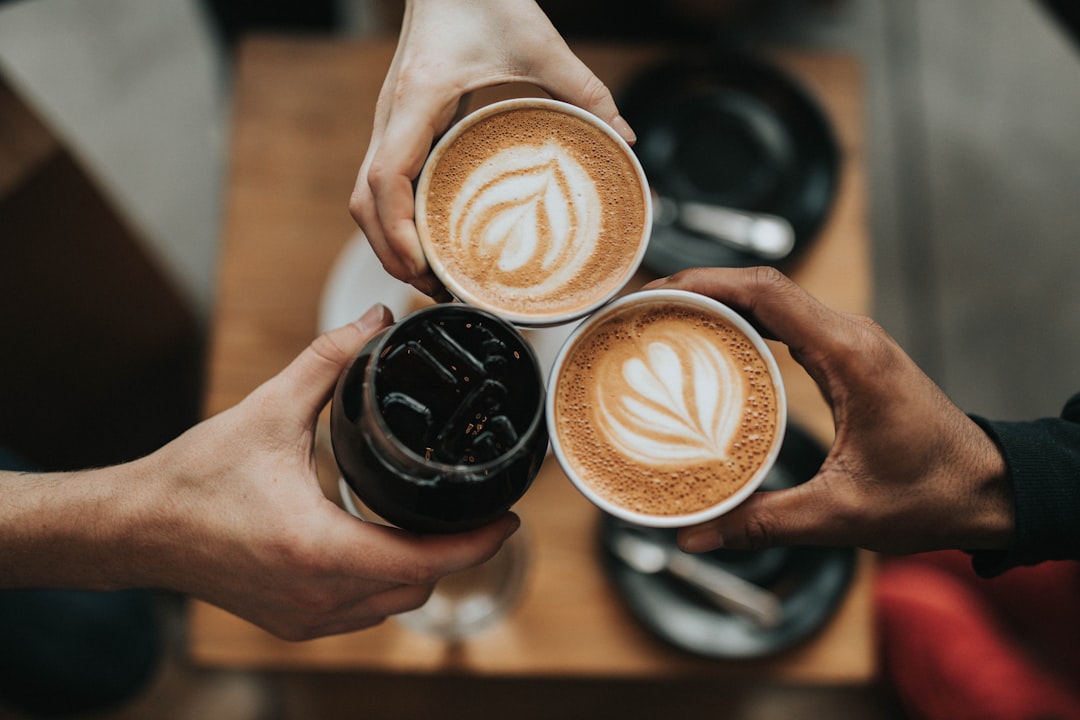
A spice merchant who'd operated the same dried fruit and nut stand for eighteen years finally closed in April. His nephew, who studied food science at Istanbul Technical University, promptly converted the space into a counter serving Turkish coffee prepared using methods documented from 18th-century Ottoman sources. He grinds beans by hand, controls water temperature precisely, and explains his process to anyone who stops. His coffee costs 45 lira—roughly triple what tourist-focused vendors charge. He's sold out before sunset most nights.
That single example captures where Balat's food scene is heading. The neighbourhood isn't becoming more upscale or gentrified in the conventional sense. Rather, it's shedding the idea that food is primarily a transaction designed to extract money from people passing through. Vendors are starting to see themselves as craftspeople with repeat customers, not transaction processors in a souk.
If you're planning to eat in Balat this summer, skip the most photographed corners. Head instead toward the residential blocks where locals actually live—the area east of Balat Caddesi toward Yavuz Sultan Selim Mosque. You'll find fewer English menu boards and significantly better food. The experiment isn't finished yet. Check back in two years.