Istanbul Nightlife Bars: A Guide to the City's Unique Bar Culture
Discover Istanbul's distinctive bar scene across the Bosphorus. From Beyoğlu's rooftop venues to Anatolian clubs, explore a nightlife culture defined by geography and contradiction.
Discover Istanbul's distinctive bar scene across the Bosphorus. From Beyoğlu's rooftop venues to Anatolian clubs, explore a nightlife culture defined by geography and contradiction.
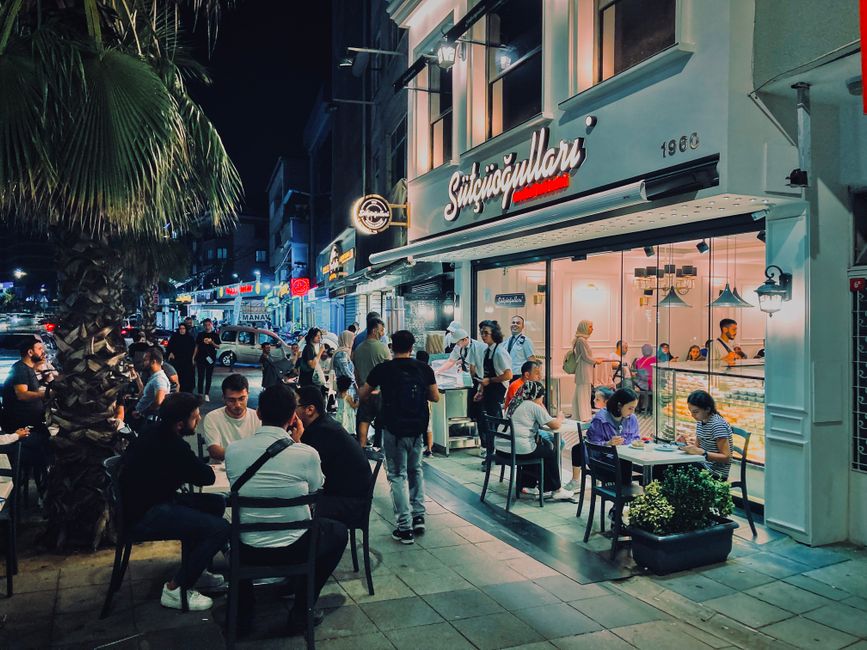
Most global cities follow predictable nightlife scripts: New York's rooftop lounges, Berlin's industrial clubs, Bangkok's neon-soaked beer gardens. Istanbul does something entirely different. Here, the bar scene isn't defined by a single aesthetic or philosophy—it's defined by contradiction, geography, and an unshakeable refusal to choose sides.
Take the physical reality first. Galata and Beyoğlu, Istanbul's traditional nightlife nerve centres, sit on the European shore of the Bosphorus, while the Anatolian side pulses with entirely different energy. A night out here often means crossing a bridge or hopping a ferry mid-evening, experiencing two distinct cities before 2 a.m. Few global capitals force—or allow—this kind of geographical schizophrenia. The result is a nightlife culture that's inherently expansive, never confined to one neighborhood's particular vibe.
The venues themselves embody this uniqueness. Istiklal Street's bars range from converted Ottoman mansions serving craft cocktails to hole-in-the-wall meyhanes where regulars have occupied the same wooden tables for decades. Prices reflect this democracy: a cocktail at a Nişantaşı rooftop bar runs 200-300 Turkish lira, while a generous glass of rakı with meze at a neighborhood meyhane costs half that. This price stratification exists elsewhere, but Istanbul's casual mingling across economic classes within the same quarter remains distinctive.
Then there's the temporal fluidity. While most cities have clear nightlife hours (10 p.m. to 4 a.m.), Istanbul's bar culture sprawls across a 12-hour continuum. Sunset rakı sessions on the Galata Bridge begin as early as 5 p.m., while underground clubs in Taksim keep going until well after sunrise. There's no shame in joining a crowd nursing drinks at 8 a.m.—it's simply another accepted rhythm in a city that never quite settles into a single temporal logic.
The cultural overlay matters too. Unlike cities shaped primarily by colonial history or industrial revolutions, Istanbul's bar scene exists in the shadow of Ottoman coffeehouse tradition and Islamic practice. This creates a unique cultural tension: Turkey's secular nightlife infrastructure exists in creative dialogue with religious considerations, producing venues and social norms that differ markedly from either purely secular Western cities or conservative Middle Eastern ones.
What ultimately distinguishes Istanbul is this: the nightlife doesn't apologize for its contradictions. A single evening might include a rooftop cocktail bar overlooking the Golden Horn, a ferry ride to the Anatolian side, a centuries-old meyhane session, and dawn coffee at a working-class breakfast spot. Few cities in the world offer this combination of geographic, temporal, cultural, and economic multiplicity without requiring a guidebook to navigate it successfully.
This article was compiled by AI from the sources linked above and screened before publishing. See our editorial standards.
How does this story make you feel?
Spread the word
About this article
Published by The Daily Istanbul
Daily brief
Free, in your inbox before 7am. Weekdays.
More in lifestyle