The Real Way Istanbullus Get Around: Tips and Honest Recommendations From Locals Who Live It Daily
Forget the guidebooks—here's how the city's commuters actually navigate the chaos, save money, and reclaim their sanity on congested routes.
Forget the guidebooks—here's how the city's commuters actually navigate the chaos, save money, and reclaim their sanity on congested routes.
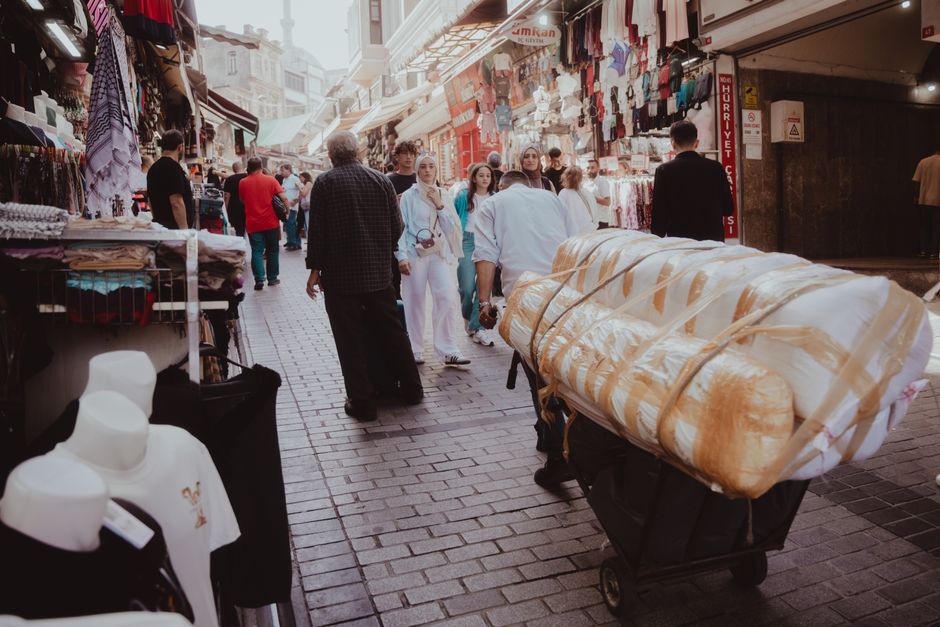
Ask any seasoned commuter in Beşiktaş or Kadıköy, and they'll tell you the same thing: getting around Istanbul requires equal parts strategy, patience, and a willingness to abandon preconceptions. The iconic ferries work beautifully—when you're not racing against 50,000 other passengers. The metro is efficient but perpetually packed. And taxis? Well, that's a conversation for another day.
The locals who've cracked the code tend to favour a hybrid approach. Regular commuters between the European and Asian sides swear by the off-peak ferry journeys, typically between 10am and 3pm. A 9 TL ticket across the Golden Horn becomes meditative rather than claustrophobic. The Eminönü-Kadıköy route remains iconic, but seasoned travellers suggest the less-celebrated Beşiktaş-Üsküdar crossing, which offers comparable views with marginally fewer crowds.
The metro—particularly the M2 and M6 lines—dominates weekday rush hour commutes, but locals recommend downloading the İETT app for real-time updates rather than relying on station announcements. A monthly pass costs around 430 TL and works across metro, bus, and tram networks. It's the unglamorous backbone of city movement. Bus routes through residential neighbourhoods like Nişantaşı or Bebek offer a more authentic view of daily life, even if schedules feel approximate.
What separates seasoned commuters from frustrated newcomers is acceptance of Istanbul's fundamental principle: flexibility beats rigidity. The dolmuş—shared minibus—remains underrated by tourists but is a daily lifeline for neighbourhood-to-neighbourhood trips. Flat rates (typically 12-15 TL depending on distance) and relative frequency make them efficient for shorter hops that would mean waiting for a bus or metro connection.
Cycling infrastructure has expanded significantly across Beyoğlu and around Taksim, though honest locals acknowledge the road culture remains unpredictable. E-scooters offer a tempting alternative for short distances, particularly around Kadıköy's waterfront or through Cihangir's quieter streets, though pavement etiquette remains contested.
The ultimate wisdom from daily commuters: embrace redundancy in your route options. Build in buffer time during summer months when tourist numbers spike. Download both the İETT and metro apps. Respect the ferry queues. Accept that occasionally, nothing works perfectly, and that's simply Istanbul's rhythm.
Getting around isn't about finding the fastest route—it's about finding the route that lets you arrive somewhere vaguely on time while maintaining your dignity.
This article was compiled by AI and screened before publishing. See our editorial standards.
How does this story make you feel?
Spread the word
About this article
Published by The Daily Istanbul
Daily brief
Free, in your inbox before 7am. Weekdays.
More in lifestyle