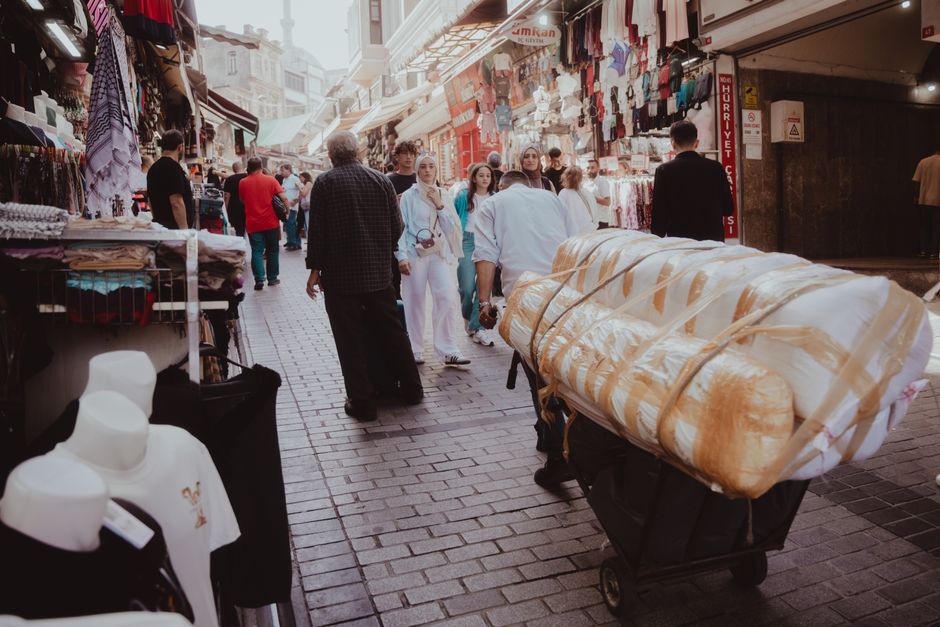
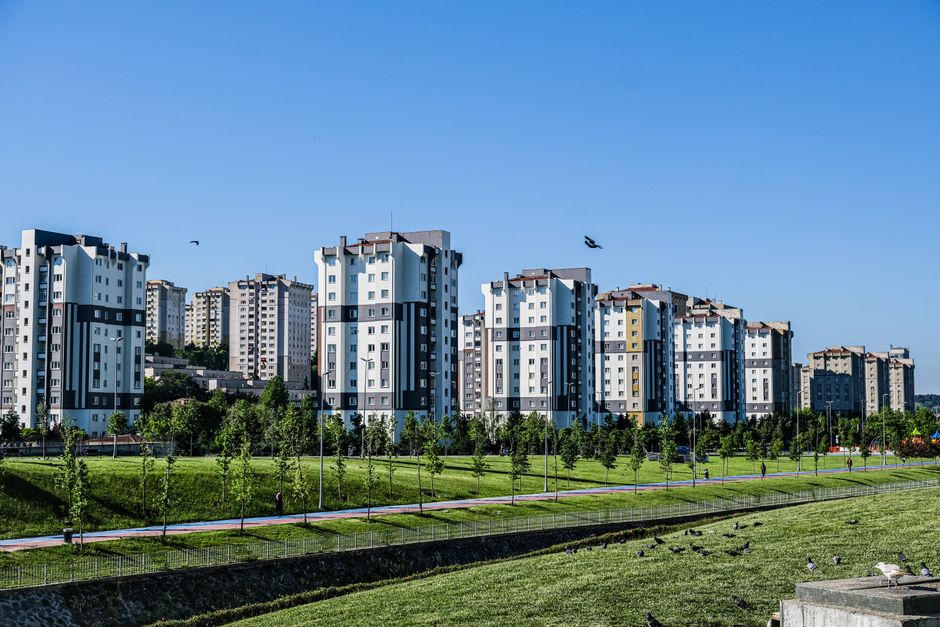
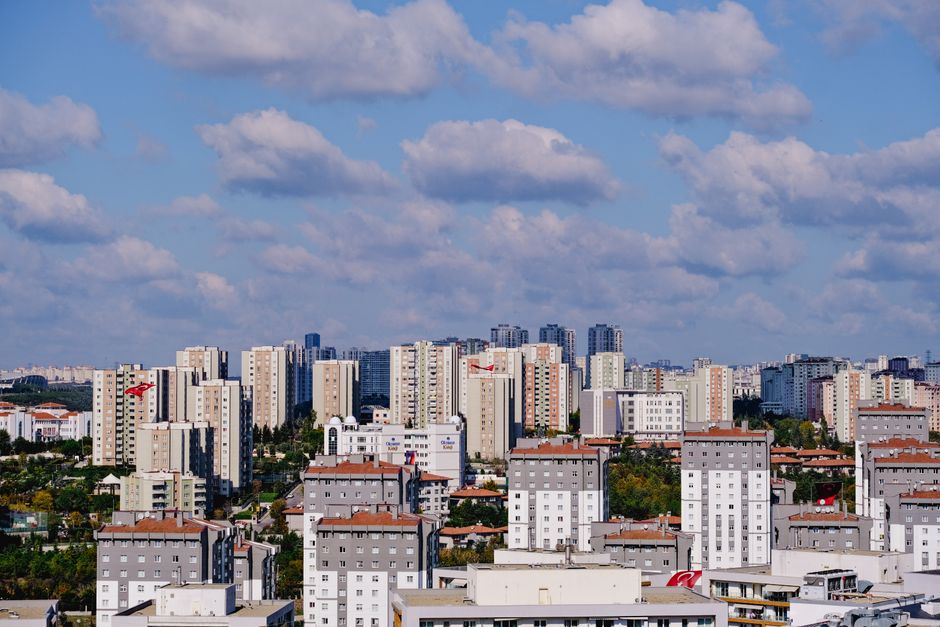
Five years ago, Beşiktaş was known as Istanbul's bohemian heartland—a place where students and artists clustered around Taksim, where nightlife defined the neighbourhood's rhythm. Today, the demographic picture has fundamentally shifted. Young families with school-age children are now the neighbourhood's fastest-growing demographic, transforming everything from retail offerings along Barbaros Boulevard to how parents approach education itself.
The numbers tell the story. International school enrolment in the Beşiktaş-Ortaköy corridor has grown 34% since 2023, according to Istanbul's private education association. Families are no longer defaulting to established international schools in Bebek or Levent; instead, they're choosing smaller, boutique institutions within Beşiktaş proper—places offering bilingual Turkish-English curricula and flexible scheduling that suits working parents juggling global schedules.
This shift has spawned a completely new ecosystem. The tree-lined streets around Nispetiye Caddesi now host specialty shops catering to young families: organic baby food markets, second-hand children's clothing exchanges, and parent co-op learning spaces. A parents' WhatsApp network here rivals some corporate organisational structures, with members coordinating everything from school carpools to weekend hiking trips up to Pierre Loti.
But the evolution cuts deeper than commerce. The parenting philosophy itself has changed. Where previous generations of Istanbul families adhered to more formal, hierarchical approaches to education, today's Beşiktaş parents—many of them international professionals or returnees from abroad—are championing Montessori methods, outdoor learning, and multilingual upbringings. Several independent educators have set up micro-schools in residential buildings, offering personalised attention to groups of 8-12 children.
Real estate prices have responded accordingly. Family-friendly three-bedroom apartments in central Beşiktaş now command 18-22 million Turkish lira, up nearly 40% in two years. Landlords have noticed: conversions of old commercial spaces into family-oriented venues—bookshops with play areas, cafés with children's activity zones—have accelerated dramatically.
Not everyone celebrates the transformation. Long-time residents lament the loss of Beşiktaş's artistic edge, pointing to rising rents that have pushed out independent galleries and music venues. Yet the neighbourhood council's latest survey suggests 62% of residents view the changes positively, citing improved street safety, better maintenance, and a genuine sense of community among families.
As schools break for summer, the real test begins: can Beşiktaş balance its evolving identity as a family destination while preserving the creative spirit that defined it for decades?
This article was compiled by AI from the sources linked above and screened before publishing. See our editorial standards.