Istanbul Shopping Markets: Grand Bazaar to Modern Districts
Discover Istanbul's unique shopping culture—from the Grand Bazaar's 4,000 vendors across 66 streets to Nişantaşı's designer boutiques. Learn haggling traditions and retail secrets.
Discover Istanbul's unique shopping culture—from the Grand Bazaar's 4,000 vendors across 66 streets to Nişantaşı's designer boutiques. Learn haggling traditions and retail secrets.
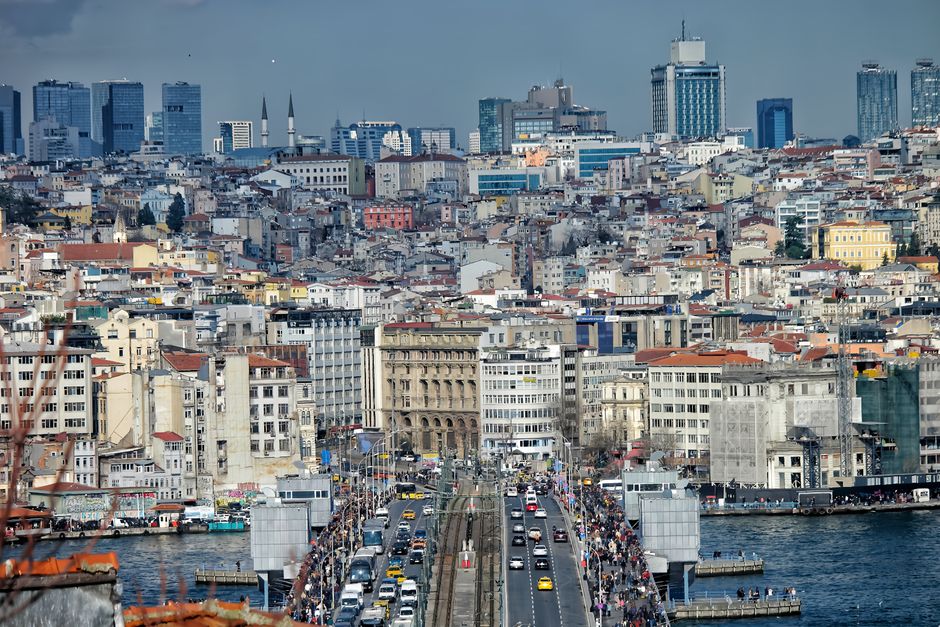
Walk into any major shopping district worldwide—London's Oxford Street, New York's Fifth Avenue, Dubai's Mall of the Emirates—and you'll encounter a familiar pattern: international chains, uniform pricing, and a homogenised consumer experience. Istanbul shatters this formula entirely.
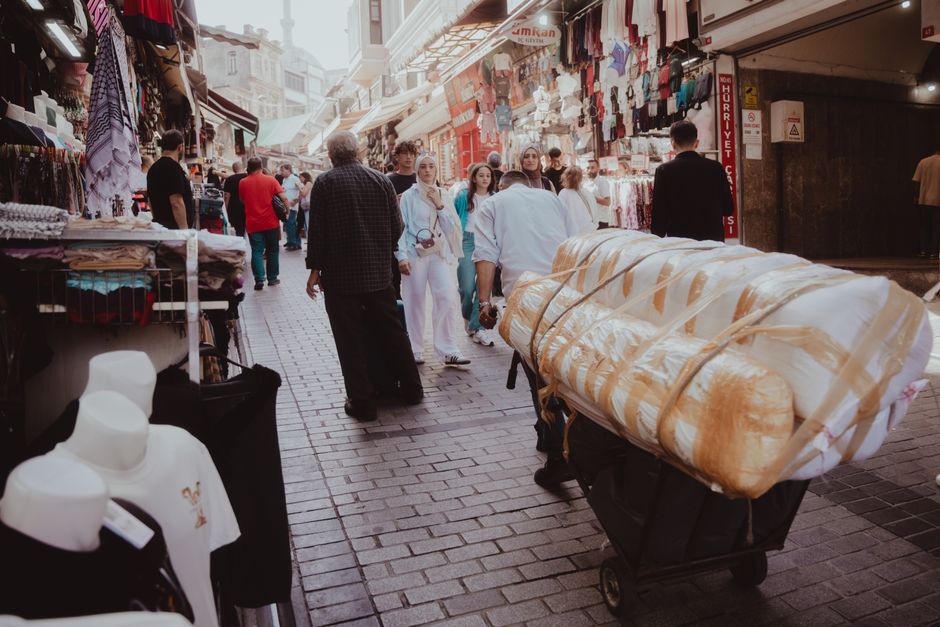
The Grand Bazaar, or Kapalı Çarşı, remains the world's largest covered market by number of shops, with approximately 4,000 vendors operating across 66 streets and 22 gates. What distinguishes it from other historic markets isn't merely scale. It's the embedded tradition of haggling—a negotiation ritual absent from most contemporary shopping spaces. A carpet priced at ₺45,000 might settle at ₺32,000 after chai and conversation. This isn't inefficiency; it's cultural infrastructure that shapes how Istanbulites approach value and human connection.
Meanwhile, Nişantaşı—the neighbourhood stretching from Teşvikiye to Rumeli Caddesi—operates as Istanbul's answer to Milan's Quadrilatero d'Oro. Yet local designers like Dice Kayek and İpekyol maintain showrooms alongside global luxury houses. Turkish craftsmanship commands premium pricing here, but authenticity isn't sacrificed for international appeal. A silk scarf from a Turkish atelier costs differently than the same item from a global fast-fashion retailer—the difference is traceable to hands and heritage.
Balat's vintage and independent boutique scene, concentrated along Balat Caddesi and surrounding alleys, reveals another distinction. While vintage shopping has globalised, Istanbul's second-hand economy stems from genuine economic layering across neighbourhoods and generations. You'll find 1970s Benetton pieces hanging beside Ottoman textile fragments, each with provenance rooted in the city's migration patterns and material history.
The Spice Bazaar, or Mısır Çarşısı, operates differently too. Though it caters to tourists, its wholesale function remains primary—local restaurants and households source saffron, sumac, and dried herbs here daily. Prices fluctuate with agricultural seasons and trade routes spanning Central Asia and the Levant. You won't find this dynamic transparency in packaged spice aisles elsewhere.
What ultimately distinguishes Istanbul's retail landscape is integration rather than separation. A shopper moves from the Grand Bazaar's medieval streets to Istiklal Caddesi's pedestrian mall to Nişantaşı's galleries, experiencing not compartmentalised commerce but a continuum reflecting the city's layered history. Each district retains its economic logic rather than conforming to global shopping homogeneity. That resistance to standardisation—rooted in geography, tradition, and commerce—makes Istanbul's markets fundamentally unreplicable elsewhere.
This article was compiled by AI from the sources linked above and screened before publishing. See our editorial standards.
How does this story make you feel?
Spread the word
About this article
Published by The Daily Istanbul
Daily brief
Free, in your inbox before 7am. Weekdays.
More in lifestyle