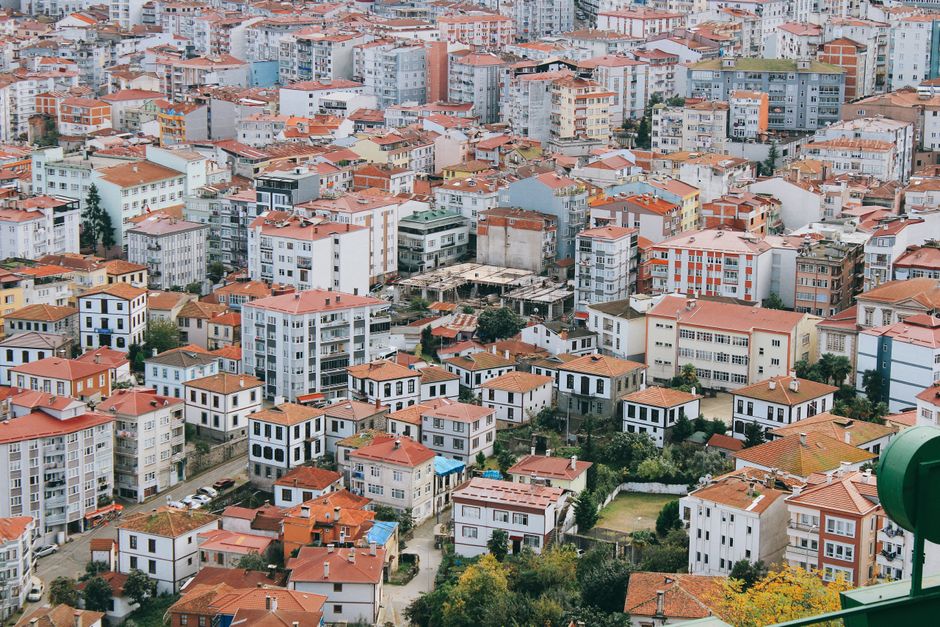
Walk through Balat on a Saturday morning and you'll notice something that wasn't there two years ago: queues outside independent boutiques. The narrow, ochre-coloured streets that have defined this Fener neighbourhood for centuries are bustling again, but not because of Instagram tourism. Local shoppers—young professionals, families, design enthusiasts—are actively choosing small retailers over the sprawling shopping malls that dominated Istanbul's consumer landscape for the past two decades.
The shift reflects a broader transformation reshaping how Istanbulites shop. After the economic pressures of 2023-24, retailers adapted. Many neighbourhood shops reduced overhead by moving to smaller storefronts or sharing spaces, which paradoxically made shopping more intimate and affordable. A vintage leather jacket that once cost 2,500 lira at a Sisli mall boutique now runs 1,200 lira at a family-run shop on Kütüphaneli Caddesi. Quality hasn't declined—sourcing has simply become leaner.
Technology played an unexpected role in this revival. The Grand Bazaar, Istanbul's 500-year-old commercial heart, launched a digital directory and payment integration system in late 2025. Vendors now accept digital wallets seamlessly, and customers can reserve items via QR codes. This modernisation paradoxically made the bazaar feel less intimidating to younger shoppers who had previously avoided it. Visitor footfall increased by an estimated 18 percent year-on-year among under-35s, according to local business associations.
Neighbourhood markets are experiencing similar tech-enabled revival. Beşiktaş Friday market traders now coordinate inventory through a shared app, reducing duplicate stock and keeping prices competitive. The Galata district has seen three new design-focused retail collectives open since January, grouping jewellers, textile artists, and ceramicists under single roofs—part lifestyle experience, part shopping hub.
What locals genuinely love now is proximity and personality. Cihangir's independent bookshops and record stores have become meeting points rather than mere transaction spaces. The Nisantasi Avenue boutiques have shifted from high-turnover fashion to curated, limited collections that reflect owner taste rather than seasonal trends. One interior designer noted that shopping locally now feels less transactional and more like discovering what your neighbourhood actually values.
The economics favour this shift too. Rent for small retail spaces in secondary locations like Ortaköy or Akaretler has stabilised after years of inflation, making independent retail viable again. Meanwhile, large mall operators are consolidating, offering smaller operators the chance to reclaim street-level retail spaces across the city.
As Istanbul's shopping culture quietly reorients toward neighbourhood retail, locals aren't simply shopping differently—they're rebuilding the social infrastructure that made shopping matter beyond consumption.
This article was compiled by AI from the sources linked above and screened before publishing. See our editorial standards.