Istanbul's Beyoğlu Transforms Into Tech Hub as Digital Nomads Arrive
Remote work boom drives rising rents and new co-working spaces, reshaping the historic neighbourhood's bohemian character for expat residents.
Remote work boom drives rising rents and new co-working spaces, reshaping the historic neighbourhood's bohemian character for expat residents.
Three years ago, Beyoğlu was the playground of artists and budget travellers. Today, it's increasingly the address of choice for international remote workers, and the neighbourhood is changing faster than many recent arrivals anticipated. Co-working spaces have proliferated along İstiklal Caddesi and its surrounding streets, while residential rent increases have begun pricing out the very creative communities that made the area attractive.
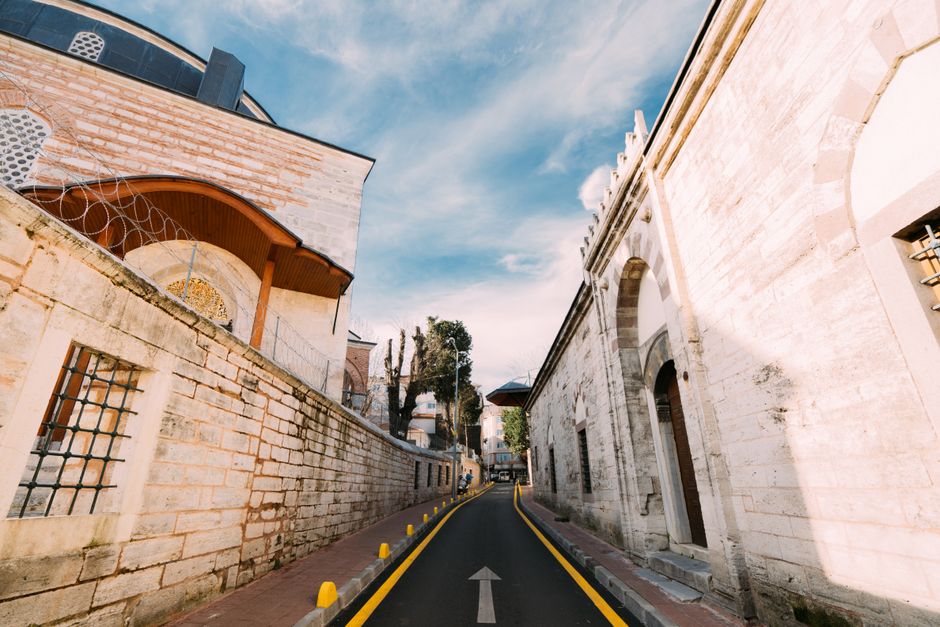
The shift is undeniable. Since 2024, at least seven dedicated co-working facilities have opened within walking distance of Tünel, with monthly desk rentals ranging from 3,500 to 8,500 Turkish Lira. Spaces like those clustered around Galata Tower now offer the video conferencing infrastructure and high-speed internet that remote professionals expect, filling a gap that cafés previously provided. Meanwhile, one-bedroom apartments in the heart of Beyoğlu that rented for 15,000 lira two years ago now command 24,000-28,000 lira, according to local property agents.
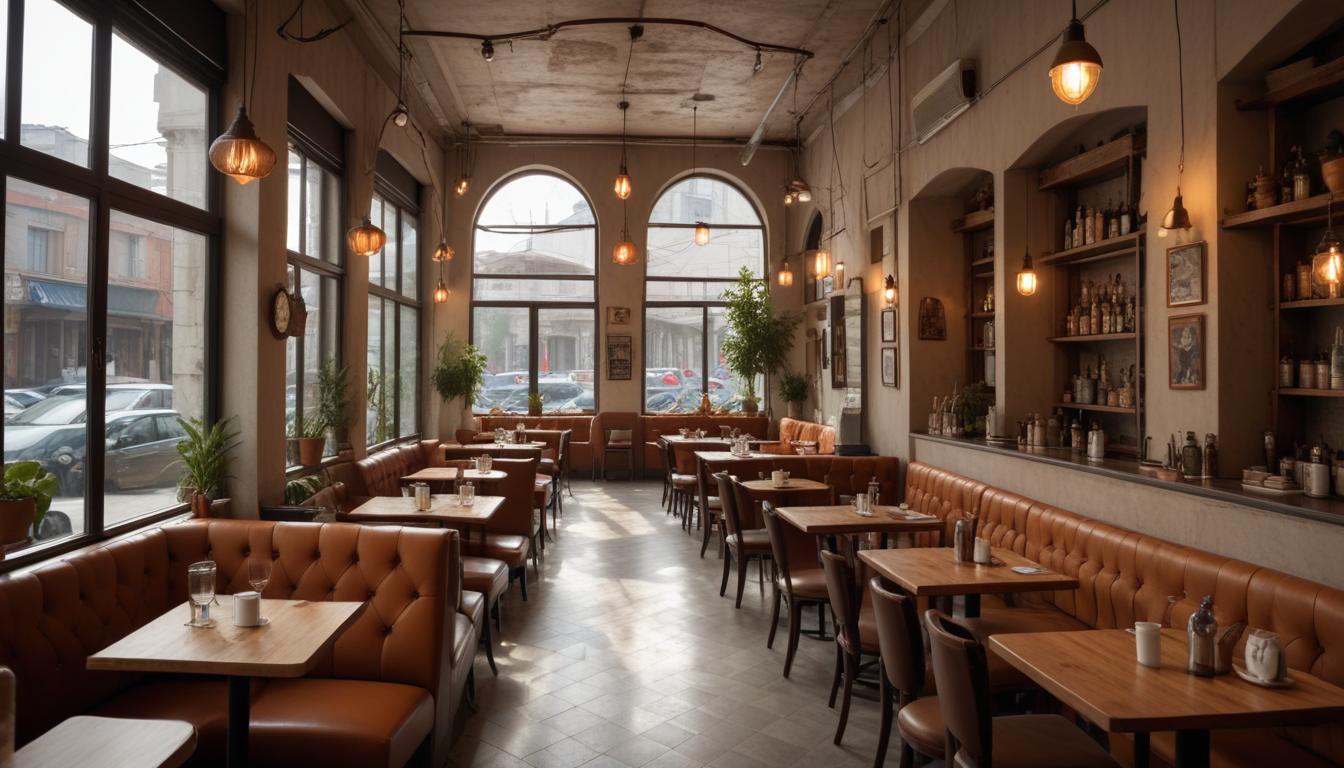
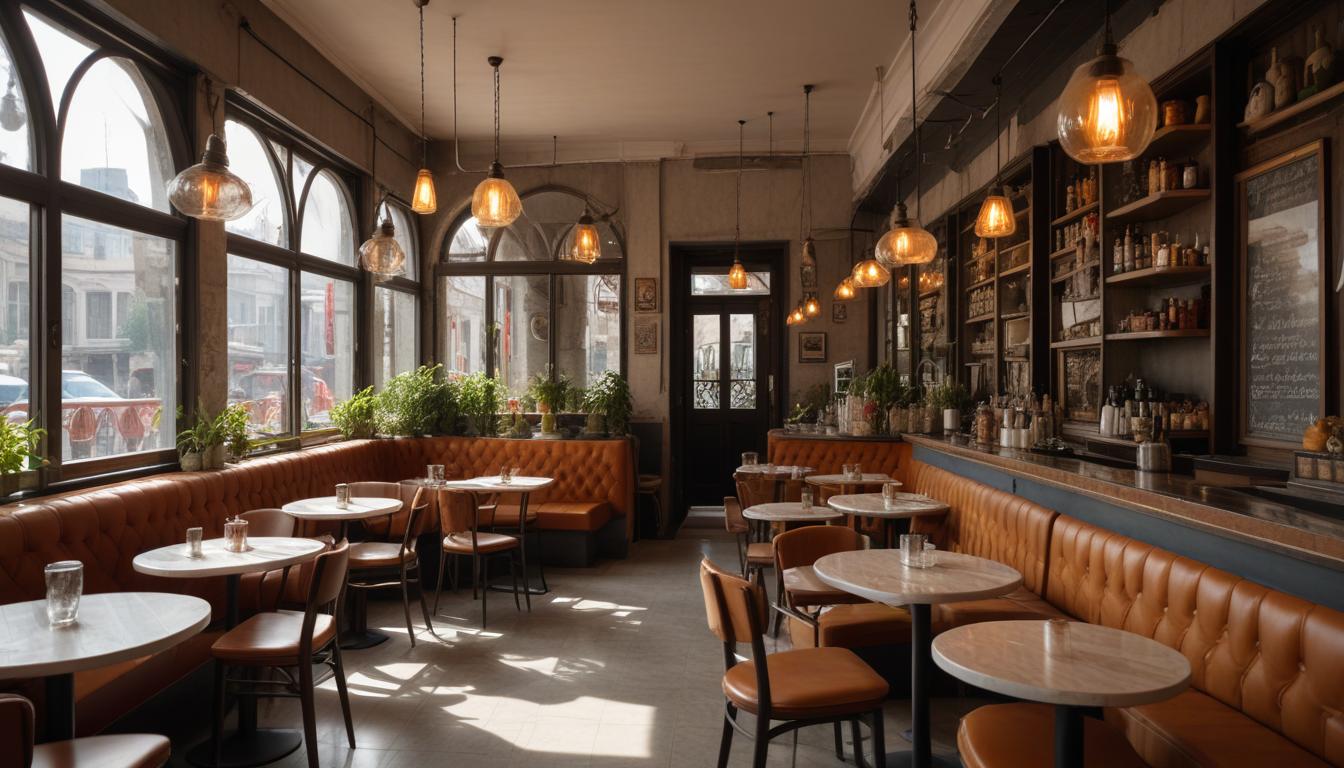
For newly arrived expats, this evolution cuts both ways. The infrastructure has improved dramatically. English-speaking dentists, accountants, and administrative services have clustered around Çihangir and lower Beyoğlu to serve the influx of foreign residents. Café culture has matured—spots along Boğazkesen Caddesi now serve specialty coffee and reliable WiFi rather than Turkish tea and tolerance for poor connectivity. Networking opportunities have proliferated, with regular meetups and professional events replacing the more ad-hoc social gatherings of previous years.
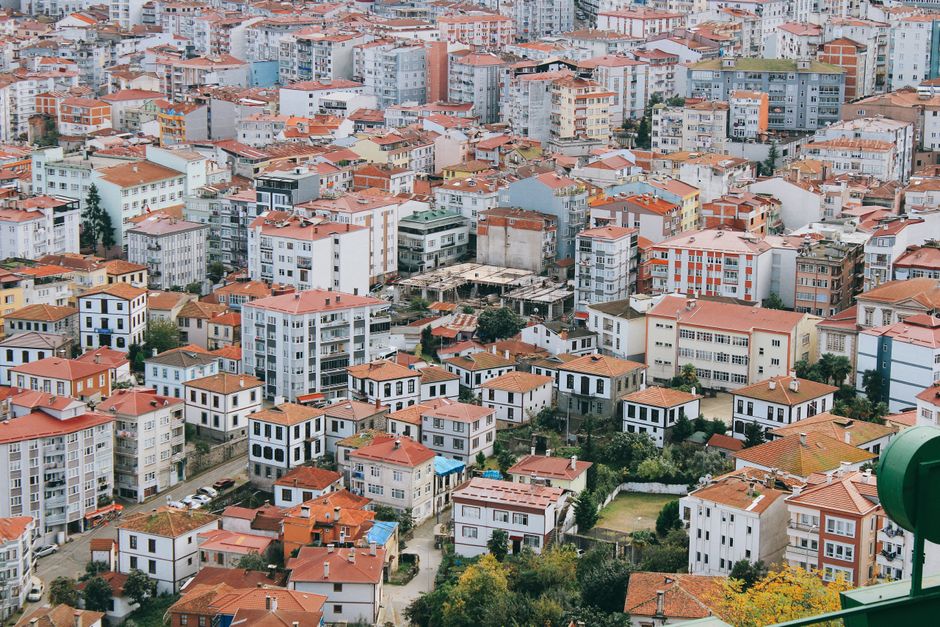
Yet established expat communities report a certain homogenization. The neighbourhood's character is shifting from eclectic artist hub towards a more corporate-adjacent environment. Small independent venues have closed as landlords capitalise on rising property values. The expat community itself has become more stratified—successful tech workers and established professionals increasingly populate renovated Galata townhouses, while younger freelancers migrate further afield to cheaper neighbourhoods like Şişli or Kadıköy.
For newcomers arriving in 2026, the practical advice differs from what someone relocating five years ago would have received. Budget accordingly: plan for 25,000+ lira monthly rent if you want central Beyoğlu, and expect co-working to cost more than informal café arrangements. But also recognise the improved professional ecosystem. Turkish bureaucratic processes—visa extensions, work permits, tax registration—are better navigated through the growing network of relocation consultants now operating from offices throughout the neighbourhood.
Beyoğlu remains compelling for expats, but it's no longer an affordable secret. It's become what many global cities eventually do: organised, professional, and significantly more expensive than it was before everyone realised how good it was.
This article was compiled by AI from the sources linked above and screened before publishing. See our editorial standards.
How does this story make you feel?
Spread the word
About this article
Published by The Daily Istanbul
Daily brief
Free, in your inbox before 7am. Weekdays.
More in lifestyle