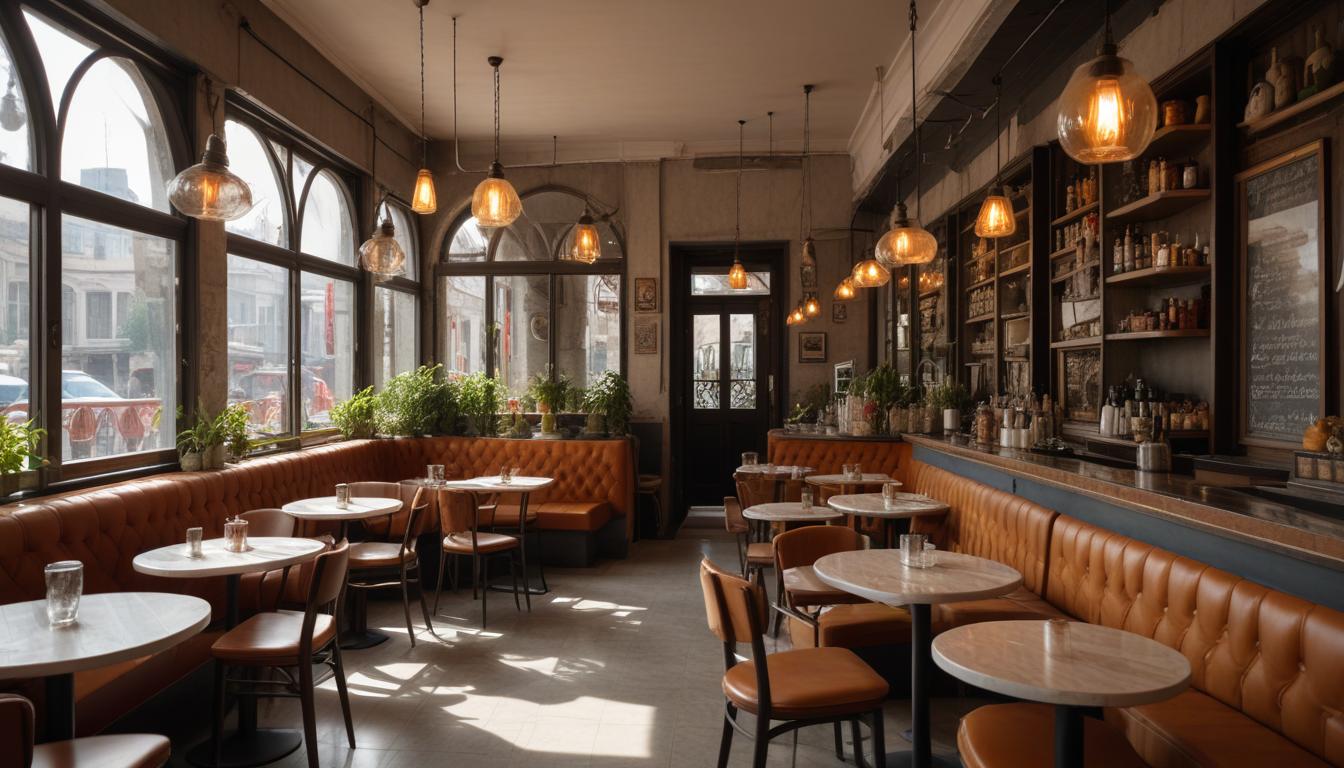
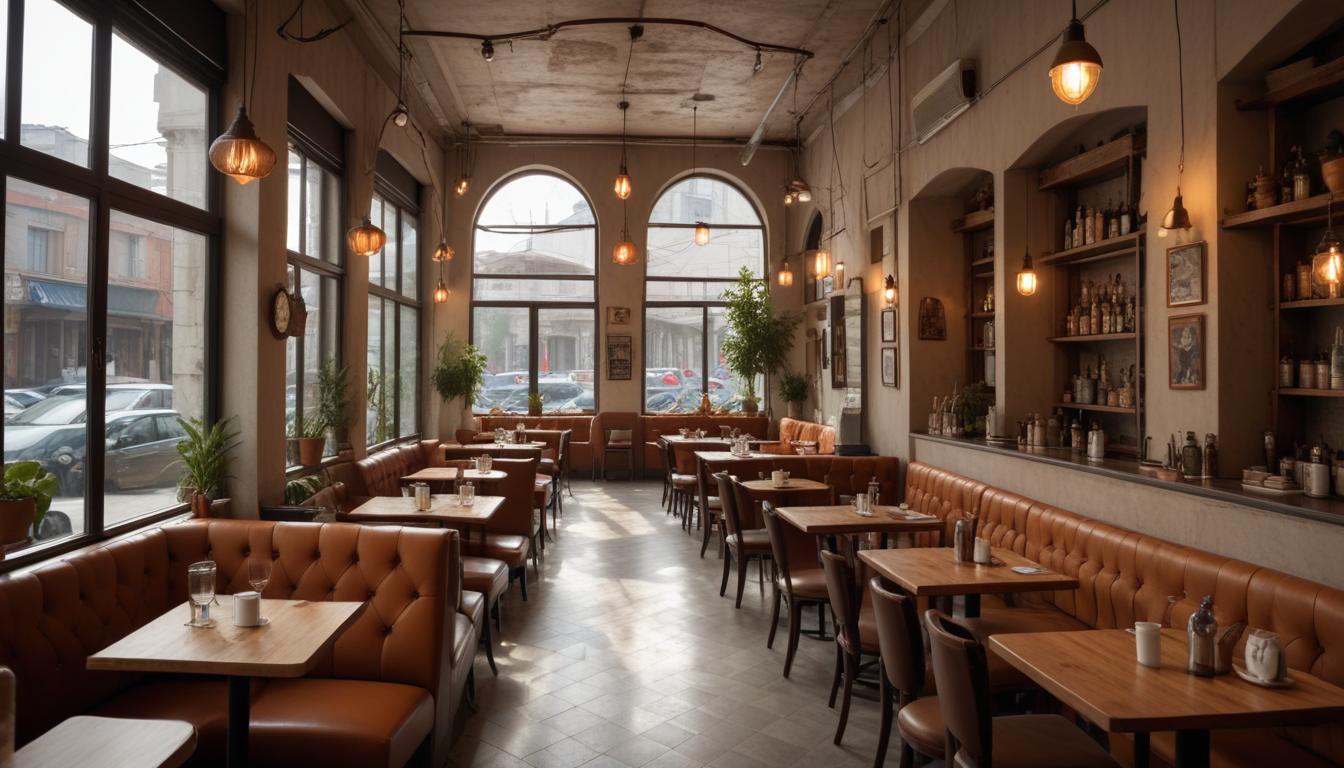
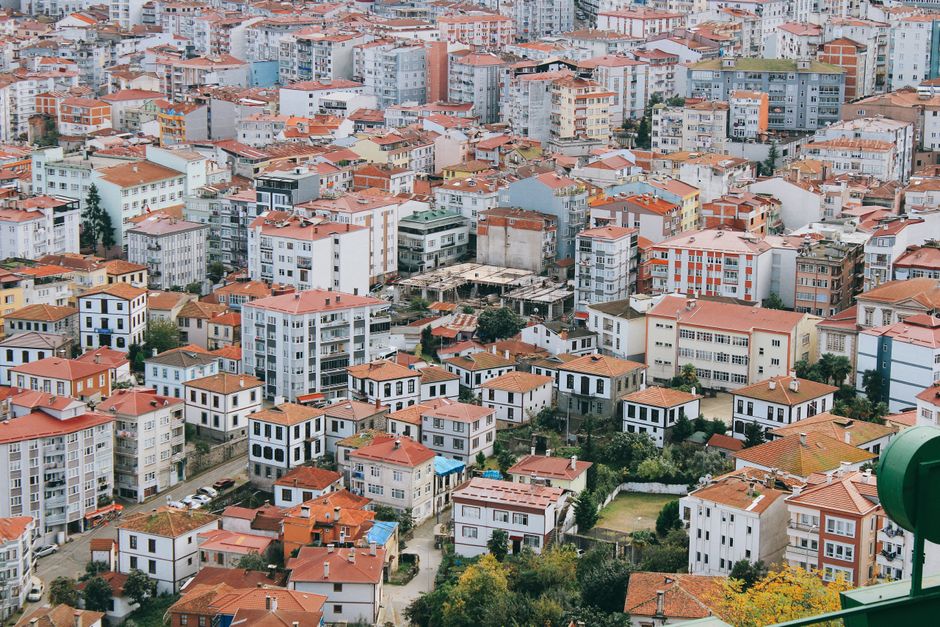
Walk down İstiklal Caddesi on a weekday morning in 2026, and you'll notice something that would have seemed unthinkable a decade ago: pushchairs. Lots of them. Beyoğlu, Istanbul's most famously freewheeling district, is quietly undergoing a demographic shift that's reshaping everything from real estate values to retail offerings.
The transformation began around 2023, when rising rental costs in traditional family neighbourhoods like Beşiktaş and Şişli pushed young professionals with children towards Beyoğlu's more affordable stock of converted Ottoman buildings. Today, parents are actively choosing the district, drawn by its walkability, cultural institutions, and what many describe as a "managed bohemian" lifestyle—creative but with curfews.
The numbers tell the story. Enrollment at Beyoğlu's independent schools has grown by approximately 34% since 2024, according to district education officials. Establishments like the Galata Montessori Academy and several smaller pedagogically-progressive schools now operate at near-capacity. Meanwhile, franchised international schools previously concentrated in European-side suburbs are opening satellite campuses along Cihangir's quieter streets.
Infrastructure is adapting accordingly. The pedestrianised section of Akarsu Caddesi, once dominated by vintage record shops and craft breweries, now features a children's library run by the Istanbul Metropolitan Municipality, opened last autumn. Nearby, wellness centres offering prenatal classes and postnatal care have replaced at least three late-night bars along Nevizade Sokak.
Parents describe a shift in neighbourhood identity. "Five years ago, my friends thought I was mad raising a toddler here," says one longtime resident. "Now there are three playgrounds being renovated within walking distance, and the local grocers stock organic baby food."
Not everyone welcomes the change. Cultural venue operators worry about noise complaints and shortened opening hours. Property developers, sensing opportunity, have submitted plans for three family-oriented residential projects, raising concerns about overdevelopment and gentrification acceleration.
Yet Beyoğlu's transformation reflects broader Istanbul dynamics: demographic pressures, changing work patterns (remote work making central locations more desirable), and a generation of parents seeking urban living without suburban isolation. The district's famous artistic heritage—its galleries, bookshops, and music venues—remains intact, now simply sharing space with nurseries and parent-and-baby fitness classes.
Whether this evolution strengthens Beyoğlu's cultural character or dilutes it remains debated. What's certain: the neighbourhood's identity is no longer defined solely by nightfall.
This article was compiled by AI from the sources linked above and screened before publishing. See our editorial standards.