Green Sanctuaries: The Faces Keeping Istanbul's Parks Alive
From Gülhane to Yıldız, the gardeners, artists and communities tending Istanbul's beloved green spaces reveal how public parks become the heart of neighbourhood life.
From Gülhane to Yıldız, the gardeners, artists and communities tending Istanbul's beloved green spaces reveal how public parks become the heart of neighbourhood life.
On a humid June morning in Gülhane Park, an elderly man methodically waters the rose beds near the Topkapi Palace gates. His name is Mehmet—he won't say his surname—and he's been doing this for thirty-seven years. "The park remembers everyone," he says simply, his weathered hands knowing precisely which sections of the sprawling 55-hectare garden need attention before the summer crowds arrive. Mehmet represents something invisible but essential: the stewards who transform Istanbul's parks from mere green space into living community institutions.
Istanbul's outdoor renaissance has accelerated dramatically. Municipal investment in park infrastructure reached 340 million lira last year, yet the real story isn't budget lines—it's the people who've made these spaces irreplaceable. In Yıldız Park's northwestern corner, a collective of artists and urban gardeners operates an informal workshop where residents learn sustainable growing practices. No official designation, no website. Word travels through Beşiktaş's tight-knit communities about when they gather.
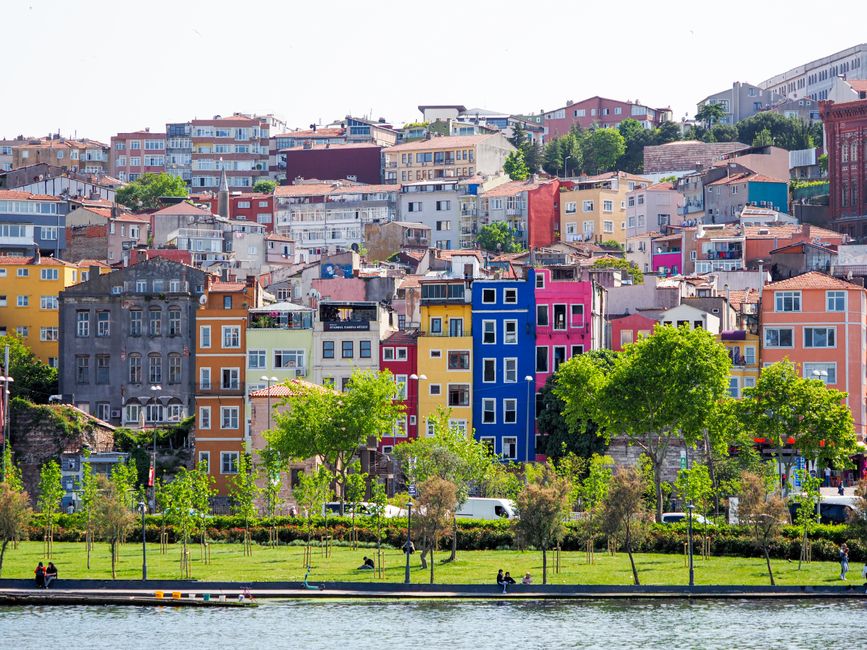
Across the Golden Horn in Balat, the recently revitalised Ayvansaray waterfront has become a canvas for neighbourhood identity. Street vendors, musicians, and families have claimed the space organically, transforming what was once neglected concrete into a functioning public commons. A woman who manages one of the informal tea stalls there—she prefers anonymity—explains that the park isn't crowded like Taksim; "it's ours," she says. "The people here know each other's stories."
The statistics tell one narrative: Istanbul has approximately 190 public parks and green areas totalling over 8,000 hectares. But numbers obscure the real ecosystem. Kadıköy's Kalamış Park has become a gathering point for runners, chess players, and artists collaborating on murals. Emirgan Park's seasonal tulip festival draws half a million visitors, yet its sustained vitality depends on ground-level stewardship—groundskeepers, local gardeners, and community groups maintaining the space between celebrations.
The city's young urban farmers are rewriting the park narrative too. Community gardens sprouting in neighbourhoods like Kuzguncuk introduce schoolchildren to cultivation while fostering genuine intergenerational connections. These aren't Instagram-friendly installations; they're working spaces where vegetables grow and relationships deepen.
As Istanbul grapples with density and development pressure, these parks and their invisible protectors offer something increasingly precious: unguarded time, shared air, and the chance for strangers to become neighbours. The real wealth of Istanbul's green spaces isn't measured in hectares but in the accumulated knowledge, care, and presence of ordinary people who show up, day after day, to tend them.
This article was compiled by AI from the sources linked above and screened before publishing. See our editorial standards.
How does this story make you feel?
Spread the word
About this article
Published by The Daily Istanbul
Daily brief
Free, in your inbox before 7am. Weekdays.
More in lifestyle