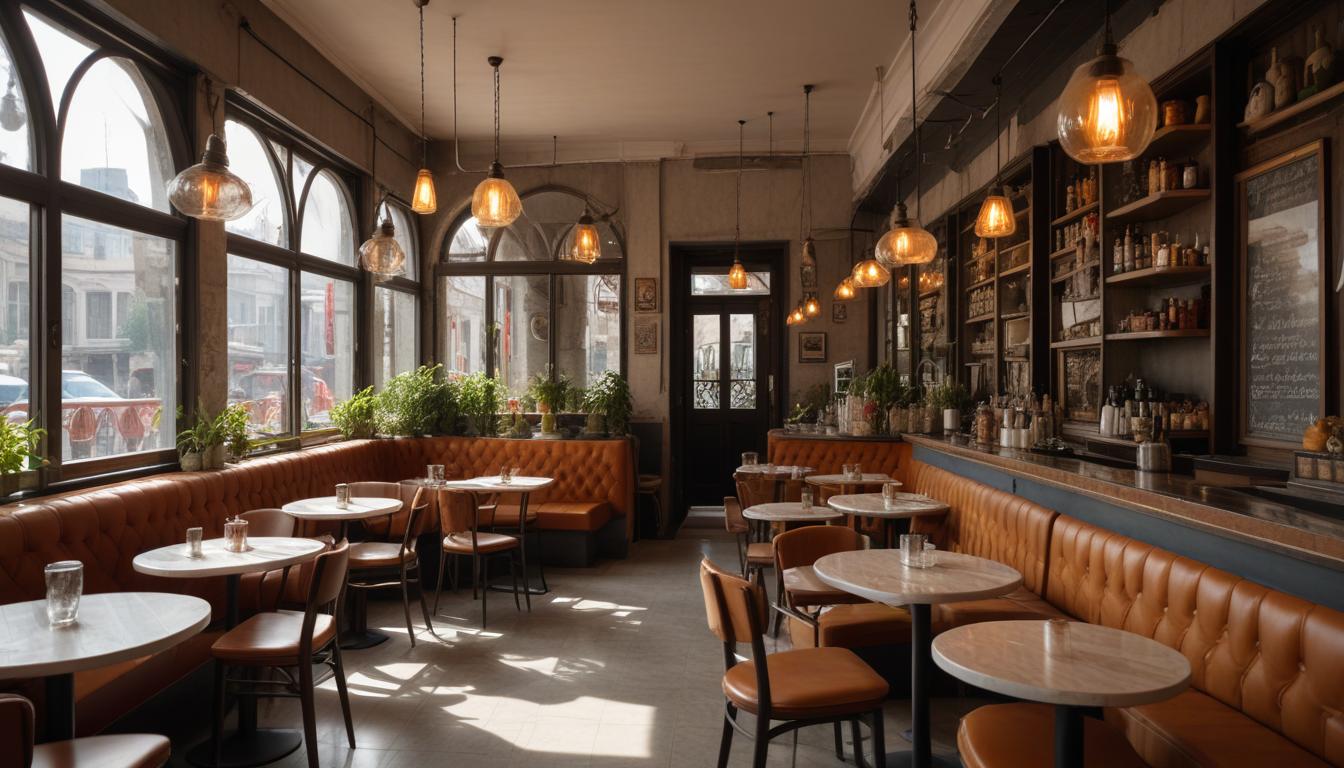
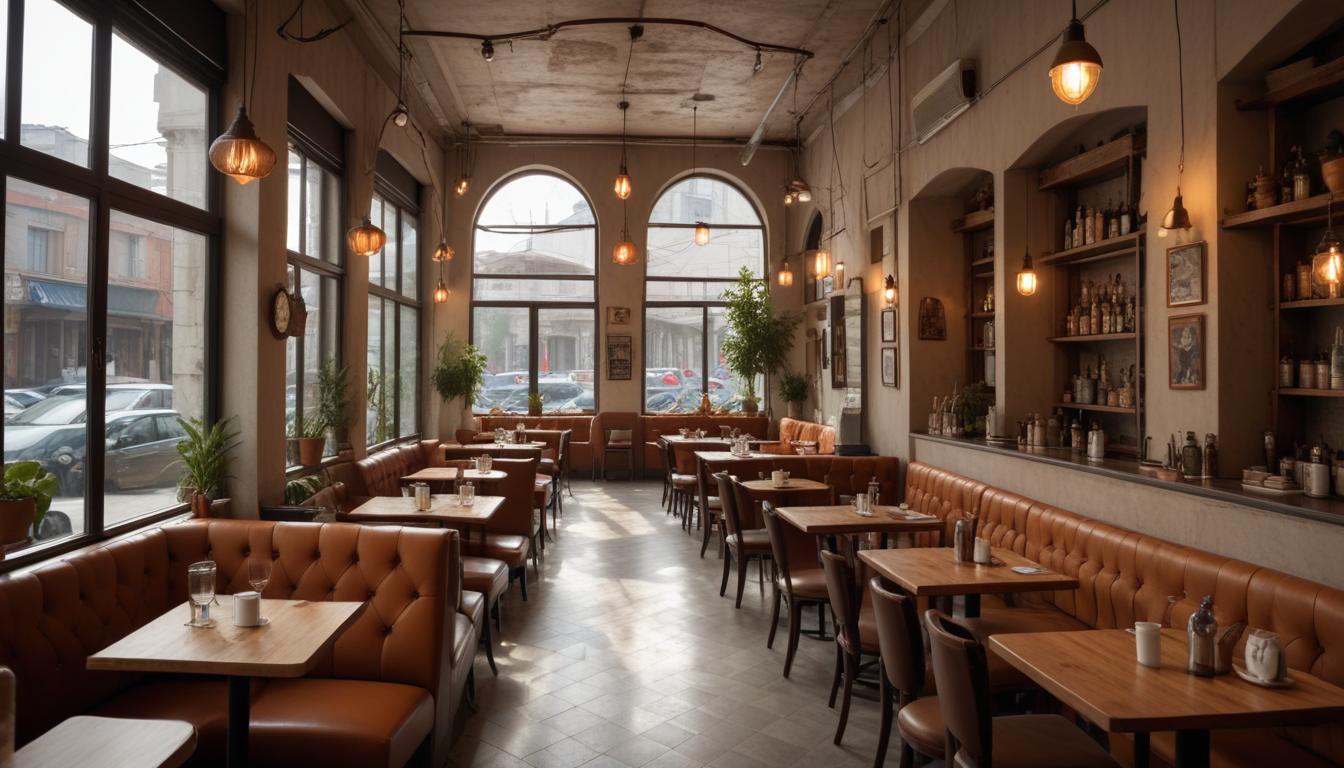
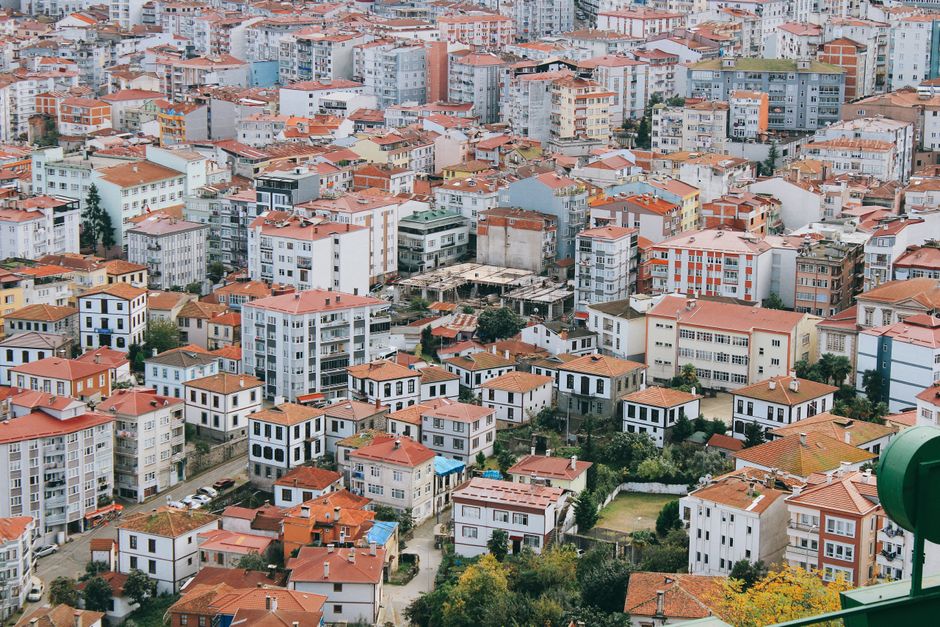
Walk along Cihangir's narrow lanes on a Tuesday afternoon and you'll spot them: clusters of parents perched on café steps while children chase each other past centuries-old wooden mansions. This isn't accidental community—it's the backbone of how families navigate parenting in Istanbul's most intricately woven neighbourhoods.
Cihangir has emerged as the city's de facto creative-parent hub, where young families fleeing the chaos of Central Business District living settle into a texture of organic grocers, independent bookshops, and ateliers. The area's character hinges on this blend: residents speak of a "village mentality within the megacity." School runs along Akarsu Caddesi have become social infrastructure themselves, with informal parent networks coordinating everything from shared tutors to weekend nature trips up the Bosphorus.
Yet the neighbourhood tapestry varies dramatically across districts. In Bebek, affluence shapes a different community rhythm. Here, waterfront living near the Bosphorus Strait brings families together through yacht clubs and seaside parks, where children of diplomats and business elites attend prestigious international schools—fees ranging from 80,000 to 150,000 Turkish lira annually. The neighbourhood's character centres on exclusivity softened by genuine cosmopolitanism.
Meanwhile, in Kadıköy—the Asian side's cultural heart—working and middle-class families have built something distinct: a fiercely local, arts-focused identity. Parent collectives here operate independently-run cooperative schools and community art centres. Streets like Bahariye Caddesi pulse with family-owned restaurants, weekend bookfairs, and open-air markets where parenting feels embedded in the city's democratic pulse rather than separated from it.
What distinguishes Istanbul's approach to family life is how profoundly neighbourhood identity shapes childhood experience. Unlike some global cities where parents commute from residential suburbs, Istanbul's families live within their communities' cultural centres. A child in Cihangir grows up amid artistic experimentation; one in Bebek, amid international networks; one in Kadıköy, amid grassroots cultural production.
School selection itself becomes a neighbourhood statement. Prestigious institutions like Koç School and Robert College draw families citywide, but increasingly, parents seek schools embedded in their chosen neighbourhoods—places where children's peer groups reflect local values rather than cross-city hierarchies.
The challenge intensifies yearly: rapid gentrification threatens these distinct characters. Cihangir rents have climbed 40 percent in three years. Yet parents here remain committed to preserving what makes their streets irreplaceable—not pristine urban design, but the living, breathing community infrastructure where raising children happens publicly, collectively, and deeply rooted in place.
This article was compiled by AI from the sources linked above and screened before publishing. See our editorial standards.